
Why Predictive Maintenance Is Becoming the Future of Ship Management
Discover how predictive maintenance is helping shipowners reduce breakdowns, improve safety, lower maintenance costs, and increase vessel reliability.
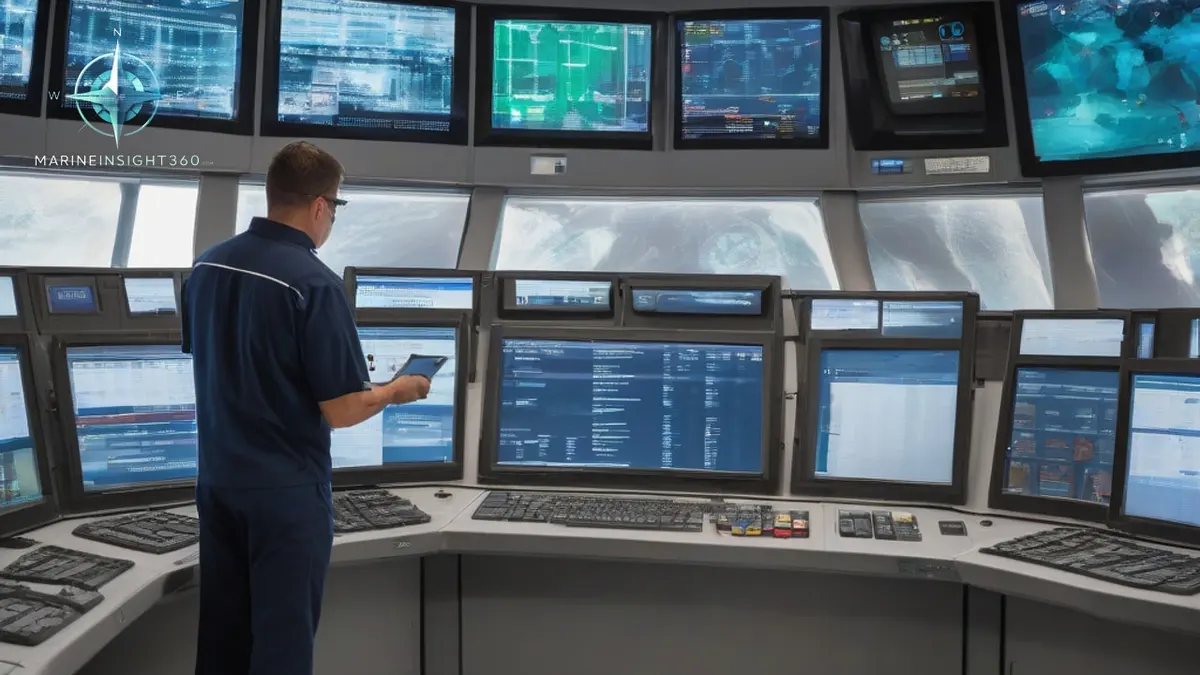
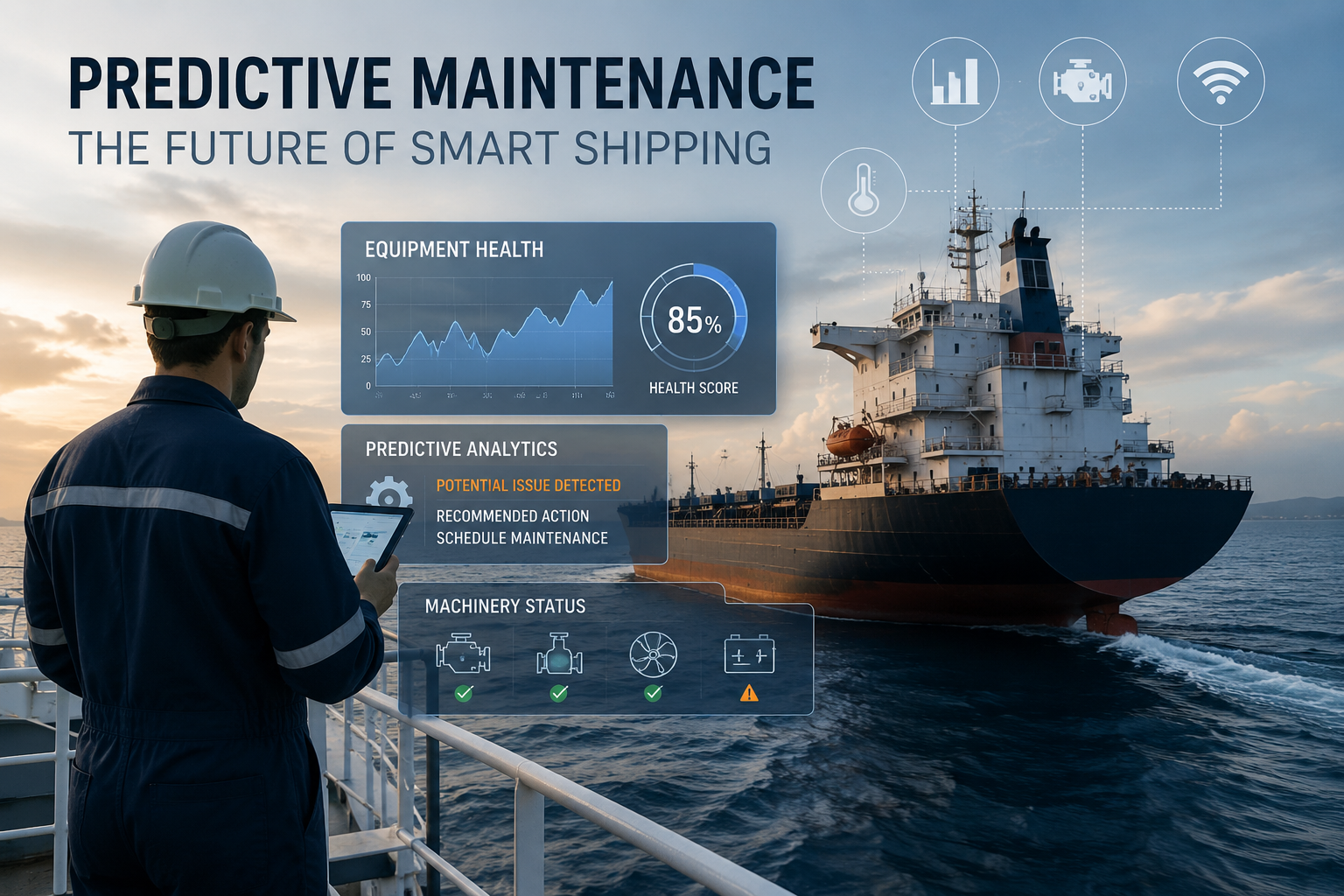
Predictive maintenance is becoming the future of ship management because sensor data and AI analytics forecast machinery failures early, letting engineers plan repairs in port instead of waiting for a breakdown at sea.
Predictive maintenance replaces “fix‑after‑failure” and “fixed‑interval” methods
Instead of waiting for a pump to seize or following a calendar‑based service plan, modern fleets now use real‑time data to forecast when a component will need attention. The shift gives engineers a clear picture of equipment health and lets shipowners schedule work before a breakdown occurs.
How the technology works on a vessel
Most new‑builds already have sensors in the engine room that feed data to an onboard monitoring platform. Typical parameters include:
- Engine temperature
- Lubricating oil condition
- Vibration levels
- Bearing temperatures
- Fuel consumption
- Exhaust gas temperature
- Cooling‑water pressure
- Electrical load
- Noise patterns
The collected stream is compared with historical performance using AI‑driven analytics. When a trend deviates from the norm, an early‑warning alert is sent to the engineering team, who can then inspect the specific piece of equipment and plan a repair during the next scheduled port call.
Key machinery that benefits most
While any onboard system can be monitored, the following assets deliver the greatest return on investment:
- Main engines – continuous tracking of combustion efficiency, lubrication quality, vibration and exhaust temperature reveals wear before catastrophic damage.
- Auxiliary generators – cylinder temperature, fuel use and electrical load trends expose early‑stage faults.
- Turbochargers – vibration and bearing‑temperature data catch imbalance or bearing wear early.
- Pumps and motors – changes in vibration or power draw point to worn bearings, impeller damage or misalignment.
- Steering gear, ballast pumps, compressors, boilers and shaft bearings – similar sensor suites provide early insight.
Decision criteria for adopting predictive maintenance
Shipowners and operators should weigh the following factors before committing to a predictive‑maintenance program:
- Initial capital outlay – sensor kits, data‑loggers, communication hardware and software licences can be significant, especially for older vessels that need retro‑fitting.
- Return on investment horizon – calculate expected savings from avoided emergency repairs, reduced spare‑part inventory and higher vessel availability. Most operators see a break‑even point within 2‑3 years, but this varies by fleet size and vessel type.
- Integration with existing systems – the new platform must exchange data with the ship’s existing condition‑monitoring and fleet‑management software to avoid duplicate entry.
- Crew competency – engineers need training to interpret sensor trends, differentiate true alarms from noise, and act on AI recommendations.
- Data quality and sensor reliability – low‑grade sensors generate false positives, which can erode confidence in the system.
- Regulatory compliance – ensure the solution meets classification society requirements (e.g., ABS, DNV‑GL) and flag state guidelines for electronic monitoring.
Trade‑offs and common pitfalls
Predictive maintenance is not a silver bullet. The main trade‑off is the upfront expense versus long‑term savings. Operators who install sensors without a clear data‑management plan often end up with an overload of alerts that crew members begin to ignore.
Typical mistakes include:
- Choosing inexpensive sensors that drift out of calibration, leading to inaccurate readings.
- Relying solely on software alerts without a manual verification step, which can cause unnecessary dismantling.
- Neglecting to define clear escalation procedures, so an early warning does not translate into scheduled work.
- Failing to involve senior engineers in the selection of monitoring parameters, resulting in irrelevant data collection.
Operational impact for engineers and shipowners
When implemented correctly, predictive maintenance reshapes daily routines on board. Engineers move from a reactive mindset to a planning‑centric approach, allowing them to:
- Schedule maintenance during routine port stays, avoiding costly at‑sea repairs.
- Prioritise critical items based on actual condition rather than running hours.
- Reduce unnecessary dismantling of equipment that is still within its service life.
- Track the effectiveness of a repair by comparing post‑maintenance sensor data with pre‑repair trends.
For shipowners, the benefits cascade into the commercial side of the business: fewer unplanned off‑hire periods, tighter spare‑part inventories, improved fuel efficiency and higher voyage reliability—all of which boost profitability.
The role of artificial intelligence
AI adds a layer of pattern recognition that human analysts would struggle to achieve. By ingesting thousands of operating hours across a fleet, AI models can flag subtle correlations—such as a slight rise in bearing temperature that, when combined with a specific fuel‑quality change, predicts a bearing‑wear event. The system continuously learns, becoming more accurate as more vessels feed data into it.
Importantly, AI is an assistant, not a replacement for marine engineers. The final decision still rests with the crew, who apply their technical judgment to the AI’s recommendation.
Steps to start a predictive‑maintenance program
1. Audit existing equipment – identify high‑value assets that would benefit most from monitoring.
2. Choose a sensor vendor – prioritize proven marine‑grade devices with documented calibration procedures.
3. Integrate with fleet software – ensure data flows to a central analytics platform that supports AI modules.
4. Train engineering staff – run workshops on interpreting trends, handling alerts and updating maintenance plans.
5. Pilot on a single vessel – collect baseline data, refine alert thresholds and measure cost savings before scaling fleet‑wide.
For a detailed guide on selecting sensors and building a data‑driven maintenance workflow, visit the Marine Insight 360 Knowledge Base article “Predictive Maintenance for Ships”.
Why the shift matters now
As ships become more complex and operating margins tighten, the ability to anticipate equipment failures before they cause downtime is turning into a competitive edge for forward‑looking operators.
Recommended Reading
Why Predictive Maintenance Is Becoming the Most Important Technology in Modern Shipping
Why Predictive Maintenance Is Becoming the Most Important Technology in Modern Shipping: ports, trade and shipping-market context for US, UK, Canada,...

Safety Management System (SMS): The Rulebook Every Ship Runs On
What a safety management system is in shipping: the ISM Code framework of procedures, drills, audits and the DPA that turns safety from intention into system.
What Is Maritime Resource Management (MRM)?
What Is Maritime Resource Management (MRM)?: shipboard and port-operations context for US, UK, Canada, Australia, Singapore and European maritime readers.