
Cruise Ship Blackwater Treatment
Cruise Ship Blackwater Treatment: safety, training and compliance context for US, UK, Canada, Australia, Singapore and European maritime readers.
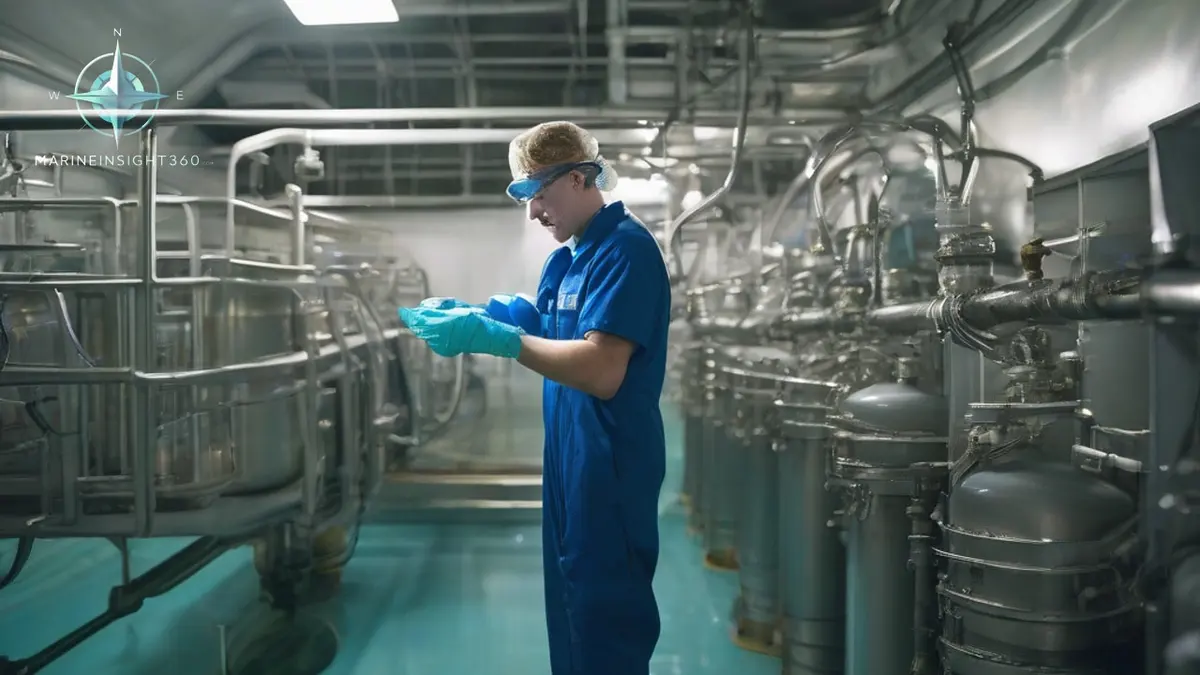
Cruise Ship Blackwater Treatment
Cruise ships carry thousands of passengers and crew members, generating large amounts of wastewater daily up to 1,000 cubic meters. Therefore, wastewater management has become a critical component of daily operations. Because cruise ships spend extended periods away from land, they need to be self-sufficient in this area.
Cruise ship wastewater is divided into two categories: graywater and blackwater.
Graywater originates from bathrooms, bathtubs, and sinks. Wastewater from kitchens, meat processing rooms, fish handling rooms, and laundries is also considered graywater. However, for ease of distinction, this wastewater is often referred to as kitchen and sink graywater.
Blackwater Treatment
Blackwater refers to wastewaterfrom toilets and urinals, including flushing water. Because blackwater contains human excreta, is infectious, and poses a risk to the environment, it requires specialized treatment and disposal processes before it can be stored onboard or discharged into the ocean beyond environmental limits.
Therefore, this article will focus on the management, treatment, and disposal of blackwater.
4 Key Terms Related to Ship Wastewater Treatment Plants
Blackwater is collected into blackwater collection units through the main circuit system. This system is divided into different decks or areas on the ship and connected to different blackwater collection units.
Depending on the size of the vessel, there may be multiple collection units (4-10). These units are typically installed in technical compartments throughout the ship and monitored and maintained by technicians.
Blackwater is collected into collection tanks by gravity or vacuum. In vacuum systems, the vacuum in the collection tank and its suction line is created by an attached vacuum pump, which operates based on the vacuum level detected by a sensor.
Blackwater is conveyed to the collection unit through coarse filters, which must be cleaned daily or as needed. These filters remove any larger solids that might enter the collection tank or clog the piping or vacuum pump.
Blackwater collection units are equipped with vacuum pumps, which typically operate on a timed basis but can also be set to operate at a specific level. These pumps are controlled by a float switch and operate periodically to reduce the level in the blackwater collection unit. These pumps are wastewater discharge pumps used to transport blackwater from the collection unit to the screen press.
The screen press removes solid matter (such as toilet paper, plastic, gravel, fibers, rags, etc.) from the blackwater, ensuring that only liquid enters the next stage of the treatment process.
First, larger solids are separated using a screen called a sieve. Then, fine suspended solids are removed using a large motor-driven screw shaft, which grinds and separates the fine solids.
The filtered or clarified blackwater enters the next stage, the treatment stage, while the solids separated from the screen press are collected in a separate tank, typically called a biosludge tank.
Membrane bioreactors (MBRs) can also use the combined greywater. This process is automatically controlled on demand by a three-way valve at the inlet of the screen press. During periods of low blackwater production (typically at night when most people are asleep), the three-way valve supplies greywater to the MBR to maintain greywater levels throughout the stages.
In this case, the combined graywater is stored in a separate double-bottom tank. The graywater pump operates automatically based on the MBR's demand and the graywater level in the double-bottom tank.
Treatment Process
The filtered/clarified blackwater is then transported to a wastewater treatment plant called an MBR. MBR stands for "Membrane Bioreactor." As the name suggests, this reactor treats wastewater, or blackwater, through biological processes and membrane filtration.
The MBR consists of two stages. Blackwater from the screen press enters the first stage, where it is treated by aerobic bacteria. A continuous air supply, through a blower and diffuser, invigorates the aerobic bacteria, creating bubbles that evenly distribute the air throughout the biomass. Excess air, water vapor, and gases from both stages are discharged to the atmosphere through connected ventilation lines.
The aerobic bacteria act on the wastewater, breaking it down and separating the sludge from the wastewater. The treated water then passes through an internal stage filter (ISF) and enters the second stage of the MBR.
Membrane Bioreactor
The independent filter system (ISF) helps remove any particulate matter or fine impurities introduced from the first stage or carried over from the pretreatment stage. The filtrate from the ISF is collected in a connected filter tank and then pumped to the second stage of the membrane bioreactor (MBR) via a filter pump. The separated solids collected in the screen tank are then pumped to the screening filter press or the first stage via a screen pump.
Both the filter pump and the screen pump are equipped with a duty pump and a backup pump.
The condition of the ISF should be checked regularly, and the filters cleaned as needed. The filtrate-to-filtrate ratio is a measure of ISF integrity. Typically, this ratio should be between 1 and 5. Any reading significantly outside this range requires inspection and/or adjustment.
As with the first stage, further aerobic reactions occur in the second stage. This is to ensure that as much sludge as possible is separated, so that only liquid passes through the membrane filtration stage. This reduces the likelihood of membrane clogging or damage, thereby avoiding downtime and increased maintenance costs.
- Best Cruise Ship Tracker Websites Online
- Allure of the Seas – Biggest cruise Ship
- Disney Cruise Line’s Largest Cruise Ship Floated Out Of Meyer Werft Shipyard
- 8 Ways Cruise Ships Contribute to Ocean Pollution
- Ocean Liners vs. Cruise Ships – Things You Should Know
- Which is World’s Largest Cruise Ship?
The sludge separated from the first and second stages must be removed daily to prevent cross-contamination with the liquid entering the membranes. Separate pumps and storage tanks are used for this purpose. Chemicals are also distributed between the two stages to treat the sewage sludge.
The treated liquid (wastewater) is pumped from the second stage of the bioreactor to the membranes via a centrifugal crossflow pump. The membranes are typically arranged in several rows of parallel membranes (usually three to four rows). Each row contains multiple membranes connected in series and is equipped with its own crossflow pump. Each row can be isolated for cleaning or maintenance without interrupting the process.
Wastewater Treatment
Each membrane consists of a tube with a nominal diameter of 8 mm mounted on a fiber-reinforced sleeve with a nominal diameter of 200 mm. These membranes are ultrafiltration membranes with a nominal pore size of 40 nanometers.
Billions of these micropores on the membrane fiber surface create a barrier to microbial impurities such as bacteria, viruses, and protozoa, while allowing pure water molecules to pass through and affect the treatment process. Untreated wastewater is returned to the second stage of the bioreactor.
Membrane tanks accumulate impurities and must be flushed daily with clean fresh water and chemically cleaned weekly to ensure continuous operation and prevent membrane damage. Membrane replacement can be an expensive and time-consuming process.
The liquid filtered through the membranes (called treated wastewater or permeate) can be further disinfected with chlorine before being pumped into the permeate or treated wastewater storage tank. If turbidity increases, a turbidity sensor shuts off the permeate pump.
If the stored liquid exceeds environmental limits, it is pumped out by the treated wastewater pump. Chlorine treatment (disinfection) of the MBR is generally not required if the bioreactor and membranes are performing well.
Both permeate phases from the bioreactor should be sampled weekly for biological/chemical oxygen demand (BOD), odor, color, and coliform bacteria to ensure proper MBR unit performance.
While graywater from accommodation areas can be used for the primary bioreactor, graywater from kitchens and laundry rooms is not recommended because it contains detergents and/or oils that can negatively impact aerobic bacteria, thus affecting biomass production and function. Therefore, kitchen and laundry graywater should be stored in separate tanks.
Graywater management is a complex process that requires a comprehensive understanding of the system, strict adherence to relevant standards, proper and timely maintenance procedures, and careful troubleshooting to ensure continued efficiency and operational continuity.
System complexity also factors into tank size. Larger tanks can place a significant burden on daily operations and procedures. Although systems are designed to operate automatically without human assistance, they are still susceptible to malfunctions. It is recommended to follow the manufacturer's instructions, operating manual, maintenance schedule, and regular testing to ensure plant safety.
Recommended Reading
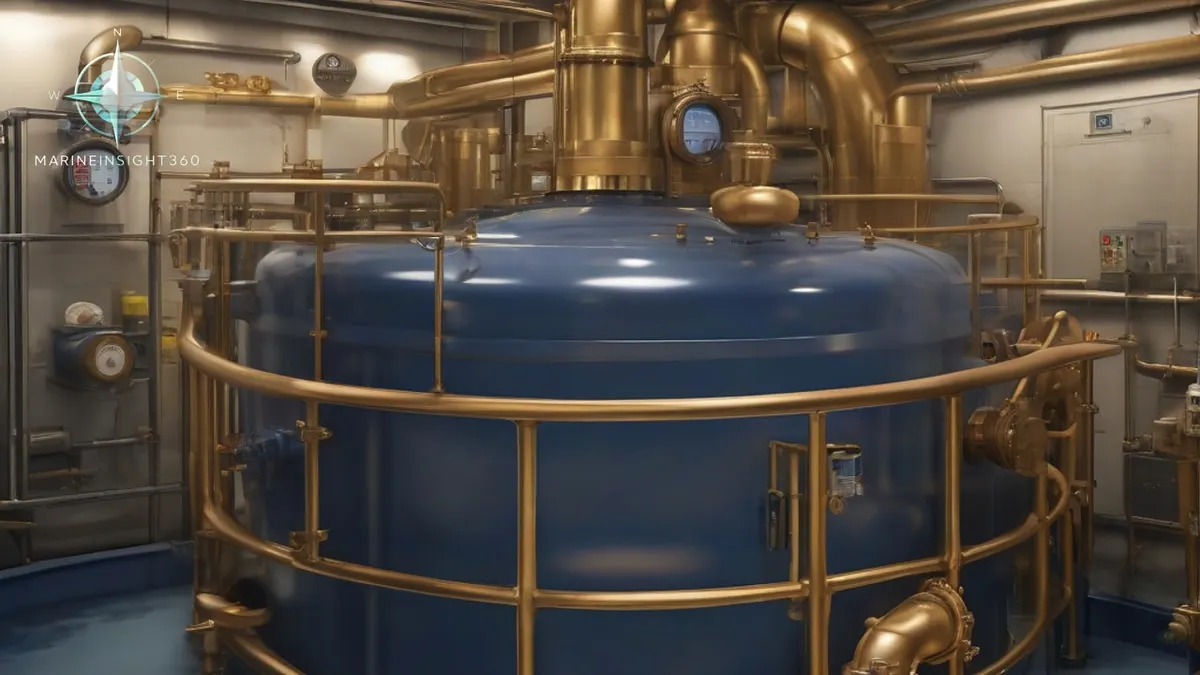
Blackwater Treatment Onboard Cruise Ships Explained
Blackwater Treatment Onboard Cruise Ships Explained: regulatory and compliance context for US, UK, Canada, Australia, Singapore and European maritime...

Cruise Ship Tracker Guide: How to Follow Any Ship in Real Time
How a cruise ship tracker works and how to use one: AIS positions, webcams, port schedules, and the honest limits of live maps when a ship crosses an ocean.

Understanding Cruise Ship Hull Design
Cruise ships rely on hull shapes that blend form with function. Designers pick shapes to cut through water with less effort. This boosts speed and cuts…