
Understanding Cruise Ship Hull Design
Understanding Cruise Ship Hull Design: technology, equipment and fleet context for US, UK, Canada, Australia, Singapore and European maritime readers.
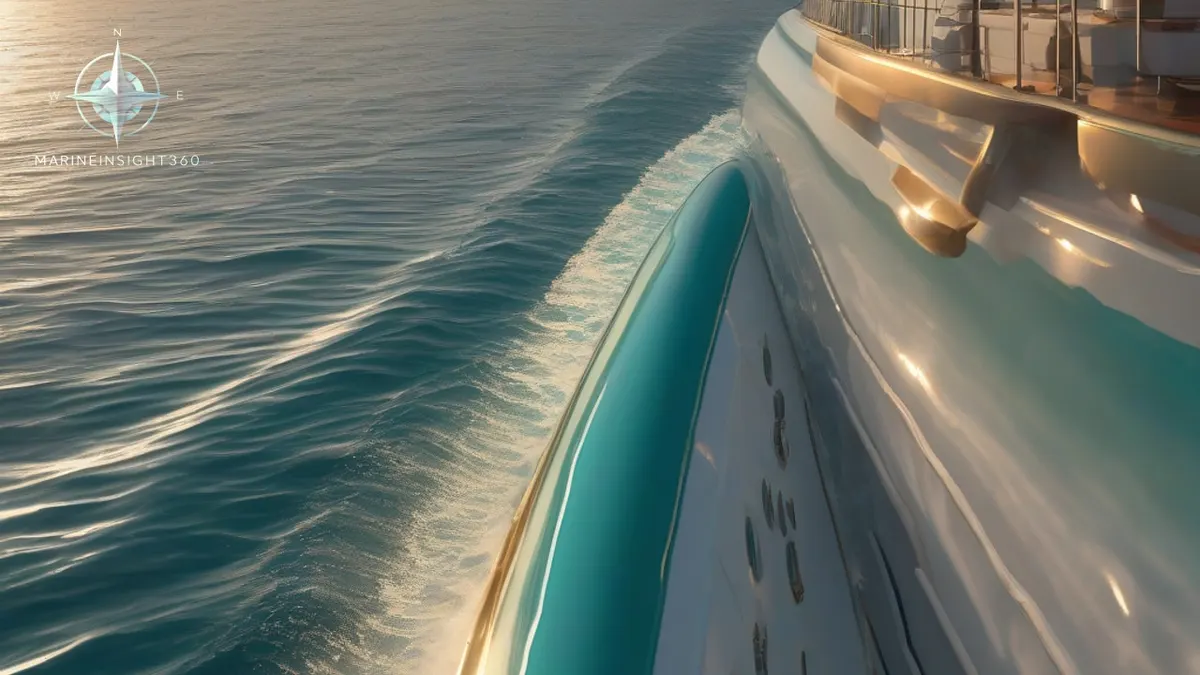
Cruise ship hull design is the compromise that keeps a large passenger vessel steady, comfortable and fuel-efficient at cruising speeds near 20 knots, from the bulbous bow and transom stern to the bilge keels and roll dampers.
Direct Answer
Cruise ship hull design balances speed, fuel efficiency, stability, and passenger comfort by using a bulbous bow, transom stern, displacement or semi‑displacement hulls, steel or high‑tensile steel construction, and integrated propulsion such as fixed‑pitch or controllable‑pitch propellers and Azipods.
What Most People Miss
While the bulbous bow is celebrated for cutting up to 15 % fuel at 20 knots, it actually adds drag at very low speeds. Designers therefore limit its use to cruising speeds, not idle or low‑speed operations. Also, biofouling can increase fuel consumption by 20 % if hull cleaning is neglected, a factor often overlooked in routine maintenance schedules.
Common Mistakes
- Ignoring the trade‑off of a bulbous bow at low speed. It can raise resistance when the ship is near a port or in calm waters.
- Choosing aluminum for upper structures without proper corrosion protection. Aluminum resists weight but is more susceptible to marine corrosion, increasing long‑term maintenance costs.
- Underestimating the importance of GM. A low metacentric height can cause excessive rolling, reducing passenger comfort and increasing seasickness.
- Neglecting regular hull cleaning. Biofouling can add 20 % drag, eroding fuel savings from hull design.
- Failing to integrate propulsion geometry. Mismatched propeller placement can waste 5‑10 % of fuel by creating unnecessary turbulence.
Checklist for Designers and Inspectors
- Verify hull type (displacement vs semi‑displacement) matches intended speed and load.
- Confirm bulbous bow dimensions reduce resistance at target cruising speed (≈20 knots).
- Check transom stern flare for proper propeller clearance and stability in rough seas.
- Ensure steel or high‑tensile steel hull plates meet strength and weight targets.
- Validate welding quality with X‑ray or ultrasonic testing.
- Test GM and trim calculations against IMO stability rules.
- Schedule hull cleaning at least every dry‑dock cycle (≈5 years).
- Inspect anti‑fouling coatings and cathodic protection systems for integrity.
- Confirm propulsion integration (fixed‑pitch, controllable‑pitch, or Azipod) aligns with hull geometry.
- Verify bilge keels or active roll dampers are installed and structurally reinforced.
When This Doesn’t Apply
For vessels smaller than 500 ft, or non‑cruise passenger ships that operate at lower speeds, the benefits of a bulbous bow and semi‑displacement hull may not justify the added construction cost. Similarly, vessels that never reach 20 knots or operate primarily in calm waters may find the drag penalty of a bulbous bow outweighs its advantages.
Operational context
What to verify next
- Check whether hull design affects safety, commercial planning, crew training, documentation or compliance.
- Confirm the latest company procedure, manual, port instruction or training requirement before acting.
- Link this page with one related article or knowledge-base topic so readers can continue their research naturally.
Recommended Reading

Cruise Ship Tracker Guide: How to Follow Any Ship in Real Time
How a cruise ship tracker works and how to use one: AIS positions, webcams, port schedules, and the honest limits of live maps when a ship crosses an ocean.

What Is The Basic Principle Behind Hatch Cover Design?
What Is The Basic Principle Behind Hatch Cover Design?: ports, trade and shipping-market context for US, UK, Canada, Australia, Singapore and European...

Blackwater Treatment Onboard Cruise Ships Explained
Blackwater Treatment Onboard Cruise Ships Explained: regulatory and compliance context for US, UK, Canada, Australia, Singapore and European maritime...