
China Is Testing a Mysterious Aircraft Carrier: What the Flat-Deck Ship Tells Us
China is testing a mysterious aircraft carrier with three islands and a full flight deck. What analysts think it is, and how the PLA carrier fleet compares.
Mysterious Aircraft Carrier is the focus of this article because it connects marine engineers, engine ratings and technical managers with the wider question behind China Is Testing a Mysterious Aircraft Carrier: What the Flat-Deck Ship Tells Us.
What the Chinese “mysterious” carrier‑like vessel actually shows
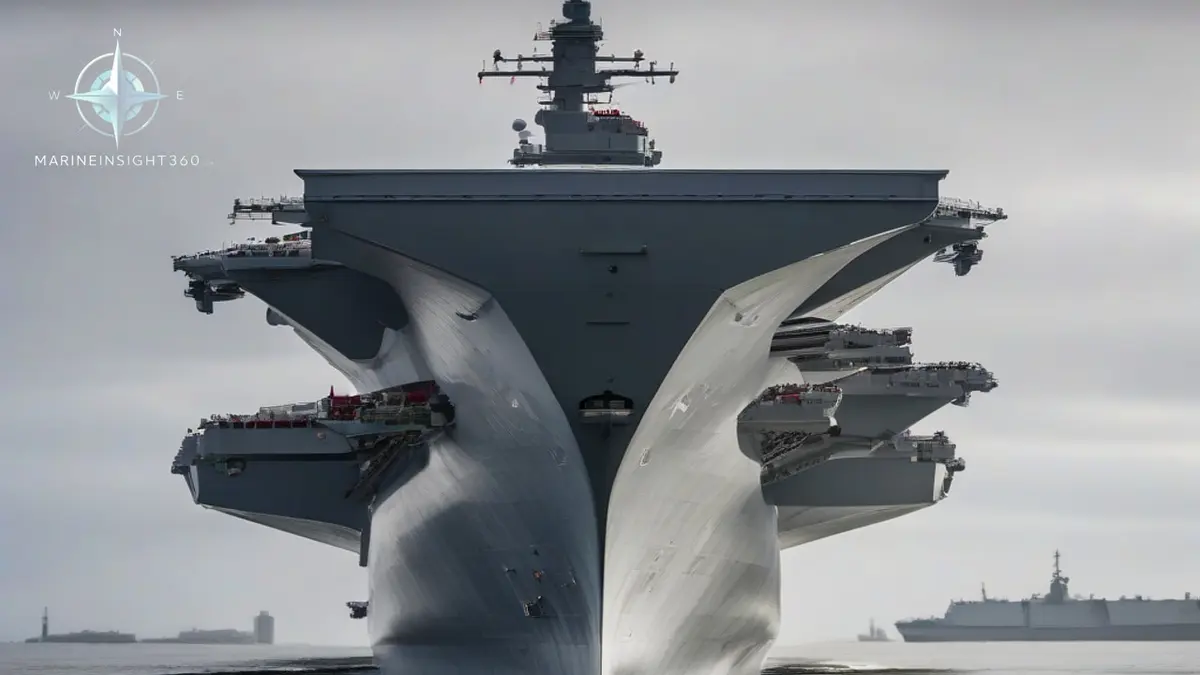
Satellite imagery of a 200‑metre (656‑ft) ship with a full‑length flat flight deck and three island superstructures near Guangzhou has been circulating for months. The vessel’s hull does not match any known Chinese carrier class, so analysts believe it is a test platform, most likely for unmanned aircraft operations, rather than an operational warship.
Why the design matters to planners in the western Pacific
Three islands on a carrier are unusual. A single island houses the navigation bridge, flight control, and machinery uptakes; a second island on the Queen Elizabeth class separates these functions to shorten the distance to the machinery. A third island suggests either separate propulsion trains, a compartmented layout for testing different control configurations, or a ship built to experiment with multiple designs.
For navies watching the region, the key takeaway is that China is exploring new deck‑operations concepts that could change how future carriers are built and used.
China’s carrier fleet in context
- Fujian – 316 m (1,037 ft) long, 76 m beam, 110‑120 ktn displacement, electromagnetic catapult (CATOBAR). Entered service 5 Nov 2025 on Hainan.
- Type 004 – under construction at Dalian, nuclear‑powered, 110‑120 ktn displacement, projected sea trials end‑of‑decade, service entry ~2030.
- Earlier carriers – use STOBAR (ski‑jump launch, arrested recovery) and STOVL (short take‑off, vertical landing).
The new 200‑m vessel falls into the “drone and helicopter carrier” category: a flat deck designed for rotary‑wing and unmanned aircraft that require no catapult and minimal runway length. This aligns with global trends where navies test unmanned air operations to reduce cost and complexity.
Operational implications for commercial shipping in the Pearl River and beyond
Commercial vessels operating in the Pearl River estuary and along the Chinese coast must watch for temporary exercise and closure areas issued by maritime safety administrations. These notices appear on NAVTEX and SafetyNET under the World‑Wide Navigational Warning Service. Because naval units on trials may not transmit AIS and new construction under tug escort may only show the tug, radar plotting and early collision‑regulation action become more critical than usual.
Failing to update a passage plan a week before departure can result in a ship entering a declared restricted area, leading to boarding, fines, and delays that appear in the company’s incident report rather than just the deck log.
Reading the news without overreading it
A single hull seen on trials proves intent, not capability. The useful questions are: does the design repeat? Is there a support structure of crews, aircraft, and maintenance that follows it? Will the ship appear in exercises? Until a second vessel of similar configuration appears, the sensible position is that the ship is an unusual test platform whose role China has chosen not to explain.
Next steps for seafarers and shipping professionals
Check the latest NAVTEX and SafetyNET alerts before heading into the Pearl River or Guangzhou waters. If your vessel is scheduled to pass through a declared exercise area, update your passage plan and maintain radar vigilance. For deeper technical insight, consult the Marine Insight 360 “Marine Machinery” section on carrier flight‑deck operations.
Why this matters
Mysterious Aircraft Carrier matters because maritime decisions rarely sit in one department. A route story may affect insurance, crew planning and cargo timing. A machinery topic may affect maintenance, safety permits and spare-part planning. A career question may affect training, documents and joining readiness.
For readers in the United States, United Kingdom, Europe, Canada, Australia, Singapore and other mature maritime markets, the useful angle is practical: what changes, what remains uncertain, and which checks should happen before a decision is made.
Operational context
In daily maritime work, mysterious aircraft carrier should be compared with vessel type, flag requirements, company procedures, port expectations, cargo risk and crew competence. The same topic can look different on a container ship, bulk carrier, tanker, offshore vessel, training ship or shore-side logistics desk.
That is why this article avoids treating the subject as a standalone headline. It connects the issue with the checks that marine engineers, engine ratings and technical managers can use when reading a report, preparing for a voyage, reviewing a procedure or planning a career step.
For related equipment checks and troubleshooting guides, continue with the marine machinery knowledge base.
Recommended Reading
USS Gerald R. Ford Explained: What the Largest Aircraft Carrier Means for Merchant Traffic
Size, propulsion and strike group makeup of USS Gerald R. Ford, its Middle East deployment, and what a carrier group means for nearby merchant ships.
The Biggest Aircraft Carrier: Inside USS Gerald R. Ford
USS Gerald R. Ford is the biggest aircraft carrier afloat at 1,106 ft and over 100,000 tons. Her size, EMALS catapults and how merchant ships meet her.
Across the USA: A Guide to the 5 Major U.S. Aircraft Carrier Museum Ships
American ships and aircraft carrier museum ships are a testament to the military power and capabilities of the United States. Navy. These giants once…