
Chinese and Russian Warships Sail Around Japanese Islands: What Merchant Crews Need to Know
Chinese and Russian warships sail around Japanese islands on joint patrols. The straits involved, the passage rules that apply and safe bridge practice.
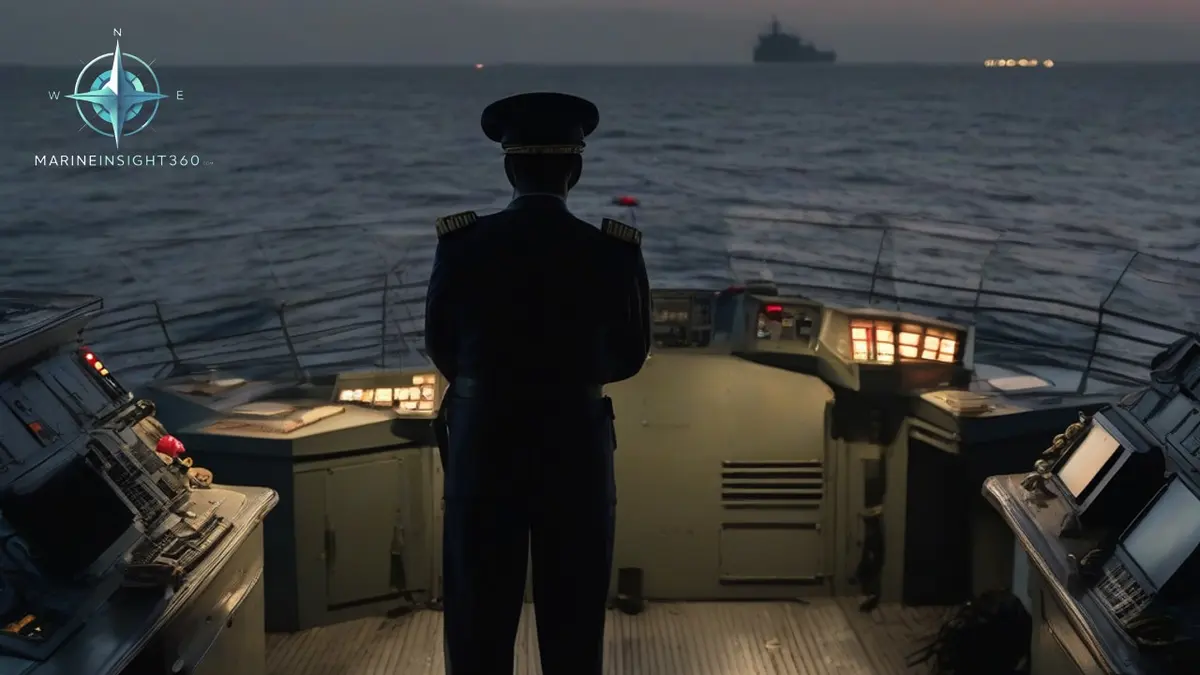
What Merchant Crews Should Expect When Chinese and Russian Warships Sail Around Japanese Islands
When Chinese and Russian warships transit the waters around Japan, they operate in international sea lanes and straits open to all vessels. For a merchant ship, the key concern is not the politics but the presence of large, fast, sometimes darkened contacts that can alter traffic patterns in already busy channels.
Where the Patrols Take Place and Why It Matters
Japan’s archipelago funnels commercial traffic through four main straits: the Tsushima Strait between Kyushu and Korea, the Osumi Strait south of Kyushu, the Tsugaru Strait between Honshu and Hokkaido, and the Soya Strait between Hokkaido and Sakhalin. In these straits Japan limits its territorial sea to three nautical miles, creating a corridor of high seas through the middle.
This legal arrangement allows foreign warships to transit without permission, meaning a merchant vessel on a normal route may encounter a naval task group in a channel only a few miles wide.
Legal Regimes Governing the Encounter
Under the UN Convention on the Law of the Sea, three regimes apply:
- Innocent passage – continuous and expeditious transit through a territorial sea.
- Transit passage – applies in straits used for international navigation and cannot be suspended.
- High‑sea freedoms beyond the territorial sea.
Collision regulations remain unchanged; COLREGS apply to both warships and merchant ships. The difference lies in predictability: a naval formation may alter course together, making intentions harder to read from a single radar plot.
Bridge Practice When a Naval Group Is Close
Experienced watchkeepers treat a naval group as a single manoeuvring unit until proven otherwise. Key actions include:
- Plot early and keep the group in view.
- Open the closest point of approach (CPA) beyond what you would accept for a merchant vessel, because a formation turn can erase a comfortable CPA in minutes.
- Make any alteration large and early so it is obvious on the other bridge.
- Rely on ARPA plots and visual lookouts when the warship transmits no AIS or reduced data.
- Avoid closing for photographs; routine passing should not become a near‑miss report.
Recording and Reporting the Encounter
Document the following in the bell book and deck log:
- Time, position, course and speed of the contacts, plus your own manoeuvres.
- Any radio challenge received, with exact wording and channel.
- Any helicopter or unmanned aircraft activity around the vessel.
- Report to the company security officer if required, and to the coastal state authority if instructed.
Commercial Impact: What Operators Are Watching
So far, naval activity around Japan has not triggered war‑risk premiums or closed shipping lanes, unlike the Red Sea or Black Sea. Operators focus on exercise activity because live‑firing areas and temporary danger zones can force a routing change at short notice. Keeping NAVTEX and coastal warning broadcasts monitored is the practical defence, not speculation about intent.
How to Use Sighting Reports Effectively
A sighting report is a navigational fact, not a forecast. Ship managers should ask:
- Does the reported track cross a route my ships use?
- Has any danger area been promulgated?
- Are my bridge teams briefed on passage rules in the Japanese straits?
Anything beyond that is analysis for another desk. For a refresher on strait transits and traffic separation practice, see the Navigation and Seamanship section of Marine Insight 360.
Regulatory Context: Navigational Warnings and Port State Control
Two regimes operate independently:
- Japanese navigational warnings, including live‑firing and temporary danger areas, are issued as coastal and NAVAREA warnings under the World‑Wide Navigational Warning Service coordinated by the IMO and IHO.
- Any ship calling at a Japanese port is subject to port state control under the Tokyo MoU, which focuses on safety and environmental compliance rather than naval traffic.
Before departure, pull current warnings for the straits on the route and check for overlapping danger areas. On arrival, expect the usual inspection regime: fire dampers, emergency lighting, drill records, etc.
Key Takeaway for the Shipping Community
Chinese and Russian warships sailing around Japanese islands present a predictable, not unpredictable, traffic challenge. By following established bridge practices, maintaining rigorous documentation, and staying alert to navigational warnings, merchant crews can continue operations safely and efficiently.
Next Steps for Your Vessel
Review your bridge team's briefing on COLREGS and strait passage rules. Update your navigation software with the latest Japanese navigational warnings. If you have questions about specific routes, consult the Marine Insight 360 Navigation and Seamanship section.
For connected route-risk and trade coverage, continue with the maritime markets hub.
Recommended Reading
When Were Boats Invented? A Timeline From the First Dugout to the First Sail
The oldest boat ever found is about 10,000 years old, and humans were crossing open water long before that. The real timeline of when boats were invented.
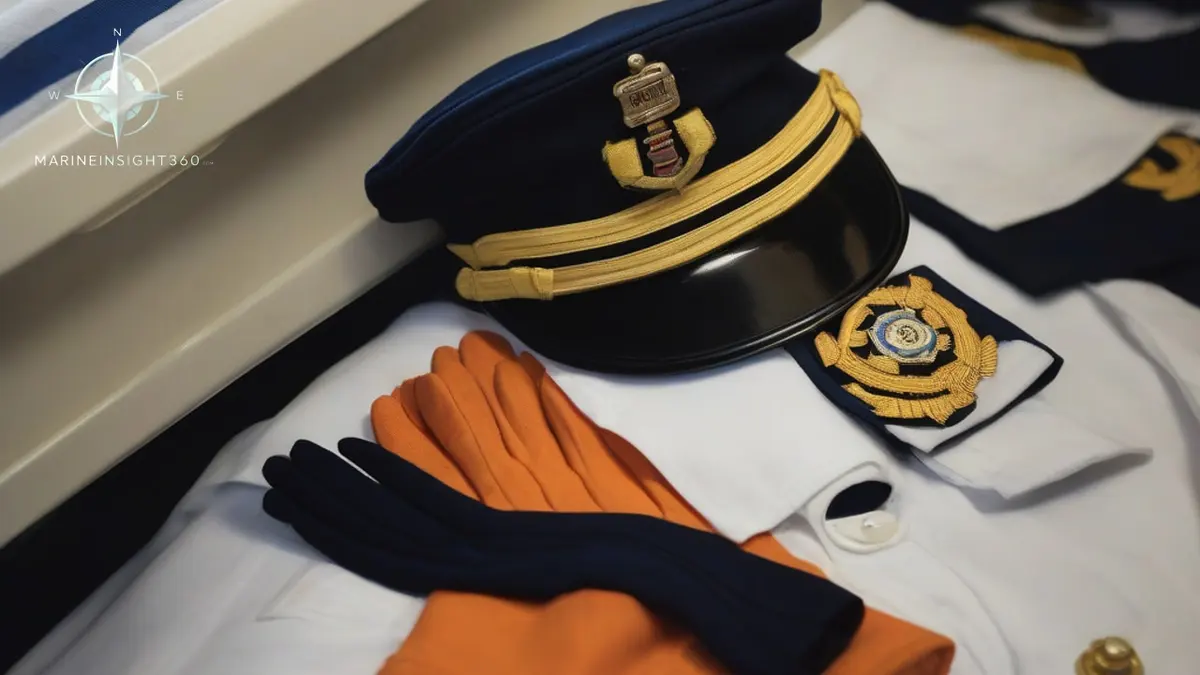
Do Merchant Marines Wear Uniforms? What Crews Actually Wear at Sea
Merchant marines do wear uniforms, but not all day and not on every ship. How stripes, epaulettes and department insignia work, and what crews wear on watch.
Are Pirates Still Around? Where Attacks Happen and How Crews Prepare
Yes. The IMB recorded 137 piracy and armed robbery incidents in 2025, most of them in the Singapore Straits. Here is where, how, and what crews do about it.