
Dogger Bank Delay and the Future of Offshore Wind Power
Dogger Bank Delay and the Future of Offshore Wind Power: ports, trade and shipping-market context for US, UK, Canada, Australia, Singapore and European...
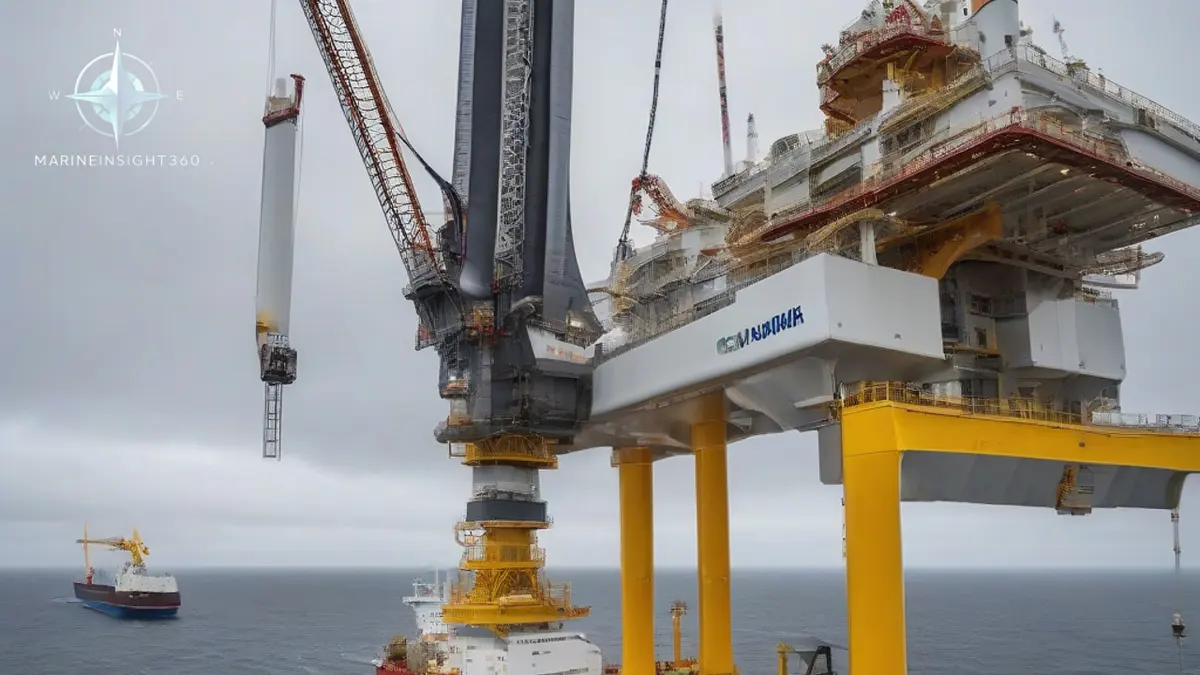
The Dogger Bank wind farm, the world's largest offshore wind project, faces a potential one-year delay that The Telegraph reported in February 2024 and is blamed on permitting delays and grid connection limits.
Weathering the Storm: Dogger Bank Delay and the Future of Offshore Wind Power
The ambitious Dogger Bank Wind Farm, touted as the world's largest offshore wind project, has encountered a significant hurdle with a potential year-long delay. This news, reported by The Telegraph on February 8, 2024, raises crucial questions. About the project's feasibility, the future of offshore wind power development, and its broader impact on the maritime industry.
This blog post delves into the details of the Dogger Bank delay, analyzes its potential ramifications. Explores the challenges and opportunities that lie ahead for this transformative sector.
Navigating the Delay: Unpacking the Dogger Bank Situation:
The Dogger Bank Wind Farm, envisioned to span across three phases and generate enough electricity to power six million homes, faces a potential one-year delay due to ongoing regulatory hurdles and grid connection challenges . This setback stems from several factors:
- Complex Permitting Process. Obtaining necessary permits from various entities has proven time-consuming and intricate, highlighting the need for streamlined approval processes for large-scale renewable energy projects.
- Grid Infrastructure Limitations . Integrating the massive amount of generated power into the existing grid requires significant infrastructure upgrades, further complicating the project's timeline.
- Unforeseen Challenges. Unforeseen technical and logistical issues can inevitably arise in such large-scale endeavors, demanding additional time and resources for resolution.
Beyond the Horizon: Implications and Considerations:
The Dogger Bank delay serves as a cautionary tale, highlighting the complexities involved in developing large-scale offshore wind farms. However, it also presents valuable lessons and prompts crucial considerations for the future:
- Policy and Regulation . Streamlining permitting processes and fostering regulatory clarity can expedite project development and attract further investment in offshore wind power.
- Grid Modernization . Upgrading and expanding grid infrastructure is essential to accommodate the increasing capacity of renewable energy sources like offshore wind farms.
- Collaboration and Innovation: Continued collaboration between governments, developers, and technology providers is crucial to overcome technical and logistical challenges.
Wider Impact: Maritime Industry in the Equation:
The development of large-scale offshore wind farms has significant implications for the maritime industry:
- Navigation and Safety: Careful planning and collaboration are required to ensure safe navigation around wind farms and mitigate potential risks for maritime traffic.
- New Opportunities: Construction, operation, and maintenance of offshore wind farms create new job opportunities for skilled maritime professionals.
- Technological Advancements: Innovation in vessel design and operational practices is crucial for efficiently servicing and maintaining offshore wind infrastructure.
Charting a Sustainable Course: The Road Ahead for Offshore Wind:
Despite the Dogger Bank delay, the future of offshore wind power remains bright. Several factors underscore its enduring potential:
- Growing Demand for Clean Energy: Increasing global commitment to decarbonization fuels the demand for clean energy sources like offshore wind.
- Economic Benefits: Job creation, infrastructure development, and reduced energy costs contribute to economic growth and competitiveness.
- Technological Advancements: Ongoing advancements in turbine technology, floating platforms, and grid integration promise increased efficiency and cost reduction.
Conclusion: Anchoring a Sustainable Future:
The Dogger Bank delay presents a learning opportunity for the offshore wind industry, highlighting the need for streamlined regulations, robust grid infrastructure. Collaborative innovation. Overcoming these challenges paves the way for a thriving offshore wind sector, contributing to a sustainable future powered by clean energy and creating new opportunities for the maritime industry. By navigating these headwinds effectively, we can ensure that the wind continues to fill the sails of sustainable development, propelling us towards a cleaner and brighter future.
Career planning context
For cadets, ratings and officers, offshore wind power should be read alongside current company requirements, flag-state rules, medical fitness standards and training-provider instructions. The pathway can change by country, rank, vessel type and previous sea service. Candidates should verify documents before paying fees or accepting a joining offer.
Recommended Reading
Why Predictive Maintenance Is Becoming the Future of Ship Management
Discover how predictive maintenance is helping shipowners reduce breakdowns, improve safety, lower maintenance costs, and increase vessel reliability.

Shipping Faces Fuel Transition Hurdles Amid IMO Delay and Fragmented Rules
Learn how the IMO’s one‑year delay and fragmented emissions rules affect shipping fuel transition, compliance options, and crew operations.
What Are Lateral Marks? Power of Lateral Marks in Safe Sailing
What Are Lateral Marks? Power of Lateral Marks in Safe Sailing: safety, training and compliance context for US, UK, Canada, Australia, Singapore and...