
Entry Level Deckhand Jobs: Getting Your First Ship
Entry level deckhand jobs explained: the credentials US and UK employers require, which sectors hire without sea time, and how to turn a first job into a career
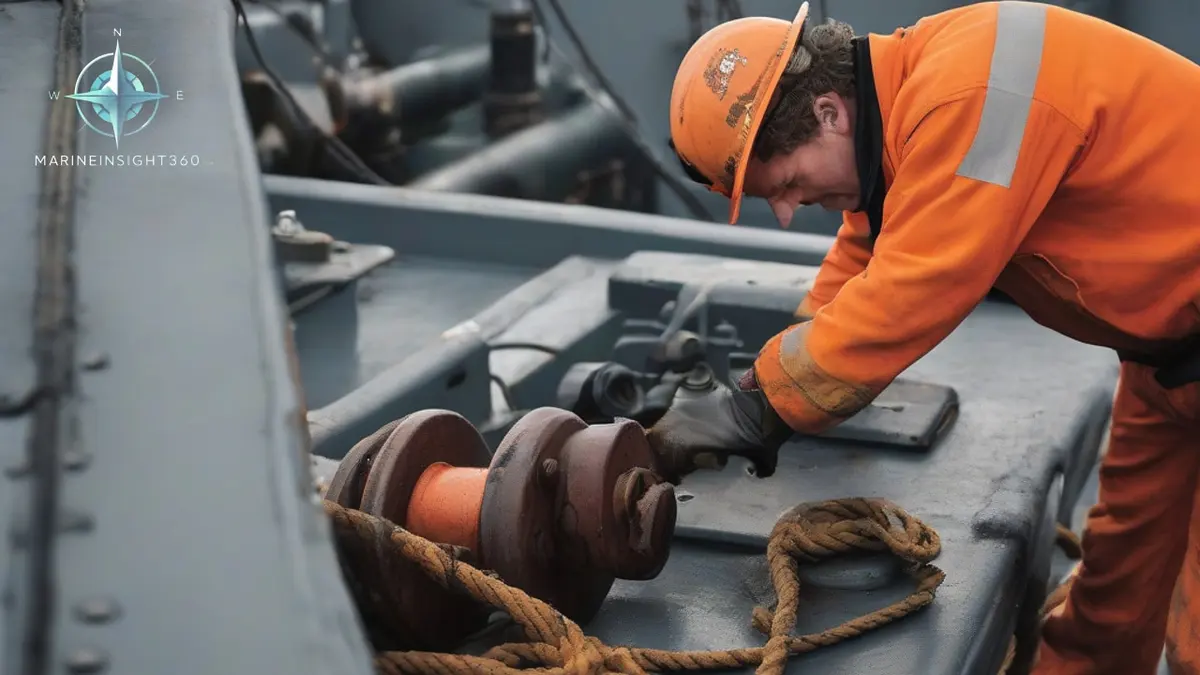
Deckhand jobs are one of the few skilled careers you can still start with no experience and no degree. What you do need is the right paperwork. The deckhand jobs entry level applicants actually get are on harbor tugs, ferries, offshore supply vessels and inland tows. In the United States that means a Merchant Mariner Credential in the Ordinary Seaman rating, a TWIC card and a Coast Guard medical certificate.
In the UK it means an ENG1 medical, STCW Basic Safety Training and, usually, a place on an approved ratings training program.
The credentials are the gate. Once you are through it, harbor tugs, ferries, offshore supply vessels and inland towing companies hire people with zero sea time every year, because that is where the industry replaces itself.
What the job involves
A deckhand is the working hands of the deck department. Mooring and unmooring, handling wires and lines under load, rigging gangways, standing lookout and helm watches, chipping and painting, greasing and maintaining deck machinery, securing cargo and standing by during maneuvers.
The work is physical, outdoors, and governed by rules that exist because people have been killed doing it. Snapback zones, enclosed space entry, working aloft and over the side, and lifting operations are the four areas where a new deckhand needs to listen hardest.
The United States paperwork sequence
- Apply for a TWIC , the Transportation Worker Identification Credential required for unescorted access to secure port and vessel areas. It involves FBI and Department of Homeland Security background checks, so start it early.
- Get a Coast Guard medical certificate from a qualified practitioner, and complete a Department of Transportation five-panel drug test. The test must be current within 185 days of your credential application.
- Apply for the MMC at the Ordinary Seaman entry level. This rating requires no prior sea service and no examination, which is precisely why it exists.
- Add STCW Basic Training if you intend to sail on vessels operating internationally or on larger tonnage. Many domestic operators do not require it initially, but it widens your options.
Applications get delayed by expired documents, missing signatures and gaps in the drug test window far more often than by anything substantive. Check dates before you submit.
The UK and European route
UK entry runs through the ENG1 seafarer medical from a Maritime and Coastguard Agency approved doctor, plus STCW Basic Safety Training at an approved center. From there the standard path is a deck ratings training program with a shipping company or a training provider, with sea service logged in a training record book toward the Able Seafarer Deck certificate.
Domestic and coastal operators, including harbor authorities, ferry companies and workboat operators, also hire directly and train in house. Those jobs are advertised locally rather than through international agencies, so watch port authority and operator websites.
Which sectors actually hire beginners
- Harbor and coastal tugs . Short trips, intense line work, excellent training for anyone who wants to understand ship handling.
- Inland and river towing . Long hitches, structured advancement, and steady demand on the US inland waterways.
- Ferries and passenger vessels . Regular schedules, home most nights, strong safety training because of passenger carriage.
- Offshore supply and wind farm support . Higher day rates, more specialized safety training, and a growing renewables sector on both sides of the Atlantic.
- Dredging, survey and research vessels . Quieter recruitment, often good conditions.
- Military Sealift Command in the US, which recruits entry-level unlicensed mariners directly into federal civil service billets.
Yachting is a separate industry with its own certificates, hiring hubs and culture, and it is covered on its own terms elsewhere on this site.
Sea time is the currency
Every day you work counts toward the next credential. In the US, documented sea service moves an Ordinary Seaman toward Able Seaman, then toward a mate's license or an engineering rating. In the UK the same principle applies through the ratings and officer certification structure.
Two habits pay off immediately. Keep your own record of every vessel, every sign-on and sign-off date, and every day worked, because company records go missing. And get your sea service letters signed before you leave a company, not two years later.
How to actually get hired
Apply directly to operators rather than only through job boards. Small tug, ferry and workboat companies often fill jobs from walk-ins and referrals before a posting ever appears online. In the US, union apprentice programs are another structured route, with training and guaranteed sea time attached.
Make your availability the selling point. Companies hiring entry level are buying reliability, a clean drug test and someone who will show up for a hitch at short notice. Say plainly that you have your paperwork in hand and can travel.
The realistic first year
Expect long hitches, night watches, seasickness at first and a steep vocabulary curve. Expect to be given the worst jobs on deck and judged on how you do them. Most people who leave in year one leave because of the schedule, not the work.
Those who stay usually find that the credential ladder moves faster than any shore equivalent. Three or four years of consistent sea time puts you in reach of an able seafarer rating and, with study, an officer track. Our Merchant Navy Careers section sets out the certification steps in order.
Sources and further reading
- How to Join the Merchant Marine, MITAGS
- How to Become an Ordinary Seaman, Pathfinder Maritime Training
- Licensing and Credentials, Military to Maritime
What to read next
Recommended Reading
When Were Boats Invented? A Timeline From the First Dugout to the First Sail
The oldest boat ever found is about 10,000 years old, and humans were crossing open water long before that. The real timeline of when boats were invented.
Superyacht Deckhand Jobs UK: Landing Your First Season
How to get superyacht deckhand jobs from the UK: the ENG1 and STCW certificates you must hold, the extra tickets that get you hired, and how the season works.

When Was America Discovered? The Sea Voyages That Reached It First
America was reached by sea around AD 1000 by Norse crews and in 1492 by Columbus. The ships, navigation and wind systems behind both crossings.