
Superyacht Deckhand Jobs UK: Landing Your First Season
How to get superyacht deckhand jobs from the UK: the ENG1 and STCW certificates you must hold, the extra tickets that get you hired, and how the season works.
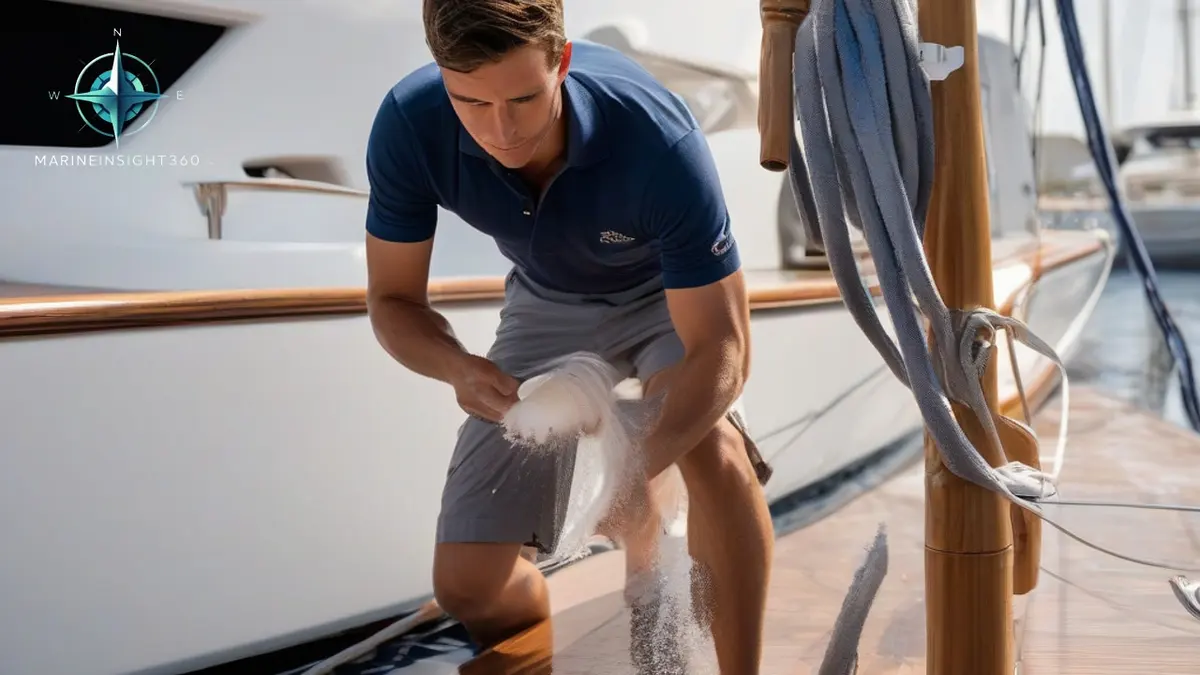
Superyacht deckhand jobs UK applicants chase all start with the same two documents: an ENG1 seafarer medical certificate and STCW Basic Safety Training. Without both, no reputable crew agency will put you forward and no captain will sign you on. Everything else, the experience, the tickets, the contacts, is built on top of those two.
The second thing to understand is geography. Britain is a good place to get qualified and a poor place to get hired. The large charter and private fleet sits mainly in the Mediterranean and the Caribbean, so a UK-based candidate trains at home and then goes looking for work where the boats actually are.
The two certificates you cannot work without
ENG1 is the medical fitness certificate issued by a doctor approved by the Maritime and Coastguard Agency, the UK maritime regulator. It confirms you are fit for sea service. Color vision is the most common reason candidates fail it, and there is no way around a fail, so get the medical done before you spend money on courses.
STCW Basic Safety Training is a course of about six days delivered by an MCA-approved training center. It covers personal survival techniques, fire prevention and firefighting, elementary first aid, and personal safety and social responsibilities. It is the international minimum under the STCW Convention, which sets training standards for seafarers worldwide.
Budget for both together. Do the medical first, the training second, and keep certified copies with you when you travel.
Extra tickets that get a green deckhand hired
- RYA Powerboat Level 2 . You will be driving tenders on day one. Captains treat this as close to essential.
- VHF Short Range Certificate , the radio operator license. Cheap, quick and expected.
- A deckhand course . A week or two covering teak care, varnish and paintwork, line and knot work, tender handling, anchoring and passerelle work. It will not replace experience, but it shows you know which end of a chamois to hold.
- Watersports instructor tickets , such as jet ski, paddleboard or diving. On charter yachts these turn a deckhand into a toy operator, which is a real hiring advantage.
What the job actually involves
Yacht deck work is exterior maintenance to a standard most commercial mariners would find extreme. Early morning washdowns before the guests wake, chamois work on stainless and glass, teak scrubbing, varnish, paint touch-ups, and endless cleaning of things that are already clean.
Beyond that come tender and toy operations, guest transfers, line handling, watchkeeping in port, and helping on deck for maneuvering, anchoring and passerelle rigging. Hours during a charter are long and the standards are unforgiving. The trade is that you live aboard, food and accommodation are provided, and you travel.
Where the work is and when
The Mediterranean season runs roughly May to September, with hiring concentrated in the preceding spring. The Caribbean season runs roughly November to April, hiring from the autumn. Yards and refits generate work in between.
The traditional hiring hubs are Antibes and Palma in Europe, and Fort Lauderdale in the United States. Dockwalking, meaning going boat to boat introducing yourself and asking for daywork, is still one of the most effective ways to get a first job. UK-based candidates should also look at the Solent and the south coast, where some yachts refit and some UK-flagged vessels are managed.
Work through the specialist crew agencies as well as walking docks. Registering a complete profile, with certificates uploaded and referees listed, is what makes an agency call you when a boat needs someone tomorrow.
Money, tax and the realistic first year
Entry-level deckhand pay on yachts is normally quoted in euros or US dollars and comes with accommodation and food included, which changes the arithmetic considerably against a shore job. Charter yachts add tips, which vary enormously and should never be counted on when you plan.
UK residents who work at sea should look at the Seafarers' Earnings Deduction, an HMRC relief that can remove UK income tax on foreign-going sea earnings for those who meet an eligible period requirement based largely on days spent outside the UK. Keep a day-by-day record from your first contract, because reconstructing it later is painful.
Expect the first season to be daywork and short contracts before a permanent position appears. That is normal, not a sign you are failing.
Mistakes that cost people the first job
- Arriving in Antibes or Palma in July, after every boat is crewed. Arrive in early spring.
- Booking courses before the ENG1 medical.
- A CV with a casual photograph, spelling errors or unexplained gaps. Yacht CVs are one page, with a plain head-and-shoulders photograph and certificates listed clearly.
- Turning up without a visa or work permission that matches where you are hunting. Check the rules for the country you are dockwalking in before you fly.
- Treating daywork as beneath you. Daywork is the interview.
Yachting sits apart from commercial shipping in certification and culture, and moving between the two is not automatic. If you want the merchant route instead, our Merchant Navy Careers section covers deck ratings and officer cadetships.
Sources and further reading
- Become a Superyacht Deckhand, Flying Fish
- How to Become a Yacht Deckhand, Yotspot
- Yacht Deckhand Jobs, YPI CREW
What to read next
Recommended Reading

When Were Boats Invented? A Timeline From the First Dugout to the First Sail
The oldest boat ever found is about 10,000 years old, and humans were crossing open water long before that. The real timeline of when boats were invented.
Entry Level Deckhand Jobs: Getting Your First Ship
Entry level deckhand jobs explained: the credentials US and UK employers require, which sectors hire without sea time, and how to turn a first job into a career

PT Bahtera Bahari Shipyard Launches Indonesia's First All-Electric CBG 500 E Crane
Liebherr's all-electric CBG 500 E grab crane goes to work on an Indonesian transshipment barge. What it changes for bulk terminals and crews.