
Explosion Kills One and Injures Others at Fuel Storage in Port of Rotterdam
One fatality and multiple injuries resulted from an explosion at a fuel storage facility in the Port of Rotterdam. Learn the safety lessons for seafarers and po
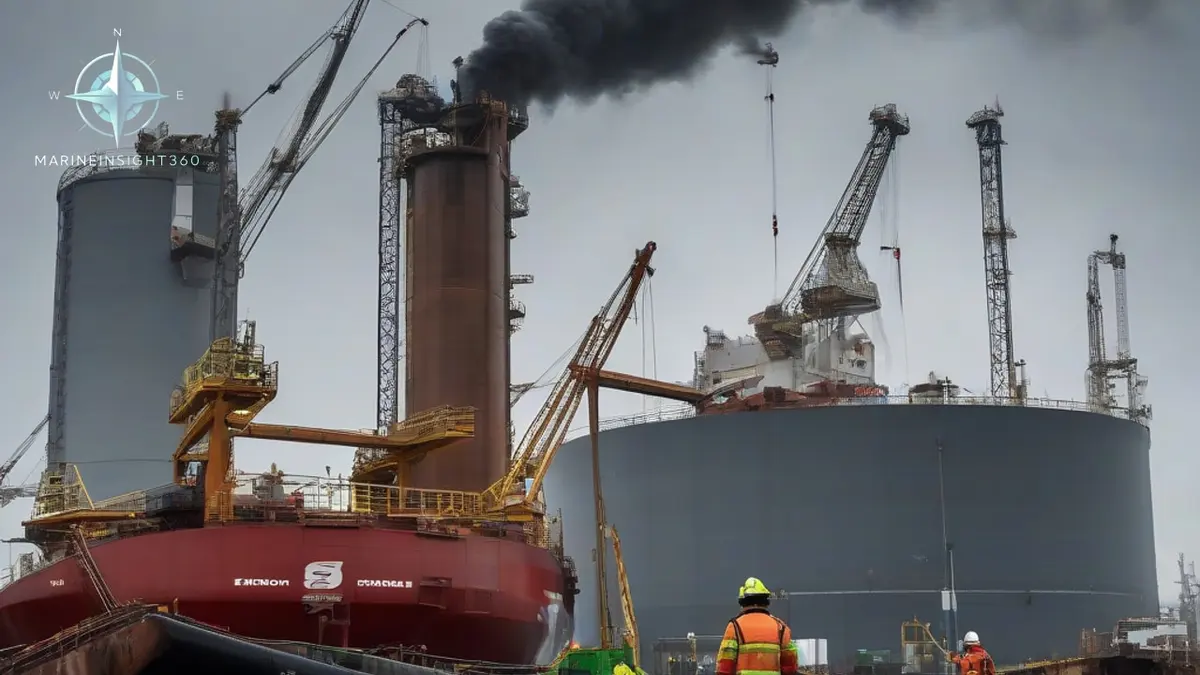
Explosion Kills One is the focus of this article because it connects cadets, officers, ratings, recruiters and maritime students with the wider question behind Explosion Kills One and Injures Others at Fuel Storage in Port of Rotterdam.
Why the Rotterdam blast matters to seafarers and port personnel
Fuel terminals are critical nodes in global supply chains; any disruption can ripple through shipping schedules, cargo handling plans, and crew welfare. Officers on tankers and bulk carriers must understand on‑shore fuel‑storage risks to coordinate safe berthing, follow port authority directives, and run effective emergency drills.
Key safety criteria for fuel storage terminals
Port operators and terminal managers must meet hard criteria before authorising fuel handling. Failure to comply can create the conditions that led to the Rotterdam explosion.
Distance to ignition sources
International Maritime Organization (IMO) guidelines and EU directives require a minimum safe separation of 30 m (98 ft) between fuel tanks and any hot‑work zone for gasoline‑type fuels.
Grounding and bonding integrity
All transfer hoses and loading arms must stay continuously bonded to prevent static discharge, a common spark source in volatile environments.
Ventilation and gas detection
Continuous monitoring for flammable vapour concentrations below 10 % of the lower explosive limit is mandatory under the European ATEX directive.
Personnel training
Crew and terminal staff must hold STCW‑mandated training on hazardous material handling and emergency response, with refresher courses at least every two years.
Operational trade‑offs: capacity versus safety
Increasing storage capacity can boost throughput, but it may compromise safety if risk mitigation does not keep pace.
- Higher tank density: Packing more tanks into a confined area raises the probability of chain‑reaction fires, demanding more robust fire‑suppression systems.
- Expanded berth allocation: Larger fuel depots can accommodate more vessels simultaneously, yet they increase traffic congestion, making emergency evacuation routes harder to maintain.
- Cost of safety upgrades: Installing advanced gas‑detection networks and automatic shut‑off valves can represent 5‑10 % of a terminal’s capital budget, but they significantly lower the likelihood of catastrophic events.
Common mistakes that can trigger explosions
Even seasoned operators can overlook simple safeguards. The most frequent errors include:
- Neglecting to verify that all grounding cables are intact before starting a fuel transfer.
- Allowing non‑essential personnel or equipment in the immediate vicinity of loading operations.
- Skipping routine calibration of vapour detectors, which can drift out of tolerance over time.
- Performing hot work such as welding or cutting without a full permit‑to‑work system and continuous gas monitoring.
Impact on shipboard operations and crew responsibilities
When a terminal incident occurs, ship masters must adapt quickly to minimise delays and protect crew safety.
- Re‑routing or waiting: Vessels may be instructed to hold position offshore, affecting fuel budgeting and crew rest cycles.
- Communication protocols: Masters should maintain open radio contact with port authorities, relaying any changes in ETA or cargo status.
- Safety drills: Crews should be ready to execute muster and abandon‑ship procedures if a fire spreads to the dockside area.
- Documentation: Accurate log‑book entries regarding delays and any exposure to hazardous conditions are essential for insurance and regulatory reporting.
Regulatory landscape across major maritime jurisdictions
Each major jurisdiction enforces rules that align with IMO conventions but add local specifics.
- United States: The Coast Guard (USCG) requires compliance with 46 CFR § 154.2100 for hazardous cargo terminals, emphasizing emergency response plans.
- United Kingdom: The Maritime and Coastguard Agency (MCA) enforces the Marine Safety Act, mandating regular safety audits for fuel depots.
- European Union: The Seveso III Directive governs high‑risk industrial sites, including fuel storage, imposing strict reporting and safety‑distance requirements.
- Australia: The Australian Maritime Safety Authority (AMSA) follows the National Code for the Safe Loading and Unloading of Bulk Liquids, mirroring IMO’s International Code for the Safe Carriage of Dangerous Goods.
- Singapore: The Maritime and Port Authority (MPA) requires fuel terminals to comply with the Singapore Port Safety and Health (SPSH) guidelines, which incorporate rigorous fire‑fighting capability standards.
Practical steps for crews and operators
Review your vessel’s hazardous cargo handling procedures against the criteria listed above. If you haven’t already, schedule a refresher STCW‑approved training session on fuel‑terminal safety and verify that your ship’s emergency response plan includes specific actions for dockside incidents.
For detailed guidance, see Marine Insight 360’s Knowledge Base article “Fuel Terminal Safety and Emergency Procedures.” Staying vigilant protects lives, cargo, and the broader supply chain.
Why this matters
Explosion Kills One matters because maritime decisions rarely sit in one department. A route story may affect insurance, crew planning and cargo timing. A machinery topic may affect maintenance, safety permits and spare-part planning. A career question may affect training, documents and joining readiness.
For readers in the United States, United Kingdom, Europe, Canada, Australia, Singapore and other mature maritime markets, the useful angle is practical: what changes, what remains uncertain, and which checks should happen before a decision is made.
For related career routes, eligibility and rank guidance, continue with the merchant navy career hub.
Next steps
For related career routes, eligibility and rank guidance, continue with the merchant navy career hub. Use the linked hub to compare the topic with related guidance before making operational, training or commercial decisions.
Recommended Reading
Shipboard Fuel, Diesel, & Lubricant Oil Storage Tanks
Shipboard Fuel, Diesel, & Lubricant Oil Storage Tanks: ports, trade and shipping-market context for US, UK, Canada, Australia, Singapore and...
Port Everglades Uses Visit of Largest Boxship to Urge Channel Improvements
Port Everglades showcased the largest container ship to highlight channel limits and now seeks dredging upgrades. Learn the impact on operations, costs and crew
Saudi Arabia’s RSGT Considers Bid for Port of Cape Town
Learn rsgt considers bid with practical maritime context, safety checks, operational guidance and related resources for global shipping readers.