
Port Everglades Uses Visit of Largest Boxship to Urge Channel Improvements
Port Everglades showcased the largest container ship to highlight channel limits and now seeks dredging upgrades. Learn the impact on operations, costs and crew
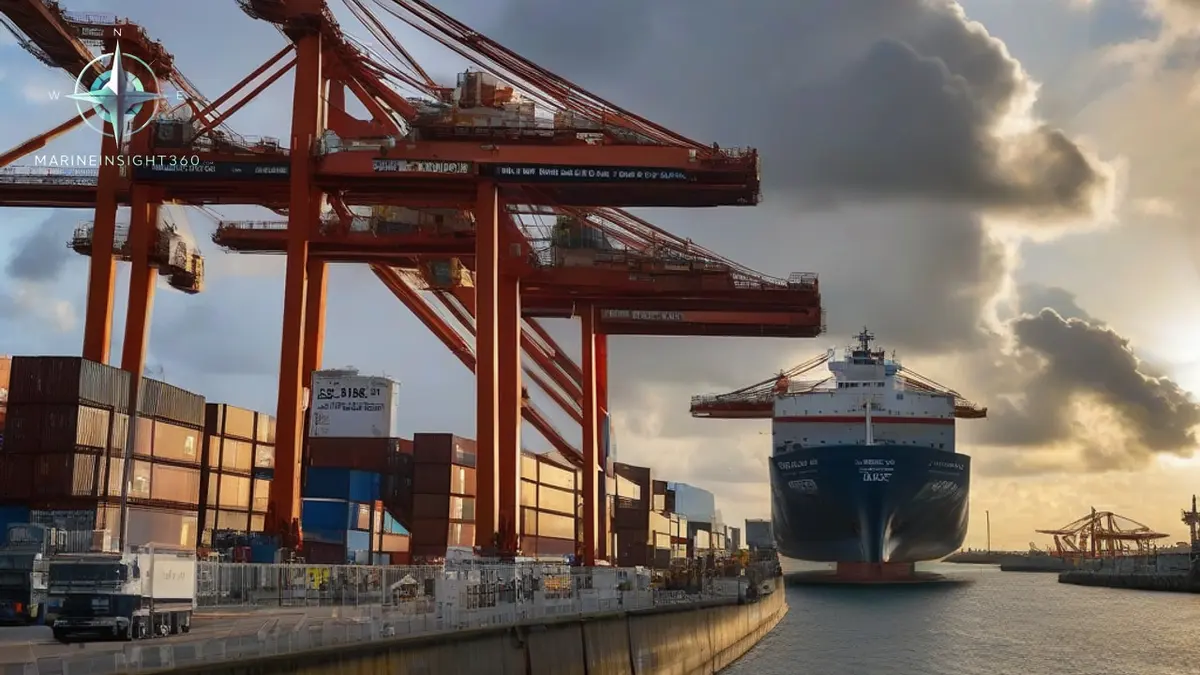
Port Everglades Uses Visit is the focus of this article because it connects ship operators, masters, safety officers and compliance teams with the wider question behind Port Everglades Uses Visit of Largest Boxship to Urge Channel Improvements.
Port Everglades Leverages Record-Size Boxship Visit to Push for Channel Upgrades
By staging the visit of the current largest boxship, Port Everglades highlighted that its existing navigation channel cannot reliably handle vessels of this size, prompting the authority to request immediate dredging and infrastructure upgrades to keep the port competitive.
Why the Largest Boxship Matters for Port Planning
When a vessel of unprecedented length, beam, and draft enters a harbor, it tests every aspect of the waterway – from depth and turning radius to bridge clearance. Port planners use such “stress-test” visits to quantify the margin between design limits and real-world performance.
Key Challenges for Port Channels
- Draft pressure: A deeper draft reduces under-keel clearance, increasing the risk of grounding.
- Beam constraints: Wider ships need more lateral clearance, affecting berth allocation and tug assistance.
- Turn radius: Larger ships require more space to maneuver, influencing channel width requirements.
Key Decision Criteria for Channel Improvements
Authorities evaluating dredging proposals weigh several factors:
- Economic return: Projected cargo throughput gains versus dredging cost.
- Environmental impact: Sediment disturbance, marine habitat protection, and compliance with the U.S. Army Corps of Engineers’ regulations.
- Regulatory compliance: Alignment with the U.S. Coast Guard’s navigational safety standards and the International Maritime Organization’s (IMO) guidelines for safe passage.
- Operational disruption: Expected downtime for existing traffic during dredging activities.
Common Pitfalls When Upgrading Port Channels
Ports that rush into dredging without thorough analysis risk cost overruns and limited long-term benefit. Typical mistakes include:
- Under-estimating sediment volume: leading to repeated dredging cycles.
- Neglecting stakeholder engagement: which can cause legal challenges from environmental groups.
- Failing to synchronize dredging with berth upgrades: resulting in bottlenecks even after the channel is deeper.
- Overlooking the need for updated navigation aids: such as electronic chart display and information systems (ECDIS) updates for the new channel profile.
Operational Impact on Crews and Shipping Companies
For seafarers and cadets, channel limitations translate directly into schedule reliability. A vessel forced to reduce speed or wait for a tide window can miss connecting services, affecting crew rest periods and cargo delivery contracts.
Benefits of Deeper Channels
- Reduced transit time: up to 30 minutes per call for ULCVs.
- Improved crew watch-keeping schedules: and lower overall voyage costs.
Next Steps for Stakeholders
Maritime professionals interested in the upcoming changes should monitor the Port Everglades Dredging Authority’s public notices and review the U.S. Army Corps of Engineers’ environmental impact statements.
Why This Development Matters
Port Everglades’ push for channel upgrades, sparked by the visit of the world’s largest boxship, underscores a global shift toward accommodating ever-larger vessels, a trend that will shape port competitiveness and crew operations for years to come.
Why this matters
Port Everglades Uses Visit matters because maritime decisions rarely sit in one department. A route story may affect insurance, crew planning and cargo timing. A machinery topic may affect maintenance, safety permits and spare-part planning. A career question may affect training, documents and joining readiness.
For readers in the United States, United Kingdom, Europe, Canada, Australia, Singapore and other mature maritime markets, the useful angle is practical: what changes, what remains uncertain, and which checks should happen before a decision is made.
Operational context
In daily maritime work, port everglades uses visit should be compared with vessel type, flag requirements, company procedures, port expectations, cargo risk and crew competence. The same topic can look different on a container ship, bulk carrier, tanker, offshore vessel, training ship or shore-side logistics desk.
That is why this article avoids treating the subject as a standalone headline. It connects the issue with the checks that ship operators, masters, safety officers and compliance teams can use when reading a report, preparing for a voyage, reviewing a procedure or planning a career step.
Checks for readers
- Identify whether the topic affects safety, compliance, maintenance, navigation, cargo, careers or commercial planning.
- Confirm the latest company procedure, official notice, training requirement or port instruction before acting.
- Separate background context from instructions that require a qualified officer, engineer, surveyor or shore-side approval.
- Use related Marine Insight 360 pages to build a stronger topic cluster instead of reading one article in isolation.
Evidence and trust signals
A useful maritime article should show where the reader needs evidence, even when the page is an explainer rather than a breaking-news report. Look for dates, vessel context, source attribution, regulatory references, equipment details, route names, job requirements or operational constraints that can be verified.
When evidence is missing or the situation is changing, treat the article as a starting point. For safety-critical, legal, medical, immigration, training or commercial decisions, confirm the details through official channels and qualified professionals.
For related compliance and onboard procedure topics, continue with the shipboard operations knowledge base.
Recommended Reading
Jawaharlal Nehru Port: Largest Container Port In India
Jawaharlal Nehru Port: Largest Container Port In India: ports, trade and shipping-market context for US, UK, Canada, Australia, Singapore and European...
What Is The 5 Largest Port in Sudan?
What Is The 5 Largest Port in Sudan?: ports, trade and shipping-market context for US, UK, Canada, Australia, Singapore and European maritime readers.
Explosion Kills One and Injures Others at Fuel Storage in Port of Rotterdam
One fatality and multiple injuries resulted from an explosion at a fuel storage facility in the Port of Rotterdam. Learn the safety lessons for seafarers and po