
Fastest Submarine Records
Find out which submarine holds the speed record, how the 44.7‑knot run was achieved, and why modern subs can’t beat it.
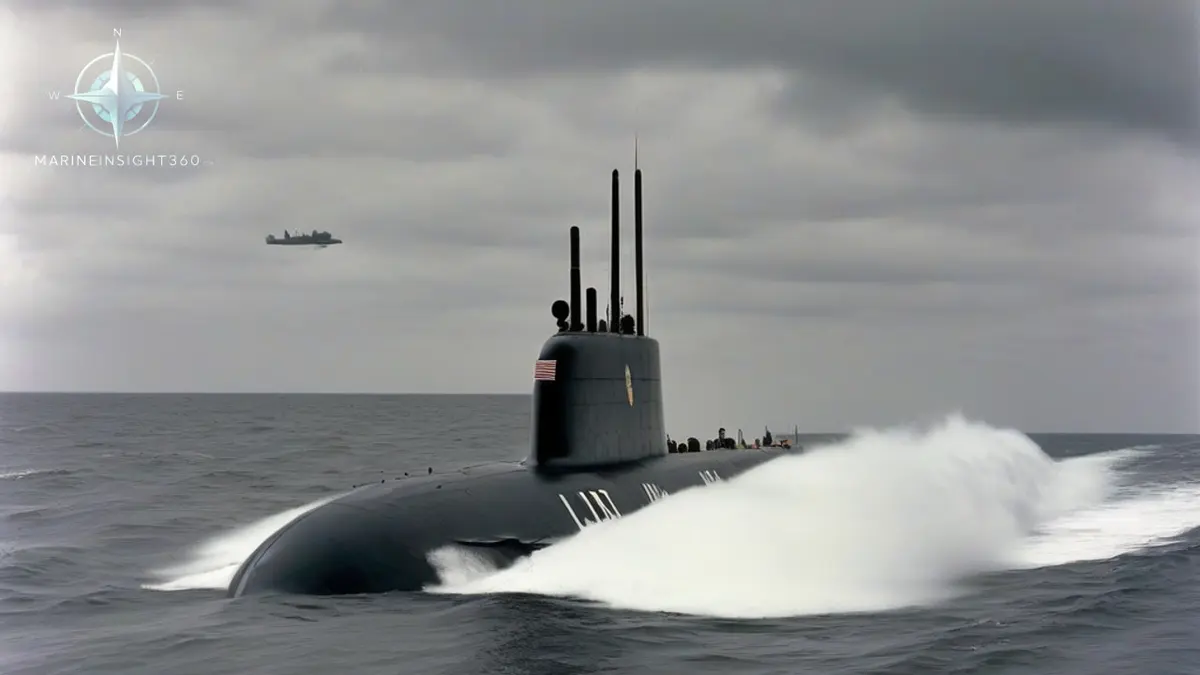
Fastest Submarine Records is the focus of this article because it connects marine engineers, engine ratings and technical managers with the wider question behind Fastest Submarine Records.
What Is the Fastest Submarine? The Soviet K‑222 Sets the Record
In December 1969, the Soviet submarine K‑222 (Project 661 “Papa”) reportedly reached 44.7 knots (52 mph) during a sea trial that may have lasted twelve continuous hours. That speed remains the highest confirmed figure for any submarine, according to the limited data available outside Soviet archives.
Why Speed Matters for Submarines
Speed on a submarine is a double‑edged sword. Faster vessels can close gaps quickly, evade surface threats, and deliver rapid response to emerging situations. However, high velocity increases hydrodynamic drag, raises noise levels, and can compromise stealth and endurance. Operators must balance these factors against mission requirements.
The K‑222: Design Features That Fueled Its Speed
The K‑222’s design incorporated several elements that likely contributed to its record pace:
- Titanium pressure hull – Titanium offers high strength-to-weight ratio, reducing overall displacement and drag.
- Steam‑turbine nuclear reactors – Steam turbines can deliver high power output, enabling rapid acceleration and sustained high speed.
- Streamlined hull shape – While specific dimensions are not publicly documented, the vessel’s silhouette was optimized for speed rather than stealth.
Exact engineering details remain scarce, but the combination of lightweight construction and powerful propulsion is a common theme in high‑speed submarine design.
Operational Trade‑offs of High Speed
Operating a submarine at 44.7 knots imposes significant trade‑offs:
- Stealth – Higher speeds generate more noise and surface wake, making detection by passive sonar and radar easier.
- Endurance – Fuel and reactor burn rates increase, limiting the duration a submarine can maintain high speed before refueling or recharging.
- Maintenance – Rapid acceleration and deceleration stress hull and machinery, potentially shortening service life.
While the K‑222’s trial data suggest it could sustain the speed for a full day, the lack of independent verification means operators should treat these figures as indicative rather than definitive.
Legacy and Modern Context
Modern nuclear attack submarines, such as the U.S. Navy’s Virginia‑class or the Royal Navy’s Astute‑class, typically cruise at lower speeds (around 20–25 knots) to preserve stealth and endurance. The K‑222’s design may have influenced later classes, but the specific impact remains unclear due to limited documentation.
Even today, no contemporary submarine routinely matches the K‑222’s 44.7‑knot record. The trade‑offs of high speed—particularly noise and reduced stealth—have steered modern designs toward balanced performance rather than outright velocity.
How to Verify Speed Claims
Because the K‑222’s speed record is based on Soviet-era reports, independent verification is scarce. Seafarers and cadets looking to confirm such claims should:
- Consult declassified naval archives where available.
- Cross‑reference with third‑party research, such as the IFLScience article that cites the 44.7‑knot figure.
- Review technical specifications of similar vessels to gauge plausibility.
Until more data surface, treat the K‑222’s speed as a benchmark rather than a definitive standard.
What This Means for Your Operations
For ship operators and naval planners, the K‑222’s record highlights the importance of aligning vessel capabilities with mission profiles. If a high‑speed response is critical, consider the accompanying noise signature and endurance limits. Conversely, if stealth and long‑range patrol are priorities, a lower‑speed, quieter design may be preferable.
Cadets and crew should be aware that operating at maximum speed can strain systems and increase maintenance demands. Training should emphasize speed‑related safety procedures and the impact on acoustic signatures.
Next Steps for Seafarers
To deepen your understanding of submarine performance, explore Marine Insight 360’s Marine Machinery and Shipboard Operations sections. For career guidance, visit the Merchant Navy Careers page. If you need technical verification, consult the Knowledge Base for up‑to‑date naval specifications.
Why this matters
Fastest Submarine Records matters because maritime decisions rarely sit in one department. A route story may affect insurance, crew planning and cargo timing. A machinery topic may affect maintenance, safety permits and spare-part planning. A career question may affect training, documents and joining readiness.
For readers in the United States, United Kingdom, Europe, Canada, Australia, Singapore and other mature maritime markets, the useful angle is practical: what changes, what remains uncertain, and which checks should happen before a decision is made.
Operational context
In daily maritime work, fastest submarine records should be compared with vessel type, flag requirements, company procedures, port expectations, cargo risk and crew competence. The same topic can look different on a container ship, bulk carrier, tanker, offshore vessel, training ship or shore-side logistics desk.
That is why this article avoids treating the subject as a standalone headline. It connects the issue with the checks that marine engineers, engine ratings and technical managers can use when reading a report, preparing for a voyage, reviewing a procedure or planning a career step.
For related equipment checks and troubleshooting guides, continue with the marine machinery knowledge base.
Recommended Reading
Typhoon Class Submarine: The Biggest Boats Ever Sent Under the Sea
The Soviet Typhoon class submarine remains the largest ever built: twin pressure hulls, 20 missile silos, and why nothing since has matched its size.
What is the World’s Fastest Submarine?
What is the World’s Fastest Submarine?: ports, trade and shipping-market context for US, UK, Canada, Australia, Singapore and European maritime readers.
Largest Submarine: Typhoon Class
Find the exact size, displacement and fate of the Typhoon‑class, the world’s largest submarine, and see how it stacks up against US Ohio and other classes.