
Largest Submarine: Typhoon Class
Find the exact size, displacement and fate of the Typhoon‑class, the world’s largest submarine, and see how it stacks up against US Ohio and other classes.
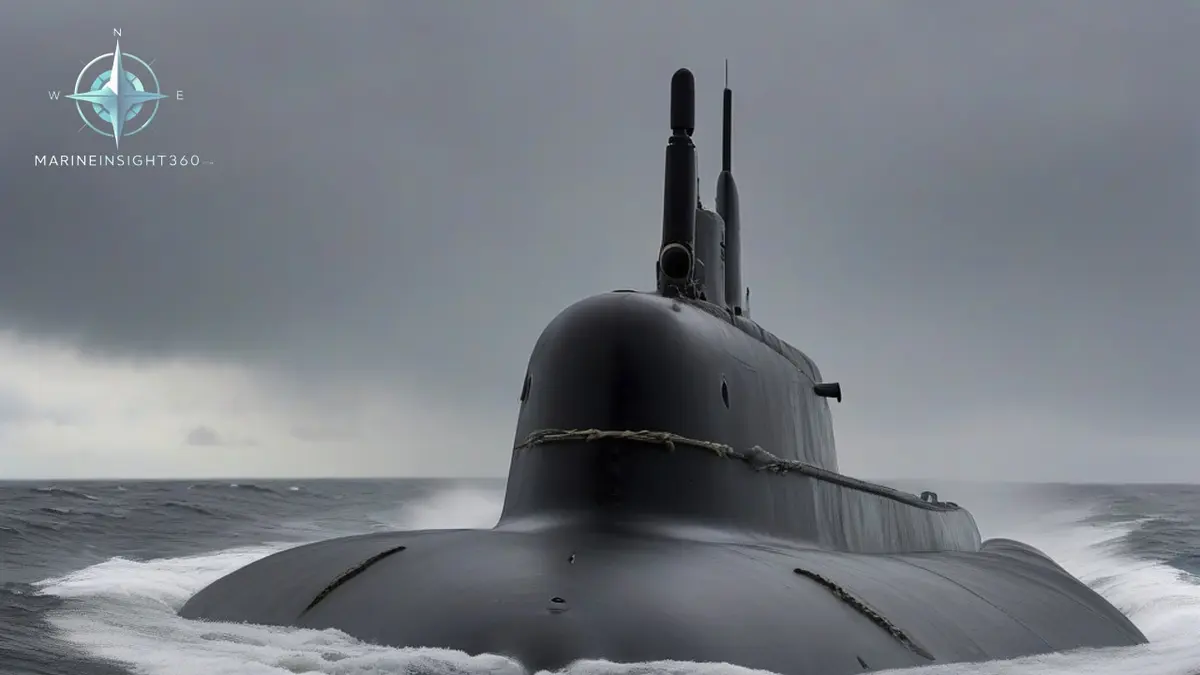
Why the Typhoon‑class Holds the Record for Size
The Soviet‑Russian Typhoon‑class (Project 941 Akula) is the largest submarine ever built. Its 175 m (574 ft) length, 23 m (75 ft 6 in) beam and 48 000 t (47 240 long‑ton) submerged displacement give it a physical presence unmatched by any other boat in history.
Key Design Features That Set the Typhoon Apart
Designed in the 1970s to carry multiple ballistic missiles and survive a nuclear exchange, the Typhoon‑class combines sheer size with strategic capability. Six boats were completed, each equipped with a 16‑tube missile system and a massive nuclear reactor that could sustain operations for months.
Operational History and the Fate of the Last Typhoon
All six submarines entered service with the Soviet Navy and later the Russian Navy. Only one, the Dmitry Donskoy (TK‑208), remained active into the 21st century. It was decommissioned in February 2023 and announced to become a museum ship in Saint Petersburg.
How the Typhoon Compares to Other Large Submarines
Ohio‑class (United States)
The Ohio‑class ballistic‑missile submarines are the largest nuclear‑powered attack boats still in active service. They are about 170 m (558 ft) long and displace roughly 18 000 t submerged.
Sōryū‑class (Japan)
Japan’s Sōryū‑class attack submarines are 84 m (276 ft) long with a displacement near 4 800 t, far smaller than the Typhoon but still significant in the modern fleet.
Belgorod (Project 10831, Russia)
The newer Belgorod class has a submerged displacement of about 24 000 t, roughly half the size of the Typhoon but still one of the largest in the world.
Strategic Trade‑offs of Building a Giant Submarine
Size brings capability but also cost. Each refit could take years and cost billions of rubles. Maintenance expenses were high, and the sheer volume of equipment and crew space required complex logistics. Operators had to balance the strategic advantage of a large missile platform against the financial burden of upkeep.
What to Watch for: Museum Plans and Future Design Trends
Stakeholders in maritime heritage should monitor the museum conversion of Dmitry Donskoy. Naval architects and shipowners also keep an eye on whether any future designs will revisit the “giant” concept, especially as new propulsion and stealth technologies evolve.
Next Steps for Seafarers and Shipping Professionals
For those interested in naval architecture, review the Marine Insight 360 “Marine Machinery” section for deeper insights into submarine propulsion and design. If you’re a historian or enthusiast, the upcoming museum opening offers a unique opportunity to see the world’s largest submarine up close.
Why this matters
Largest Submarine matters because maritime decisions rarely sit in one department. A route story may affect insurance, crew planning and cargo timing. A machinery topic may affect maintenance, safety permits and spare-part planning. A career question may affect training, documents and joining readiness.
For readers in the United States, United Kingdom, Europe, Canada, Australia, Singapore and other mature maritime markets, the useful angle is practical: what changes, what remains uncertain, and which checks should happen before a decision is made.
Operational context
In daily maritime work, largest submarine should be compared with vessel type, flag requirements, company procedures, port expectations, cargo risk and crew competence. The same topic can look different on a container ship, bulk carrier, tanker, offshore vessel, training ship or shore-side logistics desk.
That is why this article avoids treating the subject as a standalone headline. It connects the issue with the checks that marine engineers, engine ratings and technical managers can use when reading a report, preparing for a voyage, reviewing a procedure or planning a career step.
Checks for readers
- Identify whether the topic affects safety, compliance, maintenance, navigation, cargo, careers or commercial planning.
- Confirm the latest company procedure, official notice, training requirement or port instruction before acting.
- Separate background context from instructions that require a qualified officer, engineer, surveyor or shore-side approval.
- Use related Marine Insight 360 pages to build a stronger topic cluster instead of reading one article in isolation.
Evidence and trust signals
A useful maritime article should show where the reader needs evidence, even when the page is an explainer rather than a breaking-news report. Look for dates, vessel context, source attribution, regulatory references, equipment details, route names, job requirements or operational constraints that can be verified.
When evidence is missing or the situation is changing, treat the article as a starting point. For safety-critical, legal, medical, immigration, training or commercial decisions, confirm the details through official channels and qualified professionals.
For related equipment checks and troubleshooting guides, continue with the marine machinery knowledge base.
Recommended Reading
Typhoon Class Submarine: The Biggest Boats Ever Sent Under the Sea
The Soviet Typhoon class submarine remains the largest ever built: twin pressure hulls, 20 missile silos, and why nothing since has matched its size.
Fastest Submarine Records
Find out which submarine holds the speed record, how the 44.7‑knot run was achieved, and why modern subs can’t beat it.
Largest Ships in Maritime History
Find out which vessel holds the record for length, gross tonnage and displacement. Includes specs for Seawise Giant, Pioneering Spirit and Shell Prelude.