
What is the World’s Fastest Submarine?
Submarines are an essential part of any country's naval fleet.
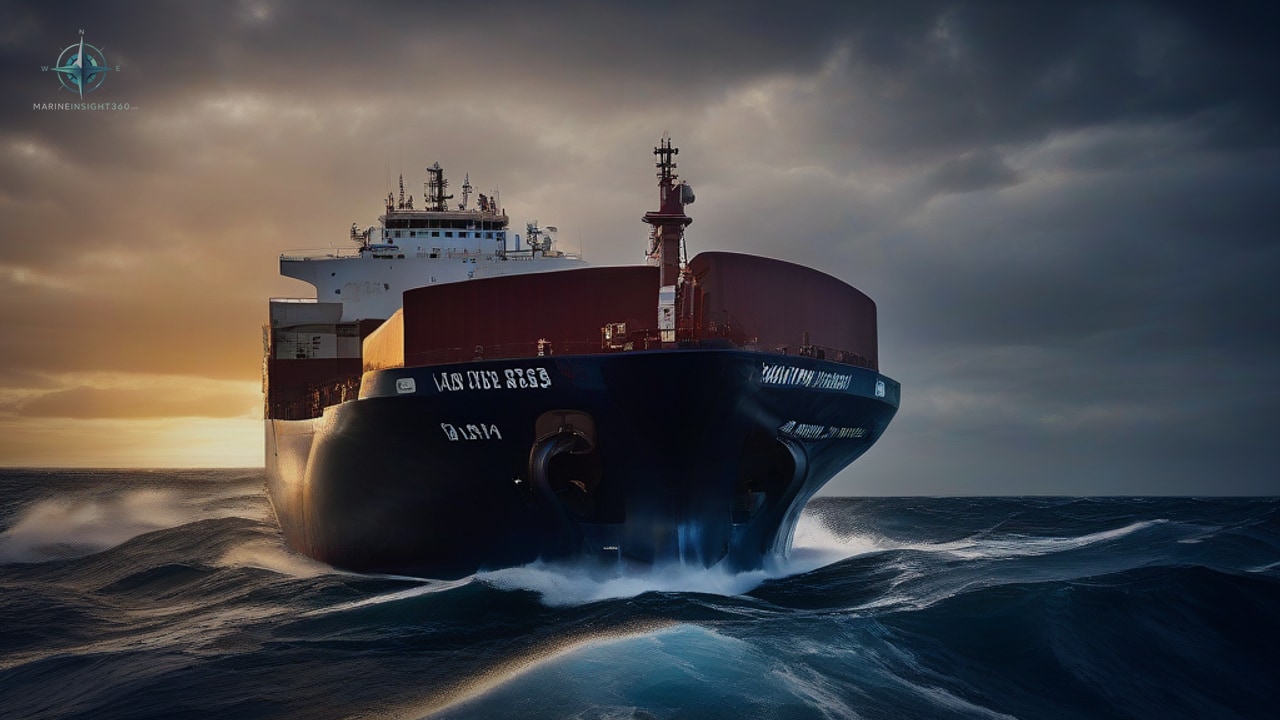
Submarines are a core part of most major navies. They can travel and gather intelligence underwater without being detected, lay mines off harbours, sink ships and fire missiles at targets far inland.
The fastest submarines are nuclear-powered. A reactor makes steam to drive turbines and the propeller, so the boat can run at high speed for long periods without surfacing.
The Soviet-era K-222 submarine reached 44.7 knots on trials in 1970, and it still holds the title of the fastest submarine in the world. Russia's Akula-class boats are credited with around 33 to 35 knots. The United States also operates fast, advanced submarines, such as the Seawolf and Virginia classes.
Diesel-electric and air-independent submarines are slower than nuclear boats and can only hold top speed for a short time on their batteries. Germany's Type 212A, France's Scorpène and Sweden's Gotland class can all make about 20 knots submerged. Among nuclear boats, the Soviet Alfa class, with its lead-bismuth cooled reactor, was the fastest production class, at over 40 knots.
A submarine's speed depends on its size, hull shape, propulsion plant and the water conditions. Designers also have to weigh speed against stealth, because a fast submarine is usually a noisy one.
Soviet K-222 - Fastest Submarine in the World
- Submarine: K-222 (Project 661 Anchar, NATO name Papa class)
- Country: Soviet Union
- Speed: 82.8 km/h [51.4 mph or 44.7 knots]
- Record set: 1970, during trials
K-222, originally named K-162, holds the record for the fastest speed ever reached by a submarine. She had a titanium alloy hull, and at full speed she was fast enough to outrun many of the torpedoes of her day.
She was the only boat built to the Project 661 design, which NATO called the Papa class. She was commissioned in 1969 and placed in reserve in 1988. A boat with that record might have ended up in a museum, but she was scrapped at Severodvinsk in 2010.
So what use is 80 km/h underwater? Speed let a submarine close on a target, escape an attacker or keep up with a fast carrier group.
For comparison, 80 km/h is a normal cruising speed for a car on an open road. K-222 could keep pace with a car on a coast road while fully submerged, which takes an enormous amount of power when you are pushing a 100-metre hull through water.
Detail Description
K-222 was designed and built more than 50 years ago at Severodvinsk, the northern port city that is home to Russia's main submarine yard. She is still the fastest submarine ever built, with a top speed of 82.8 kilometres per hour (44.7 knots).
The project began in 1958 on the orders of the Central Committee of the Communist Party and the Soviet Council of Ministers, as part of a programme to build a new type of high-speed submarine.
Construction ran through most of the 1960s, and she entered service at the end of 1969. She was nearly 107 metres long, nuclear-powered and armed with ten P-70 anti-ship cruise missiles and torpedoes. She was the first submarine with a titanium hull, which was lighter and stronger than steel but very hard and expensive to work with.
Her speed was the striking thing. On trials she beat the design speed of 38 knots, reaching about 42 knots.
In 1970 she reached 44.7 knots at full reactor power, a speed no other submarine has matched. The United States and NATO saw her as a serious technological threat. For comparison, the much later American Seawolf class is credited with about 35 knots (64 km/h). Running at that speed came at a price, though.
High speed put heavy stress on the hull, and the complex, expensive systems needed constant maintenance.
At full speed, noise inside the boat reached about 100 decibels, as loud as a crowded nightclub, and the flow noise made her easy to detect. In November 1980 a reactor accident during refuelling released radioactive steam into the machinery space, and she spent much of the following years out of service.
She was placed in reserve in 1988 and scrapped in 2010. Despite her problems, K-222 remains one of the best-known pieces of Soviet naval engineering.
Nobody has tried seriously to beat her record since, because navies now value quietness over outright speed.
Final Thoughts
Fast nuclear submarines like the Alfa class were also very noisy, which matters because a submarine's main job is gathering intelligence, carrying out covert operations and deterring an enemy without being found.
For most naval work, a submarine that can make 25 to 30 knots, stays quiet and carries modern weapons is more useful than a record breaker.
Newer submarine designs are being built with that balance in mind, to support national security for the navies that operate them.
Recommended Reading
How are submarine cables installed on cable vessels?
With the booming global telecommunications industry, the demand for submarine communications has grown in tandem.
Best Submarine Movies of All Time
Submarines are essentially the movie set of thrillers: dim red lights on the bridge, reflective surfaces dripping with water. Above all, submarines are…
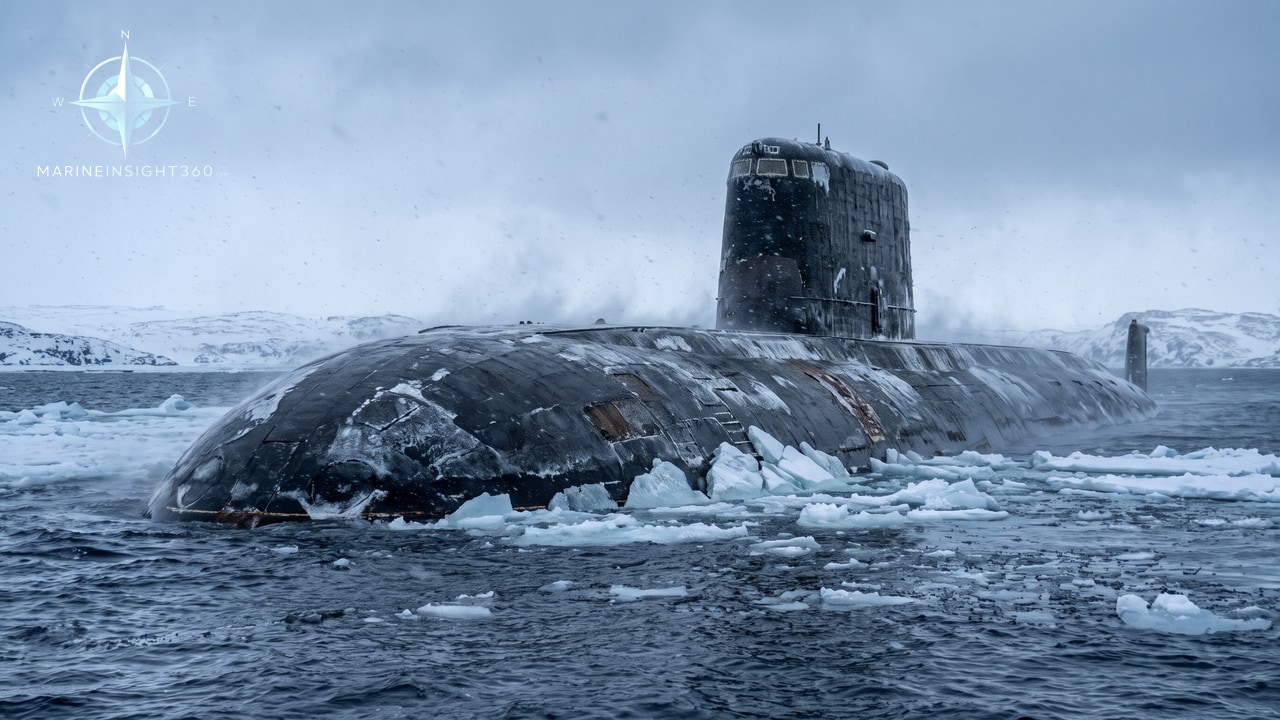
Typhoon Class Submarine: The Biggest Boats Ever Sent Under the Sea
The Soviet Typhoon class submarine remains the largest ever built: twin pressure hulls, 20 missile silos, and why nothing since has matched its size.