
Fly In Fly Out Offshore Rig Jobs: Rotations, Certificates and Realistic Routes In
Fly in fly out offshore rig jobs explained: common rotations, the BOSIET and HUET tickets you cannot board without, entry roles, and how offshore pay is built.
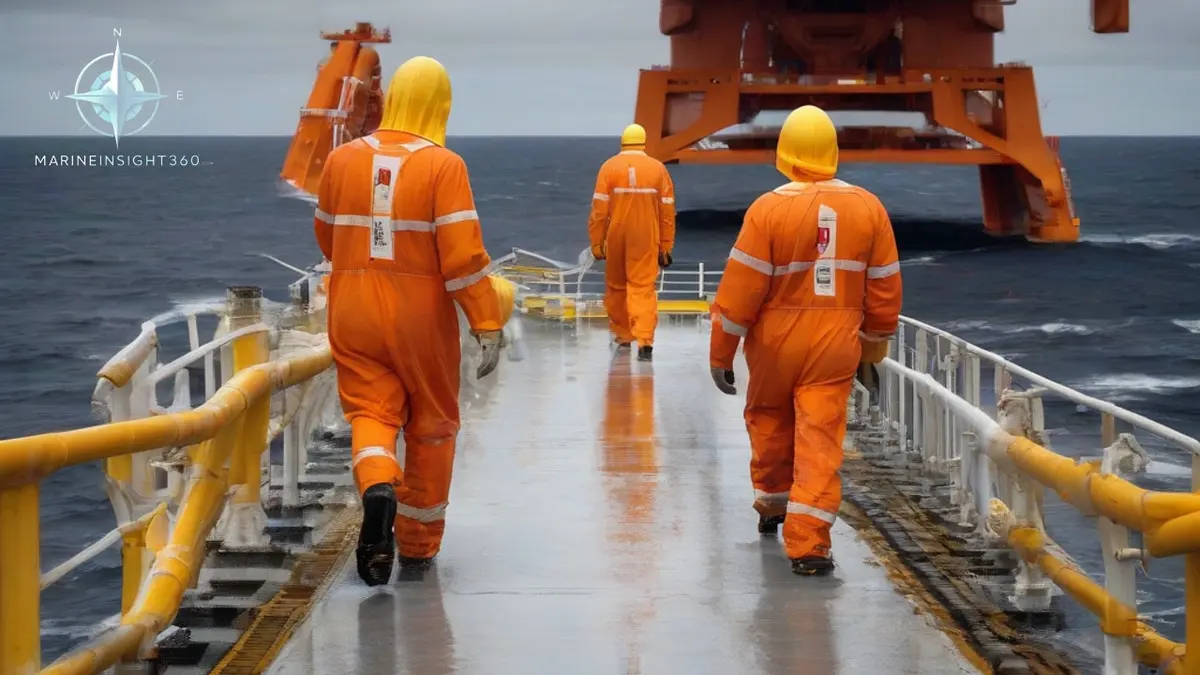
What fly in fly out means offshore
Fly in fly out offshore rig jobs are rotational roles where the employer flies you to an offshore installation by helicopter, you live and work on board for a fixed block of days, then fly home for an equivalent or shorter break. The rotation is contractual, the travel is arranged and paid by the company, and you cannot board without a specific set of survival and medical certificates.
The model covers drilling rigs, production platforms, floating production units and, increasingly, offshore wind installations.
Common rotations and what they do to your life
- 7 on, 7 off. Common on shorter range assets and support roles. Frequent travel, short blocks away.
- 14 on, 14 off. The most widespread offshore pattern in the North Sea and in Australia.
- 21 on, 21 off and 28 on, 28 off. Typical on remote or international assignments where travel is long and expensive.
- Long blocks with short leave, such as six weeks on and three off, appear on international contracts and change the economics considerably.
Work days offshore are usually 12 hours, seven days a week, with no days off inside the hitch. A 14 and 14 rotation therefore works out closer to 2,190 hours a year than to a standard 40 hour week. That is the honest reason offshore pay looks high.
The certificates you cannot board without
Offshore survival training is the gate. The recognized standard is BOSIET, Basic Offshore Safety Induction and Emergency Training, approved by OPITO, the industry body that sets and audits offshore training standards.
A combined BOSIET runs about three days and covers safety induction, fire safety and basic firefighting, first aid, sea survival, and helicopter underwater escape training (HUET). HUET is delivered with either a compressed air emergency breathing system or a rebreather system, depending on the region and the program.
There are no training prerequisites for BOSIET, but you must bring valid photographic identification and a current offshore medical certificate or an employer approved equivalent. Candidates must be physically able to complete demanding and stressful in-water exercises. Training centers refer anyone in doubt to a medical officer familiar with HUET.
Alongside BOSIET, most UK and European employers require a minimum industry safety induction and a valid offshore medical examination. Marine crew on mobile offshore drilling units often need STCW basic safety training as well, because those units are certificated as ships.
Realistic entry routes
Very few people walk onto an installation with no background. The routes that work:
- Trade first. Mechanical, electrical, instrumentation, welding, scaffolding, rope access and crane trades transfer directly and are recruited constantly.
- Catering and support. Steward, cook and camp boss roles are a genuine way onto an installation and into the internal job market.
- Drilling ladder. Roustabout to roughneck to derrickhand to driller remains the core progression on drilling units.
- Marine side. Seafarers with STCW certificates move into ballast control, barge engineer and marine crew positions on drilling units and floating production vessels.
- Offshore wind. Technicians with recognized wind industry safety training and an electrical or mechanical background are the fastest growing entry point.
Paying for BOSIET before you hold an offer is a common and expensive mistake. Certificates expire after a set period, and many employers fund or reimburse the training once you are hired.
How offshore pay is built
Offshore packages rarely reduce to one salary line. Look for the day rate or annual base, whether travel days are paid, offshore allowances, overtime treatment inside the hitch, standby pay when weather cancels a flight, and who funds certificate renewals. Contractor roles usually pay a higher headline rate with no sick pay, pension or leave accrual. Staff roles pay less on paper and more in security.
Convert every offer into pay per day actually worked, then compare days at home. Two contracts with the same annual figure can differ by months of leave.
Before you accept
- Confirm which heliport you fly from and whether travel to it is paid or reimbursed.
- Check baggage and weight limits, and whether survival suits and protective equipment are supplied.
- Ask what happens to pay when weather cancels a flight at either end of the hitch.
- Confirm the medical standard applied and who pays for the examination.
- Ask how cabins are allocated. Sharing a bunk across shifts is normal on a busy installation and worth knowing about in advance.
Get the offer and the rotation in writing before you book any training. For offshore certification pathways and vessel side offshore roles, see the Careers and Shipboard Operations sections on Marine Insight 360.
Certificates are only worth what the accepting body says they are. Marine crew on mobile drilling units hold STCW certificates issued or endorsed by a flag state administration such as the MCA or AMSA, and those are separate from the offshore survival training an operator requires. A US Gulf role adds USCG credentialing. Check which set the specific job needs before paying for either.
Applications fail at predictable points. The offshore medical is the first: uncontrolled blood pressure, poorly controlled diabetes or recent surgery gets you deferred rather than refused, but the hitch goes to someone else. Helicopter operators also apply body size and weight limits tied to emergency exit windows. The common mistake is buying survival training first and discovering the medical afterwards.
Sources and further reading
- BOSIET with Compressed Air Emergency Breathing System - OPITO
- Essential Offshore Safety Training: BOSIET and HUET - OPITO
- Fly-in fly-out
What to read next
Recommended Reading
Merchant Marine Jobs: Credentials, Routes and Who Is Hiring
Who employs US merchant mariners, how the Merchant Mariner Credential and TWIC work, and the entry-level, academy, union and Military Sealift Command routes.
Maritime Career Guide: Routes to Sea, Certificates and Where the Ladder Leads
A practical maritime career guide covering deck, engine and ETO routes, cadetships, STCW certificates, sea time, progression to master and shore-based moves.

10 Most Popular Offshore Oil Rig Jobs for 2025
10 Most Popular Offshore Oil Rig Jobs for 2025: career, certification and hiring context for US, UK, Canada, Australia, Singapore and European maritime...