
GMDSS Certificate: GOC and ROC Compared, and Which One You Need
What a GMDSS certificate covers, how the GOC and ROC differ by sea area and equipment, how training and revalidation work, and what inspectors check.
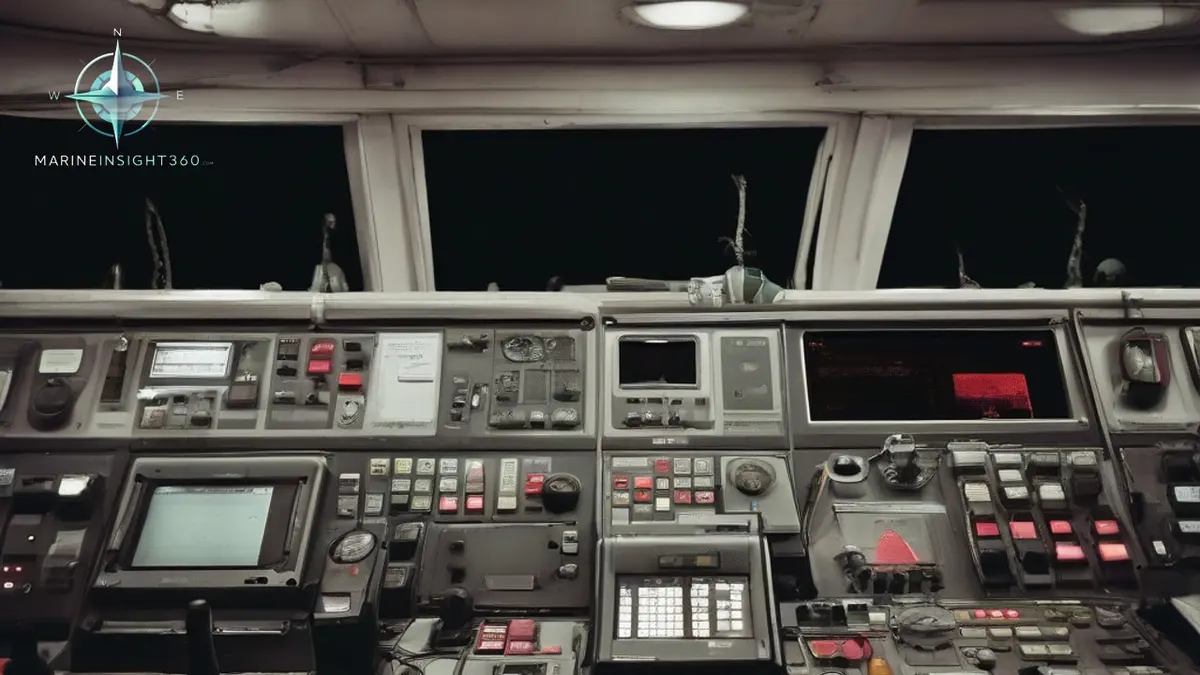
A GMDSS certificate is the radio operator qualification that lets you legally operate a ship Global Maritime Distress and Safety System installation. Two levels matter at sea: the General Operator Certificate, or GOC, for ships trading anywhere in sea areas A1 to A4, and the Restricted Operator Certificate, or ROC, for ships that stay inside sea area A1. Both sit under STCW Chapter IV.
Which one you need is decided by the trading area of the ship, not by your rank or your preference. Put an ROC holder alone on a ship trading beyond A1 and the vessel is non compliant, which is a finding port state control acts on.
Sea areas decide which certificate applies
GMDSS divides the sea into four areas by the communications coverage available:
- A1: within VHF range of a shore station keeping a continuous digital selective calling watch, typically 20 to 30 nautical miles offshore.
- A2: within MF digital selective calling coverage of a shore station beyond A1, commonly around 100 nautical miles.
- A3: within the footprint of a recognized geostationary satellite service, covering most of the globe between roughly 76 degrees north and 76 degrees south.
- A4: everything remaining, meaning the polar regions, where HF is the backbone.
An ROC holder is qualified for VHF digital selective calling operation and the associated distress and safety procedures in area A1 only. A GOC holder is qualified across all four areas and for the full equipment fit.
What each certificate authorizes you to operate
GOC holders are certified for the complete GMDSS installation: VHF and MF or HF radiotelephony, digital selective calling on all bands, radio telex where fitted, satellite ship earth stations, emergency position indicating radio beacons, search and rescue transponders, and survival craft portable radios. The syllabus covers distress alerting and relay, urgency and safety traffic, reception of maritime safety information, battery and power supply checks, and false alert cancellation.
The ROC covers the same procedural discipline at VHF scale: distress alerting, acknowledgment and relay on channel 70, working traffic on channel 16 and the working channels, beacon and transponder handling, and the daily and weekly test regime. It is the minimum professional maritime radio qualification and it satisfies STCW for area A1 service.
How training and examination work
Both certificates come from an approved course at a maritime college or accredited training provider, followed by written and practical assessment. Courses run on GMDSS simulators, because assessment is not only about knowing the sequence but about executing it on realistic console layouts under time pressure. GOC courses typically run over one to two weeks depending on the provider and the country. ROC courses are considerably shorter.
Administrations differ on issuance. In the United Kingdom the certificate is issued through the Maritime and Coastguard Agency. In the United States the operator license itself comes from the Federal Communications Commission, with the STCW endorsement added by the Coast Guard on the Merchant Mariner Credential. Check the route for your flag before booking, because a certificate issued by one country is not automatically endorsed by another.
Revalidation is where certificates lapse
GMDSS certificates require periodic revalidation, generally on a five year cycle aligned with the rest of your STCW documentation. Revalidation normally rests on recent relevant sea service or on an approved updating course with assessment. Officers who have spent several years ashore, or on tonnage without a full GMDSS fit, are the ones most often caught out.
Keep the GMDSS expiry in the same calendar entry as your certificate of competency and your medical. They are three separate clocks and they rarely align on their own.
What separates a competent operator from a certificated one
Passing the course is not the same as being credible on watch. Three habits make the difference:
- Knowing the false alert cancellation procedure without hesitation. Accidental alerts happen, and the correct response is immediate cancellation on the same medium plus a voice message to the coast station, never silence.
- Keeping the radio log, battery test records and the weekly and monthly test entries current. Inspectors read those before touching a single control.
- Confirming the position feed into the digital selective calling controller. A distress alert carrying a stale or missing position wastes the first minutes of a search.
Next step
Match the certificate to the trading pattern you actually expect: ROC if your career is coastal and inside A1, GOC if you intend to sail deep sea or move between flags. Our Shipboard Operations section covers the bridge routines that surround the radio watch, including test schedules and log keeping.
Where GMDSS goes wrong at sea is rarely the operator's certificate. Port state control officers under the Paris MoU and Tokyo MoU regimes write up radio deficiencies for reserve batteries that fail a load test, corroded terminals, EPIRB batteries and hydrostatic releases past their expiry date, and radio logs with weeks of missing test entries. Each is a defect the ship carries into the next inspection.
The other recurring failure is identity. A distress alert carries the ship's MMSI, and after a sale, a change of flag or a rename the number in the DSC controller and the EPIRB registration often still points at the previous owner. Coast guard rescue centres treat a mismatched or unregistered alert as a probable false alarm, which costs the minutes that matter most.
Sources and further reading
- GMDSS training and certification bulletin - US Coast Guard Navigation Center
- GMDSS General Operators Certificate course - Warsash Maritime
- STCW requirements for GMDSS radio operators
What to read next
Recommended Reading

ENG1 Medical Certificate: What the UK Seafarer Medical Involves
The ENG1 medical certificate explained: who needs one, what the MCA approved doctor checks, eyesight standards, validity periods, restrictions and reviews.

How to Be a Deck Cadet in the Merchant Navy: Sponsorship, Sea Time and the Certificate
Sponsorship, medical and academic entry rules, cadetship structure, sea time requirements and the training record book habits that decide if you pass OOW.
Swedish Navy Spots Vessels Suspected of Sabotage: What Baltic Crews Need to Know
How Baltic states track and board ships after undersea cable damage, what the law of the sea allows, and how merchant crews stay clear.