
Indian Navy secures cargo ship following pirate attack in Gulf of Aden
Indian Navy secures cargo ship following pirate attack in Gulf of Aden: safety, training and compliance context for US, UK, Canada, Australia,...
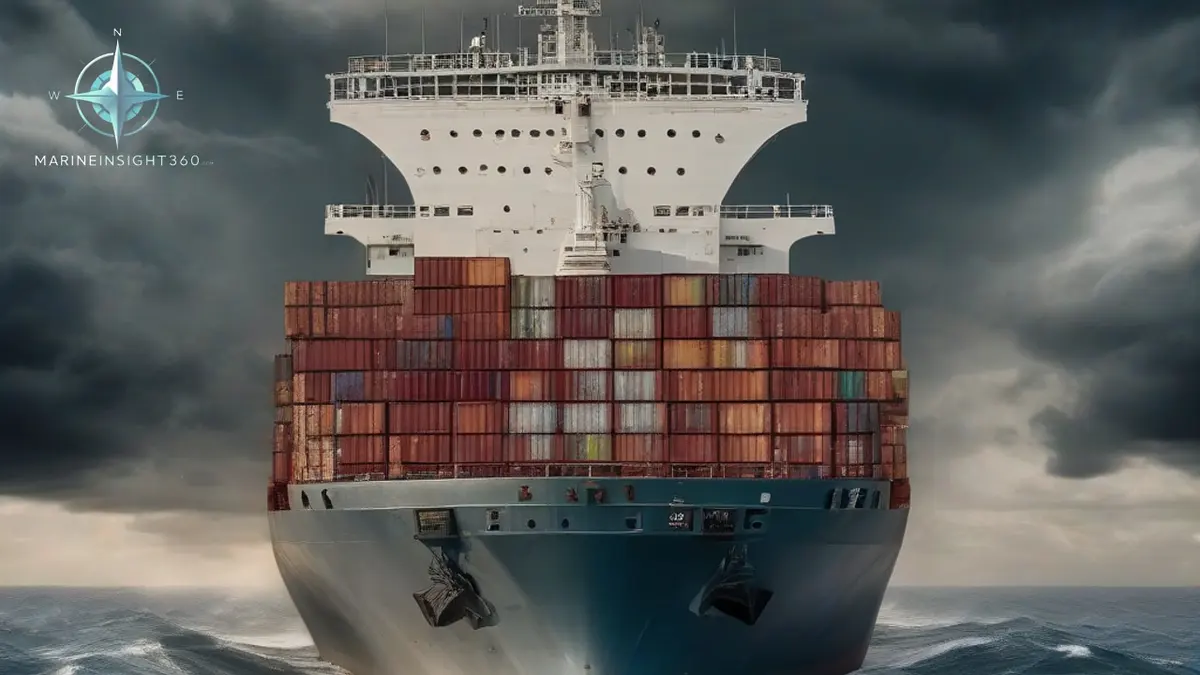
Indian Navy marine commandos aboard INS Trikand boarded the cargo ship MV Golden Arsenal in the Gulf of Aden, and the vessel and its 21 crew are safe after the pirate threat was neutralised.
Indian Navy secures cargo ship following pirate attack in Gulf of Aden
The Indian Navy’s Marine Commandos (MARCOS) aboard INS Trikand successfully prevented a piracy attempt on the foreign‑flagged cargo vessel MV Golden Arsenal in the Gulf of Aden. The ship was carrying critical cargo bound for India when suspected pirates approached. After a swift boarding operation, the vessel and its crew were declared safe and the threat neutralised.
What Happened?
At an undisclosed time in the Gulf of Aden, MV Golden Arsenal was targeted by suspected pirates. The Indian Navy’s warship INS Trikand, equipped with MARCOS, was dispatched to the area. MARCOS boarded the cargo vessel, secured the ship and its 21 crew members, and ensured that the cargo remained intact. The operation concluded with the ship declared safe and the immediate threat eliminated.
Key Players
- INS Trikand – Indian Navy warship that responded to the piracy threat.
- MARCOS – Indian Navy’s elite Marine Commandos who executed the boarding.
- MV Golden Arsenal – Foreign‑flagged cargo ship carrying critical cargo for India.
Why This Matters to Seafarers
For seafarers, cadets, and shipping professionals, this incident highlights several practical points:
- Rapid Response Is Crucial – The Indian Navy’s quick deployment prevented the vessel from being seized.
- Effective Communication – The ship’s master and crew maintained clear contact with naval forces, allowing a coordinated response.
- Security Protocols Work – MARCOS boarding procedures ensured crew safety and cargo protection.
- Preparedness Pays Off – Having a contingency plan for piracy can reduce risk and downtime.
Decision Criteria for Shipping Companies
When operating in piracy‑prone waters, companies should consider the following:
- Route Planning – Avoid high‑risk zones when possible; use secure shipping lanes.
- Security Partnerships – Engage with naval forces or private security firms for real‑time support.
- Crew Training – Ensure that all crew members know how to react to piracy threats and how to communicate with authorities.
- Cargo Valuation – Prioritise protection of high‑value or critical cargo, as in the case of MV Golden Arsenal.
- Incident Reporting – Report any suspicious activity immediately to maritime authorities and the ship’s master.
Common Mistakes to Avoid
Even with good procedures, some pitfalls can undermine security:
- Underestimating Threats – Assuming that a single incident is isolated can lead to complacency.
- Inadequate Communication – Failing to keep naval forces informed delays response times.
- Ignoring Crew Input – Crew observations are often the first indicator of a threat.
- Overreliance on Technology – While radar and AIS are valuable, they cannot replace human vigilance.
What did the crew experience during the boarding?
During the boarding, the crew of MV Golden Arsenal remained calm and followed the instructions of MARCOS. The ship’s master coordinated with the Indian Navy, ensuring that the operation proceeded smoothly. After the threat was neutralised, the crew was allowed to resume normal operations, and the cargo remained secure.
Broader Context: Indian Navy’s Anti‑Piracy Role
INS Trikand’s intervention is part of a broader effort by the Indian Navy to protect commercial shipping in the Western Indian Ocean. The navy has previously thwarted attacks on other vessels, such as MV Mashallah 1, demonstrating a consistent commitment to maritime security in the region.
What BMP5 asks of a ship crossing the Gulf of Aden
BMP5 is the counter-piracy guidance published jointly by BIMCO, ICS, INTERTANKO, OCIMF and the International Group of P and I Clubs. It is not law, but flag states, charterers and war risk underwriters treat it as the standard a ship is measured against after an incident.
Before entering the area the ship registers the transit with MSCHOA and reports to UKMTO, then sends daily position reports. Through the Gulf of Aden it uses the Internationally Recommended Transit Corridor, where naval patrols concentrate and where group transits are organised.
Physical hardening follows: razor wire along the vulnerable freeboard, charged fire hoses, controlled and locked access to the accommodation, bridge window protection, and a citadel with its own independent communications.
Speed and freeboard decide more than equipment does. A skiff needs to get a ladder on board, which is why the laden, low and slow ship is the one that gets taken. Where the voyage allows it, extra speed through the corridor is a security measure and not a fuel decision.
The citadel is where drills fail. It works only if every person on board is inside and accounted for, because a naval boarding party will not attempt a recovery while anyone is unaccounted for. A muster that is one person short is worse than no citadel at all.
Next Steps for Seafarers and Shipping Professionals
To build on the lessons from this incident:
- Review your vessel’s piracy‑response plan and update it if necessary.
- Conduct regular drills with crew and security teams.
- Establish clear lines of communication with naval authorities.
- Stay informed about piracy hotspots and adjust routes accordingly.
For more detailed guidance on shipboard security and anti‑piracy measures, visit the Shipboard Operations section of Marine Insight 360.
Recommended Reading
Average Merchant Navy Salary in US & UK
The Merchant Navy offers a thrilling career, blending high seas adventure with competitive salaries and global travel. Whether you’re eyeing a role as a…
Average Merchant Navy Salary in the UK & USA
A UK Merchant Navy salary is determined based on rank position, experience level, ship type, and employment status between private shipping companies and…
Navy or Marines: What's different?
Navy or Marines: What's different?: career, certification and hiring context for US, UK, Canada, Australia, Singapore and European maritime readers.