
How To Join Merchant Marine Of Liberia
Joining Liberia's merchant marine requires Liberian Registry qualifications, STCW certification, medical and physical fitness, and a seafarer's book.
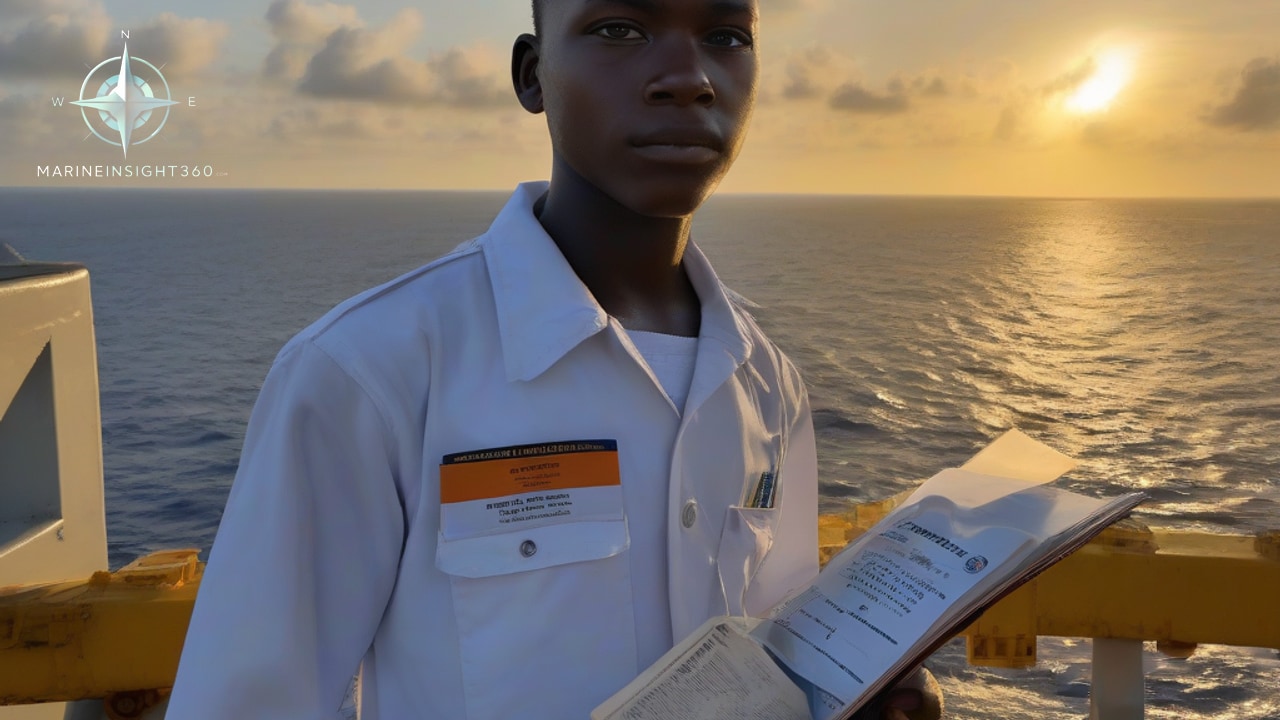
Joining the merchant marine of Liberia requires the Liberian Registry's qualifications, STCW certification, medical and physical fitness, and a Liberian seafarer's book, after which recruitment agencies or shipping companies place applicants on Liberian-flagged vessels.
To join merchant Navy of Liberia, people ordinarily start with the fundamental qualifications and requirements set forth by the Liberian Registry. It is one of the world's leading maritime organizations. The route may include getting relevant maritime education and certifications, plus meeting medical and physical fitness guidelines. Candidates must secure vital documentation such as a Liberian Seafarer's Book. Once individuals meet these prerequisites, they can join the Merchant Navy of Liberia through maritime recruitment agencies. Another route goes directly to subsidiaries of shipping companies registered with the Liberian Registry.
Get Prepared
To join merchant Navy of Liberia, seafarers typically undergo specialized training at maritime education or training institutions. That path delivers basic certifications such as STCW (Standards of Training, Certification, and Watchkeeping for Seafarers). Upon completion, they can join Liberian-flagged vessels by applying through maritime recruitment agencies or directly to shipping companies. Once onboard, they set sail and contribute their skills and expertise to the worldwide maritime industry. That work is done under the flag of Liberia, which has one of the largest ship registries in the world.
Choosing the Institution
When selecting a maritime agency, people aspiring to join merchant Navy of Liberia ought to prioritize trustworthy agencies. Look for a track record of successfully placing seafarers on Liberian-flagged vessels. It's vital to research the agency's credibility, considering factors such as its accreditation, connections with shipping companies, and feedback from past candidates. Candidates ought to ensure that the agency offers support throughout the recruitment process. That backing includes help with documentation, training, and career advancement opportunities. It helps them make an informed decision that aligns with their career objectives and goals at sea.
Course and Specialization
When choosing a course and specialization to join merchant Navy of Liberia, people ought to consider their interests, strengths, and long-term career objectives. Key areas of specialization may include navigation, engineering, maritime administration, or maritime law. It's fundamental to investigate the requirements and opportunities related to each specialization. That work ensures alignment with personal interests and the demands of the maritime industry. By carefully selecting courses and specializations, people can secure the vital abilities and knowledge. Those abilities help them excel in their chosen field within the Liberian Merchant Marine, contributing effectively to the worldwide maritime sector.
Certification
Seafarers on Liberian-flagged vessels need Liberian documents issued through the Liberian Registry. All seafarers need a Liberian Seaman's Identification and Record Book (SIRB) and proof of STCW basic safety training. Officers also need a Liberian license, and Liberia requires the administration that issued their Certificate of Competency to verify that it is current and authentic. Ratings need the appropriate Liberian Special Qualification Certificates (SQCs).
Voyage
Setting out on a voyage in the maritime industry serves as a crucial step toward gaining practical experience. Through hands-on exposure onboard ships, people obtain basic abilities in navigation, seamanship, engineering, and maritime operations. These experiences give invaluable insights into the challenges and dynamics of life at sea. They cultivate the development of competence and capability, both vital for a successful career within the maritime sector.
Each voyage offers unique opportunities for learning and development, contributing to the journey toward becoming a seasoned seafarer. That applies within the Merchant Marine of Liberia or any maritime fleet.
Securing a Seafarer's Passport
Securing a Seafarer's Passport includes applying for a specialized custom-made travel document that meets the requirements of maritime professionals. A seafarer's home country or a maritime authority typically issues it. This passport serves as a verification of identity and facilitates worldwide travel for marine duties. Candidates must meet particular qualification criteria, including holding relevant maritime certifications and following medical and security requirements. Once obtained, the Seafarer's Passport can ease mobility across borders.
That mobility is fundamental for crew members working onboard vessels registered under different flags. Those flags include Liberia's.
Sail with STCW Certification
Sailing with STCW (Standards of Training, Certification, and Watchkeeping) certification is fundamental for maritime experts. It validates their competence to perform obligations onboard vessels around the world. This globally recognized certification ensures that seafarers have the fundamental skills and knowledge in safety, navigation, and emergency response procedures. With an STCW certification, people can confidently embark on voyages. The goal may be to join merchant Navy of Liberia or any worldwide fleet. They contribute to safe and efficient maritime operations while maintaining industry guidelines and regulations.
Search Jobs
If you're looking for employment in the maritime industry, there are a few avenues you can explore. You'll be able to begin by visiting online job portals. These specialize in maritime and shipping-related roles, such as MaritimeJobs or Indeed's maritime section. You can directly visit the websites of shipping companies, maritime recruitment agencies, or maritime industry associations, as they regularly advertise job openings on their platforms.
Networking with experts within the industry helps, and so does going to maritime job fairs or conferences. Joining online forums or social media groups dedicated to maritime careers can also give valuable job leads and opportunities.
Examination
If you have a medical examination coming up soon, it's essential to ensure you're prepared. Make sure you have all the essential documentation and data required for the examination. That includes identification, medical history and any pertinent medical records. It's also a good idea to get plenty of rest and remain hydrated in the days leading up to the exam. You may have particular concerns or questions about the examination.
Do not hesitate to reach out to the medical facility or your healthcare provider for clarification. Keep in mind to follow any instructions provided by the examining doctor closely to ensure a smooth and successful examination.
Immigration
Navigating the immigration area can be a straightforward process if you have all your documents prepared. Follow the regulations of the nation you're entering. Make sure you have your visa, if required, and any other necessary documentation ready for review. Be prepared to answer questions from immigration officers honestly and comply with any requests they may have. Pay attention to signs and follow instructions given by immigration authorities.
If you're uncertain about anything, do not hesitate to ask for clarification or help. Keep in mind to remain calm and affable throughout the process to facilitate a smooth entry into the nation.
Continuing Professional Development
Continuing Professional Development (CPD) is significant for people in various industries, including the maritime sector. It includes continuous learning and skill development to remain updated with industry trends, regulations, and best practices. Maritime experts can engage in CPD through various avenues, such as training courses, workshops, seminars, and conferences related to their field. They can also seek advanced education, certifications, or licenses to improve their skill and career prospects.
Staying informed through industry publications also helps, and so does networking with peers and participating in online forums. All of it contributes to continuous professional development. By prioritizing CPD, maritime experts can remain competitive, versatile, and capable in their roles while contributing effectively to the maritime industry's advancement.
Conclusion
Joining the merchant Navy of Liberia includes a few key steps. Aspiring people ought to begin by satisfying the essential qualifications and requirements set forth by the Liberia Maritime Authority. This typically includes getting pertinent maritime education and certifications, plus meeting medical and physical fitness standards. Candidates must secure vital documentation such as a Liberian Seafarer's Book. Once these requirements are met, people can apply for positions onboard Liberian-flagged vessels. Applications go through maritime recruitment agencies, or directly to shipping companies partnered with the Liberian Registry. By taking these steps and demonstrating dedication to their profession, people can set out on a fulfilling career within the merchant Navy of Liberia. They contribute their skills and expertise to the worldwide maritime industry under the flag of Liberia.
Recommended Reading
How To Join the Merchant Navy In the UK
To join the UK Merchant Navy you must be at least 16, pass a medical and fitness check, and train through a cadet program or a maritime college with MCA-approved courses.
Top Flag States in Shipping: Panama, Liberia and More
The world's biggest flag states, from Panama and Liberia to the Marshall Islands, Singapore, Hong Kong, Malta and the Bahamas, and why owners register ships there.
Average Merchant Navy Salary in US & UK
The Merchant Navy offers a thrilling career, blending high seas adventure with competitive salaries and global travel. Whether you’re eyeing a role as a…