
Top 10 Flag States In Ship World
Surprisingly, the countries with the largest Flag state are not the traditional naval powers one might expect. Instead, countries like Panama and Liberia…
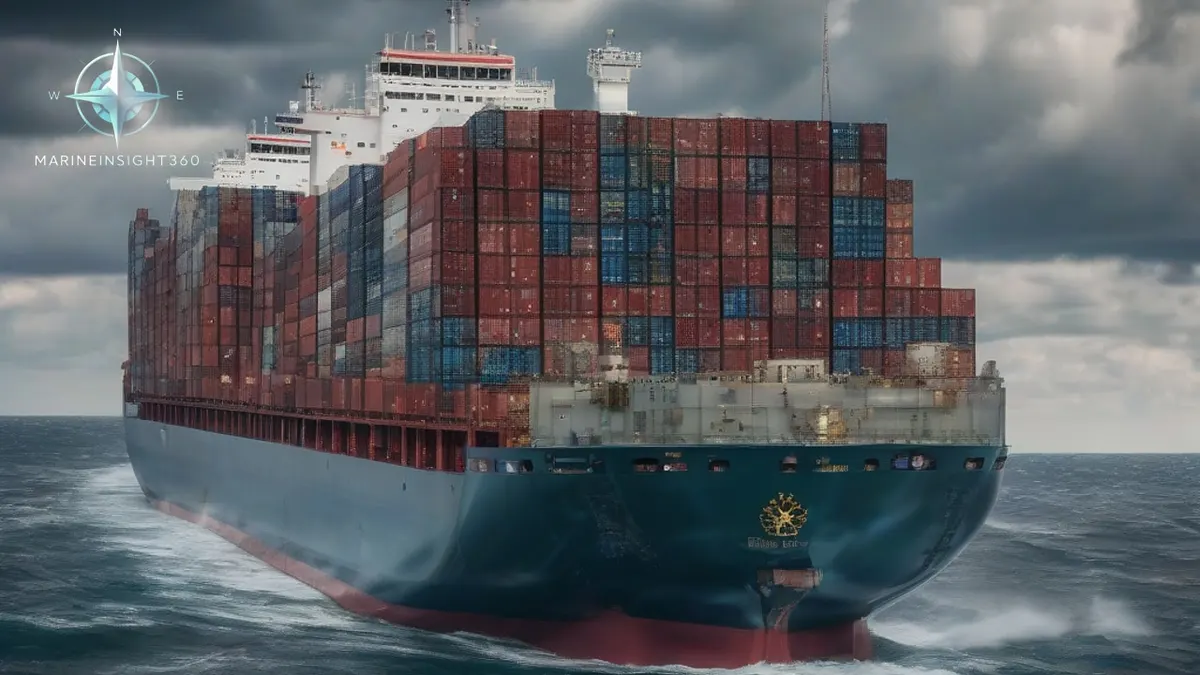
List Of Top 10 Flag States In Ship World
Surprisingly, the countries with the largest Flag state are not the traditional naval powers one might expect. Instead, countries like Panama and Liberia have become leading naval powers by virtue of their strategic position as maritime flag states.
The vibrant maritime landscape features large vessels from various countries, prominently displaying their respective flags. These countries offer favorable regulations, taxes, and support services to shipowners, allowing them to have a large naval fleet flying their flag.
Most global shipping operates using flags of convenience, where ships are registered in a country other than their country of ownership. This allows shipowners to circumvent regulations, controls, and taxes in their own country. As a result, competition between flag states to attract maritime vessels has intensified.
From Panama’s strategic location to Liberia’s partnership with Hyundai on eco-friendly ships, these countries have reshaped the maritime landscape. Their innovative practices not only attract a wide variety of naval vessels but also promote the development of advanced technologies and practices in the field of maritime transportation.
Key Points:
- The largest naval fleets are not necessarily traditional naval powers.
- Countries are strategically positioning themselves as attractive flag states for easy ship registration.
- Flags of convenience enable shipowners to circumvent various regulations and taxes.
- Competition between flag states is intensifying, with countries offering attractive offers.
- The innovative practices adopted by flag states attract a diverse range of maritime vessels and promote the adoption of advanced technologies.
Liberia: Fastest Growing Flag State
Liberia, located in West Africa, has made significant progress as the fastest-growing flag state in the shipping industry for two consecutive years. The Liberianflag state has seen rapid growth, attracting shipowners from major shipping powers such as Greece, Japan, China, Singapore, and the United States.
Liberia’s Attractive Services for Shipowners
With efficient operations, competitive prices, and innovative solutions, the Liberian registry has become a popular destination for shipowners. During the COVID-19 pandemic, the Liberian Registry took the lead in providing remote ship registration and inspection services to ensure continuous service to customers. This forward-looking initiative has boosted Liberia’s growth, with ship registrations increasing by 8.06% since January 2020, with an additional 13.8 million gross tons. Liberia’s success is due to several key factors:
- Lowering the cost of changing flags,
- Streamlining processes and procedures,
- Investing in advanced systems and software,
- Providing innovative and responsive services to shipowners,
- Advocating for practical solutions to industry challenges such as the crew change crisis,
- Liberia partners with Hyundai to develop eco-friendly ships.
Liberia is also leading the way in promoting eco-friendly ships and is working with Hyundai to develop hydrogen-powered cargo ships. This initiative underscores Liberia’s commitment to sustainable shipping. The partnership supports global efforts to improve shipping safety, efficiency, and environmental protection.
Liberia’s commitment to excellence and continuous improvement is reflected in its recent successful ISO 9001:2015 certification in partnership with Lloyd’s Register Quality Assurance in 2022. The Liberian Registry combines stringent ship and crew safety standards with innovative services for shipowners, making it a global leader.
Panama: The world's largest flag state
Panama is the world's largest flag state, with 9,367 ships and a total registered tonnage of 225 million tons. Its strategic location at the Panama Canal puts it at the intersection of global maritime trade routes connecting the Pacific and Atlantic Oceans.
Shipowners prefer to fly the Panamanian flag because of its open registration system. The system offers several advantages, including easy registration, tax exemptions, and lower labor costs. These advantages enable shipowners to maximize profits under the Panamanian flag.
Panama’s Strategic Location and Open Registry
Panama’s geographical advantages and business-friendly policies have attracted a significant portion of the global shipping fleet. Its open registry makes it a top choice for shipowners seeking to reduce costs and increase profits. Shipowners flying the Panamanian flag enjoy the following advantages:
- Streamlined registration process
- Income tax exemption
- Access to a cost-effective workforce
- High profit potential
These advantages have solidified Panama’s leadership in shipping, giving it a significant competitive edge.
Panama’s Impressive Growth and Global Fleet Share
Panama’s shipping industry has seen significant growth. In 2020, Panama’s shipping tonnage increased by 4.4% to 235 million gross tons. This growth has solidified Panama’s position as the world’s largest flag state, accounting for approximately 16% of the global fleet.
Panama’s dominance is evident, with 4,486 more ships registered than second-place China. This position not only strengthens Panama’s economic power but also its role in global trade. Panama’s registry generates nearly $500 million in fees, services, and taxes for the country’s economy.
Given that maritime trade remains vital to global trade, Panama’s position as the largest flag state will continue to be vital. Its strategic location, favorable policies, and strong growth have cemented its position as a cornerstone of the global shipping industry.
Singapore: Challenges for a Leading Ship Registry
The Singapore Shipping Registry (SRS), regulated by the Maritime and Port Authority of Singapore, is renowned for its excellence and innovation. Despite facing stiff competition from other registries, SRS has consistently remained the preferred choice for shipowners worldwide.
The Singapore Registry has a modern fleet that covers a wide range of vessels, including tankers, bulk carriers, and container ships. Recently, SRS has expanded its service scope to include offshore vessels, demonstrating its flexibility in meeting the needs of the maritime industry.
Singapore’s Latest Fleet and Growing Vessel Types
The Singapore Registry is renowned for its modern and advanced fleet, consolidating its position as a leading registry. Its vessels consistently exceed the global average, ensuring they are technologically advanced and adhere to stringent safety protocols.
The Singapore Registry (SRS) has been at the forefront of responding to the challenges of the pandemic. Since mid-2020, SRS has conducted more than 130 remote inspections, always prioritizing the safety of crew and surveyors. This forward-thinking approach ensures the registry adheres to safety and compliance standards while mitigating COVID-19 risks.
SRS also champions environmental sustainability, issuing Green Ship Certificates (GSP) to 29 Singapore-flagged vessels. The registry has rated 666 ships as “Green Ships” since 2011.
Marshall Islands: Leading Registry with a Modern, Environmentally Friendly Fleet
Marshall Islands-flagged ships are ideal for global open registries. Its fleet is very young, with an average age of only 11 years, which is significantly younger than that of other major registries. The Marshall Islands is a leader in the shipping industry, boasting a modern and efficient fleet.
The Marshall Islands Registry’s commitment to environmental protection is clearly visible in its fleet structure, with 27% of its vessels being environmentally friendly and equipped with green technology. This reflects the Marshall Islands Registry’s proactive stance in reducing environmental impact. The focus on sustainable development enhances its reputation and meets the global demand for environmentally friendly shipping.
The Marshall Islands Registry is home to 12% of the world’s gross tonnage, underscoring its appeal to shipowners seeking a reliable and efficient flag state. Additionally, 45% of its ships are engaged in international trade, underscoring its significant role in global maritime trade.
The Marshall Islands Registry is a leading container shipping registry, ranking in the top five globally, with 15% of the world’s container ships. With an average deadweight tonnage of 75,000 tonnes, its fleet is dominated by medium- and large-sized vessels, which can be used for a variety of operations, ranging from bulk carriers to specialized vessels.
The Marshall Islands Registry has a young, environmentally friendly, and diverse fleet, making it a preferred destination.
Hong Kong: Efficient Fleet and Support Services
The Hong Kong Shipping Registry is renowned for its young, environmentally friendly, and diverse fleet, making it an ideal choice for shipowners seeking a reliable flag state. The Hong Kong Shipping Registry’s commitment to sustainable development and professionalism in key shipping areas has cemented its leadership in the international shipping industry.
Hong Kong’s shipping industry is important in global maritime trade, with an efficient fleet and comprehensive support services. The Hong Kong flag is renowned for its commitment to quality, safety, and environmental sustainability, making it an ideal choice for shipowners worldwide. The Hong Kong Shipping Registry is a world-leading registry.
Hong Kong Regional Offices and Quality Control Procedures
Hong Kong has established regional offices in Shanghai, London, and Singapore to maintain high service standards and ensure quality control. These offices provide essential services, including new ship registration and emergency support for ships flying the Hong Kong flag.
Malta: A Prestigious Mediterranean Shipping Hub
Malta is the leading Mediterranean shipping hub with a world-class international ship registry. The Maltese flag is the largest in the EU and the sixth largest in the world, with a total registered tonnage of nearly 85 million tons at the end of 2020.
The maritime industry is vital, contributing more than 14% of Malta’s GDP, underscoring its importance in the global shipping landscape.
Malta’s Legal and Regulatory Platform
The Maltese flag is governed by the Merchant Shipping Act, a comprehensive law comprising approximately 400 articles divided into 10 parts. The Act has been updated several times since 1986 to adapt to changes in the maritime industry. The legal framework supports ship registration and bareboat chartering, and is free of trade restrictions, making it an ideal choice for shipowners.
Malta adheres to key conventions of the International Maritime Organization (IMO) and the International Labour Organization (ILO), ensuring compliance with international standards. It has met all 18 standards set by the International Chamber of Shipping (ICS), cementing its position as a trusted registry.
Malta’s Incentives for Shipowners and Eco-Friendly Ships
The Malta Shipping Registry has experienced significant growth, with its gross tonnage increasing by 22% in four years to a record high. It currently accounts for more than 6% of the global merchant fleet, highlighting its influence in the global maritime sector. By the end of 2020, the number of superyachts registered in Malta had increased by 53%, totaling more than 880.
Malta focuses on high-quality shipping, ensuring that only safe ships fly its flag. This focus on safety has earned it a reputation as one of the safest ships in the world. The flag state administration also supports environmentally friendly ships in line with global sustainable shipping goals.
Commercial shipping is vital to Malta's maritime and international services sector, playing a key role in the country's economic prosperity.
In brief, Malta has emerged as a leading shipping hub in the Mediterranean. It has a stable legal framework, attractive incentives for shipowners, and a commitment to environmentally friendly ships. With its strong growth momentum and commitment to high-quality shipping, Malta is poised to continue leading the global shipping sector.
The Bahamas: Ideal for Cruise Ships
The Bahamas is a top destination for cruise ship registration, with more than 100 cruise ships flying its flag. This makes the Bahamas a leader in the cruise industry, attracting many large cruise companies due to its favorable regulations and services.
The Bahamas Maritime Authority (BMA) manages the country's ship registry, which comprises over 1,500 ships and is the third-largest registry in the world. BMA's use of technology to improve e-services has greatly attracted many cruise companies to choose to fly the Bahamas flag.
The Bahamas' Global Reach and Digital Platform
The Bahamas Maritime Authority (BMA) has offices in major cities worldwide and maintains a global presence. This network ensures efficient services for shipowners and operators, promotes smooth ship operations, and complies with maritime regulations.
The BMA has developed a digital platform called the Bahamas Electronic Registry Information System (BORIS) to streamline the registration and service process.
The platform provides shipowners with the following services:
- Vessel registration and documentation,
- Crew certification and approval,
- Technical support and inspections,
- Electronic payment of dues and taxes.
The BMA’s focus on digitalization has not only improved efficiency but also enhanced the experience for shipowners and operators. This makes the Bahamian flag an ideal choice for cruise lines.
The Bahamas Maritime Authority (BMA) works with international cruise operators to ensure a smooth cruise experience for passengers visiting The Bahamas, from the design phase to vessel operations.
The BMA works closely with cruise lines and the International Maritime Organization to ensure that the Bahamian flag remains at the forefront of the cruise industry, offering a comprehensive and attractive package to shipowners and operators.
Importance Of Flag States In The Field Of Maritime Transportation
Flag states play a crucial role in the global shipping industry, as they are responsible for regulating ships that fly their flags. The choice of flag state impacts the legal framework, tax obligations, and compliance requirements for shipowners. This decision is critical and will affect global ship operations, costs, and compliance with maritime regulations.
More than half of the world's commercial ships are registered in open registries or flags of convenience (FOCs), a trend that began in the 1960s. Liberia surpassed the United Kingdom as the world's largest ship registry in 1968, due to the increased use of open registries. Shipowners choose flags of convenience registries for lower taxes, less regulation, and lower costs. Approximately 73% of the global fleet is registered in a country other than the country of the ship's actual owner.
The proliferation of flag-of-convenience registries has raised concerns about the enforcement of maritime standards. Flag states must ensure that ships comply with safety, environmental, and labor regulations. The Paris and Tokyo Memoranda of Understanding (MoU) identify and detain ships that are deficient through inspections. This highlights the key role of flag state supervision in ensuring maritime safety and preventing accidents.
The principle of a genuine link between the shipowner's country and its flag state ensures effective jurisdiction and supervision. However, the widespread use of "navigation flags" challenges this principle, raising concerns about accountability and enforcement. A lack of international political will has also hindered efforts to address unsafe ship recycling practices in some flag states.
Flag states are an important part of the shipping industry, and the services, incentives and good reputation they provide benefit shipowners. For example, registering a vessel in a reputable flag state can improve its marketability and access to financing. Some flag states offer tax breaks and simplified registration procedures to attract shipowners and promote the development of the shipping industry.
FAQ
What is the importance of flag states in the shipping industry?
Flag states play a vital role in the global trade network, regulating ships, ensuring safety, and preventing pollution. It is responsible for inspections, certification, and issuing necessary documents. Ships must fly the flag of their respective flag states and comply with their maritime laws and regulations.
Which country's flag state is the largest in the world?
Panama is the world's largest flag state, with 9,596 ships flying its flag as of 2020. Its strategic location and open registry have attracted many shipowners, with approximately 16% of the global fleet flying its flag.
What makes Liberia an attractive flag state for shipowners?
Liberia is an ideal choice for shipowners, providing remote registration, inspection and delivery services. It has partnered with Hyundai to develop a hydrogen-powered cargo ship, demonstrating its commitment to environmentally friendly shipping.
Why do shipowners prefer the Marshall Islands flag?
Shipowners favor the Marshall Islands flag registry for its low tax rates, flexibility, and modern, environmentally friendly fleet. The registry has been awarded Qualship 21 for 16 consecutive years, demonstrating its commitment to excellence.
Conclusion
The global shipping industry relies heavily on major flag states such as Panama, Liberia and the Marshall Islands for ship registration. These countries have become leaders in the shipping industry by offering shipowners lower costs, less regulation, and a global workforce. This has led to significant growth in their fleet sizes, with Panama now the largest ship registry in the world.
However, the shipping industry faces challenges such as safety issues, environmental protection, and working conditions. To address these issues, many flag states have introduced environmental initiatives, digital platforms, and streamlined services. These initiatives are designed to attract shipowners while promoting sustainable practices. As maritime trade continues to grow, the importance of these flag states in the global shipping landscape remains vital.
Looking ahead, the shipping industry must adapt to new challenges, including regulations aimed at reducing carbon emissions and the impact of China's Belt and Road Initiative on maritime trade. By embracing innovation, collaboration, and a commitment to sustainable development, leading flag states can continue to support the global shipping industry and effectively respond to future challenges.
Recommended Reading
Top 10 Largest Flag States in the Shipping Industry
In global shipping, a flag state is the country where a vessel is registered. The flag a ship flies determines the laws it must follow, safety…
The Largest Icebreaker In The United States.
The largest icebreaker in the United States is the USS Healy (WAGB-20). It is also the largest ship of the United States Coast Guard and is classified as…

Top Maritime Colleges in United States
Earning a degree from a reputable maritime university/college and taking quality online college courses will give you a great start to your maritime…