
Magnetic Compass Maintenance: Daily Checks, Adjustment Intervals and the Deviation Card
Practical magnetic compass maintenance for watchkeepers: daily error checks, bubble and gimbal care, adjustment triggers, deviation cards and PSC records.
Why Magnetic Compass Maintenance Matters on Every Ship
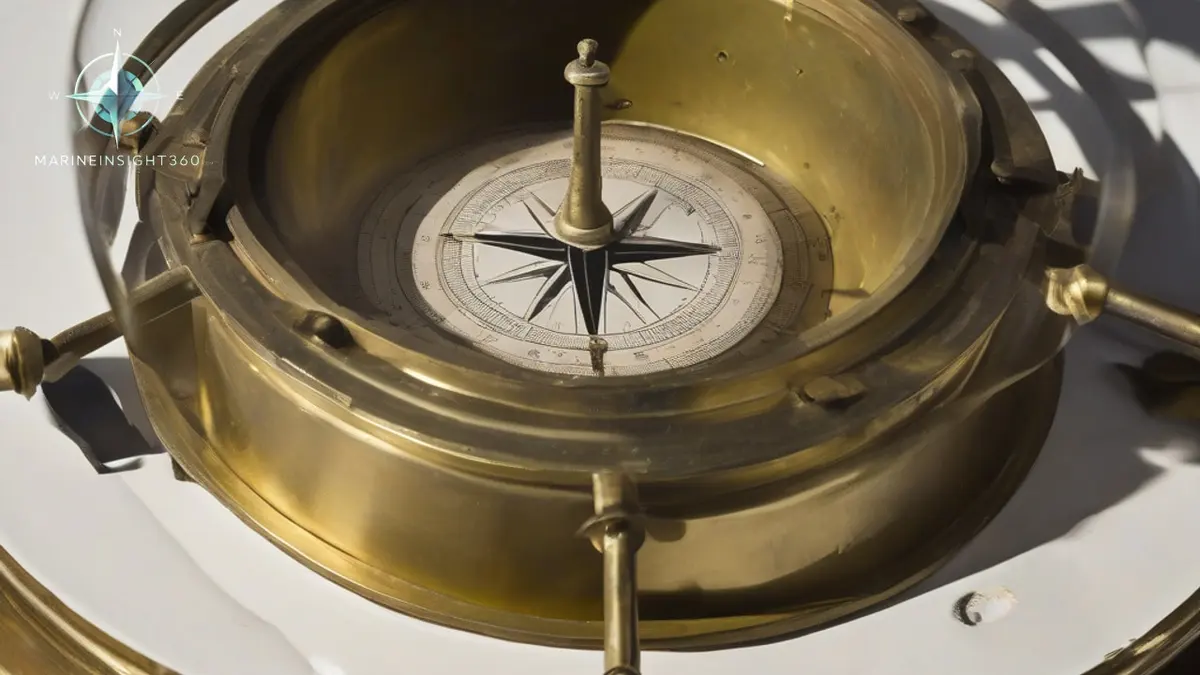
On vessels that rely on a single, power‑free heading reference, a drifting magnetic compass is a safety deficiency, not a cosmetic flaw. SOLAS Chapter V mandates that a properly adjusted compass be on board with a deviation table or curve that reflects reality. If the compass deviates, the crew’s ability to navigate safely is compromised.
Three Core Habits for Reliable Compass Performance
Effective magnetic compass maintenance boils down to three habits:
- Daily error checks. Log the error on every convenient heading.
- Physical upkeep. Keep the instrument and its surroundings free of damage and magnetic interference.
- Scheduled swings. Have an authorized adjuster swing and adjust the compass before the trigger event or interval expires.
Daily Checks: The First Line of Defense
Deviation is not a fixed number; it changes with heading, ship magnetism, and nearby metal. The only way to know the deviation card still matches reality is to measure it regularly. A practical routine is:
- Take an azimuth or sun amplitude at least once per watch when conditions allow.
- Compare the observed compass error with chart variation to derive deviation.
- Cross‑check with a gyro on a steady heading; record both readings.
Record each observation in the compass error book with date, time, position, heading and observed deviation. If the observed deviation departs materially from the card, treat the card as unreliable and report it. Many flag administrations require residual deviation to stay within a few degrees and demand an accurate deviation table verified by a recognized authority within a defined period. Always check the specific flag requirement rather than assuming a universal figure.
Physical Condition: What to Inspect and How to Fix
The Bowl and the Liquid
A bubble in the compass bowl is the most common defect. Small bubbles form as the liquid contracts in cold weather and often disappear as temperature rises. A persistent or growing bubble indicates a leaking seal or filler plug and needs topping up with the correct fluid through the filler screw, tilting the compass so air is expelled rather than trapped. Do not use water or improvised fluid.
Gimbals, Card and Lubber Line
The bowl must swing freely in its gimbals. Stiff or corroded gimbals introduce heeling error that no correction will fix. The card should settle smoothly without sticking and return promptly after a gentle deflection; a sluggish or oscillating card suggests a worn pivot or weakened magnetism in the card magnets. The lubber line must align exactly with the fore‑and‑aft line, because a misaligned lubber line puts a constant error into every heading steered.
Binnacle and Correctors
Keep the binnacle correctors where the adjuster left them. The Flinders bar in its tube forward or aft of the binnacle corrects induced vertical magnetism, the quadrantal spheres on their brackets correct induced horizontal magnetism, and the heeling error magnet sits in its bucket beneath the bowl. Moving any of these invalidates the deviation card immediately.
Check the soft iron spheres for rust and repaint them if needed, keep the illumination working and dimmable, and confirm the reflector tube or periscope to the wheelhouse is clean and correctly aligned.
When to Call an Adjuster for a Swing
Guidance under SOLAS Chapter V and the supporting ISO standard converge on clear triggers for a swing and adjustment by a duly authorized compass adjuster:
- First installation on a new or converted ship.
- Deviations become unreliable or exceed the accepted limit.
- Structural repairs, hot work or welding near the compass.
- Electrical or magnetic equipment added, moved or removed near the binnacle.
- Two years have passed since the last adjustment.
- The ship has been laid up or has been on one heading for an extended period, which can build up semi‑permanent magnetism.
If no qualified adjuster is available and the master considers adjustment necessary, the master may carry it out where he or she has the required expertise, recording the work in full. A new deviation card is prepared each time the compass is adjusted, and separate cards are needed for the standard compass and for any transmitting magnetic compass or repeater.
Keeping Records and Avoiding Common Mistakes
Inspectors ask for a current compass deviation book that includes the date and details of each adjustment, the position of all correctors, the ship’s position, and the sea conditions at the time. Post the deviation table in the immediate vicinity of the compass, not filed in the chartroom, because the requirement is that it be available at the compass at all times. Keep the adjuster’s certificate with the ship’s certificates.
Most compass problems are self‑inflicted. Steel gear stowed on the monkey island, a portable radio or a magnetized tool left on the binnacle, a new antenna bracket welded a metre away, container stows of steel coils in the wrong bay, or a loudspeaker fitted near the reflector will all shift deviation. Photograph the binnacle and its surroundings after each adjustment and use that photograph as the reference for what belongs there.
Brief deck ratings that the area around the binnacle is not stowage space.
Next Steps for Seafarers and Shipping Professionals
To ensure your vessel’s magnetic compass remains a reliable heading reference, schedule regular daily checks, maintain the physical condition of the instrument, and follow the trigger list for swings. For deeper guidance on error determination and heading control, visit Marine Insight 360’s Navigation and Seamanship section.
For related equipment checks and troubleshooting guides, continue with the marine machinery knowledge base.
Recommended Reading

Ship Maintenance and Repair: Planning the Five-Year Cycle
How ship maintenance and repair is planned around class surveys: the planned maintenance system, ISM element 10, condition monitoring and drydocking.

TWIC Card: What It Is, Who Needs One, and How to Get It
What a TWIC card is, who must carry one, what it costs, how the TSA background check works, and how mariners and truckers apply for and renew the credential.
Why Predictive Maintenance Is Becoming the Future of Ship Management
Discover how predictive maintenance is helping shipowners reduce breakdowns, improve safety, lower maintenance costs, and increase vessel reliability.