
Maritime Drama in the Gulf of Finland: Shadow Fleet Tankers, Naval Escorts and Navigation Risk
Dozens of shadow fleet tankers idle in the Gulf of Finland under naval escort. What the congestion, cable damage and uninsured hulls mean for other ships.
What the Gulf of Finland Drama Means for Your Voyage
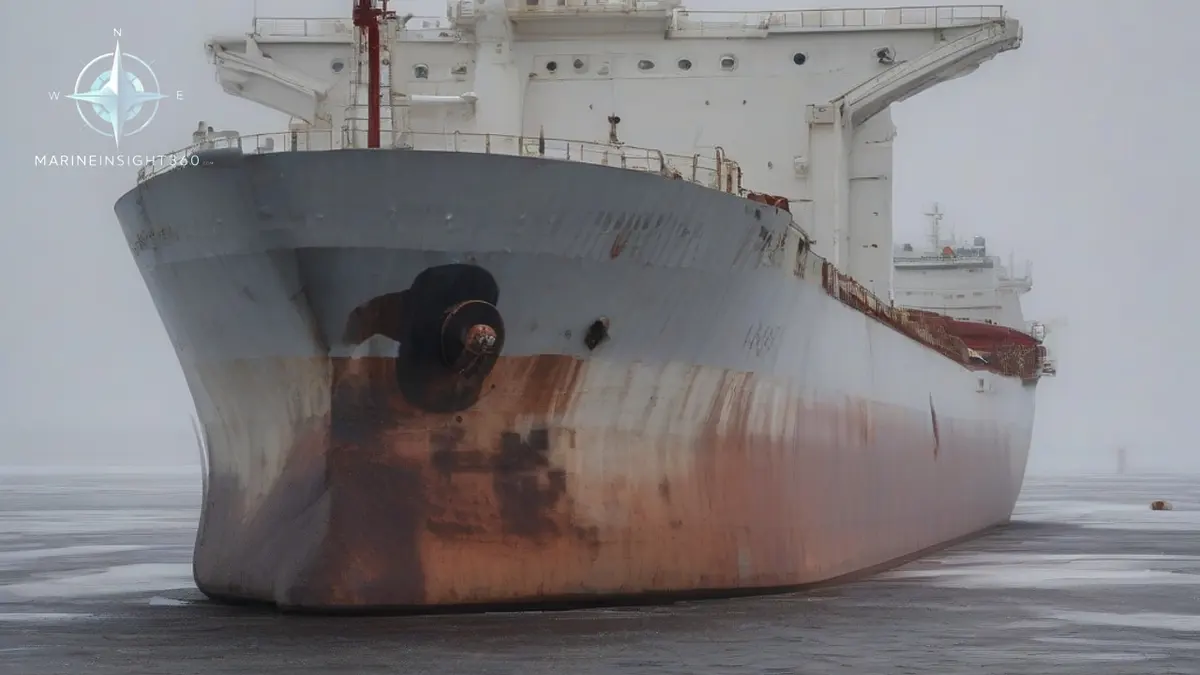
Between 30 and 40 shadow‑fleet tankers are idling in the Gulf of Finland, some escorted by Russian warships. For operators running legitimate cargo through the gulf, this situation changes anchorage availability, boarding risk, pollution exposure and the value of every routing assumption in the passage plan.
Why the Gulf of Finland Is a Hotspot for Risk
The gulf is a long, narrow, shallow eastern extension of the Baltic. Heavy north‑south ferry traffic crosses dense east‑west tanker traffic, seasonal ice, and a seabed crowded with power interconnectors, gas pipelines and fibre‑optic cables. Sea room is limited and the shipping lanes sit close to two national borders. Traffic is managed through GOFREP, the mandatory ship‑reporting system covering the international waters of the gulf, operated jointly from shore centres in Finland, Estonia and Russia.
Ships entering the area report in and are monitored, which normally produces an orderly picture. A cluster of tankers loitering outside the reporting discipline, some with unreliable or manipulated AIS transmissions, degrades that picture for everyone using it.
What the Shadow Fleet Looks Like on the Water
The description covers a real and consistent set of characteristics rather than a political label. Vessels in this trade are typically older, often uninsured or covered by unrecognised providers, frequently changing flag or effectively flagless, in questionable technical condition, and crewed by seafarers whose training and certification standards are difficult to verify. Several have gone through repeated ownership changes through opaque structures. Each of those attributes creates a specific problem for other mariners.
- No recognised insurance. If one of these ships causes a collision or a spill, there is no P&I club behind the liability. Recovery becomes a legal exercise against a shell owner rather than a claim.
- Poor condition. Deferred maintenance shows up as steering failures, blackouts and dragging anchors, all of which are worse in a narrow, shallow waterway.
- Unverifiable crewing. Bridge teams that do not follow the collision regulations predictably are the hardest traffic to plan against.
- AIS manipulation. Spoofed or suppressed positions undermine both shore monitoring and other ships’ collision avoidance planning.
Anchors, Cables and Pipelines: A Routine Hazard
The Baltic has seen repeated damage to subsea infrastructure by dragged anchors. In December 2024 Finland boarded the tanker Eagle S after it damaged five undersea cables while transiting Finland’s exclusive economic zone, on a track approaching further fibre‑optic cables and the EstLink 1 interconnector between Estonia and Finland.
Whether an individual incident is deliberate or the result of poor anchor securing, the operational lesson for every other bridge team is identical: charted cable and pipeline areas in the Baltic must be treated as no‑anchoring zones without exception, and anchors must be properly secured for sea before leaving sheltered water.
Coastal Enforcement, Escorts and the Limits of Law
Coastal states have limited authority over ships exercising innocent passage or freedom of navigation outside their territorial seas, which is why enforcement has focused on flag verification, insurance documentation checks and port state control when these vessels call at a European berth. Estonian, Finnish and other European navies have increased challenges and inspections, and Britain, Sweden and Belgium have signalled similar action.
The Russian response has been to escort tankers through the narrow passage with warships and aircraft, which is the genuinely new development in the gulf and the reason the risk of a miscalculation has risen.
Practical Measures for Ships Transiting the Gulf
- Comply fully with GOFREP reporting and monitor the working frequencies. A ship inside the system is a ship the shore centres can warn.
- Treat anchorage congestion as a passage‑planning input, not a surprise. Identify alternative waiting positions clear of the tanker clusters before arrival.
- Assume some targets will not behave predictably. Widen the closest point of approach, plan alterations early and in good visibility, and keep manual steering readiness.
- Plot cable and pipeline areas on ECDIS with alarms, and confirm anchors are secured with the bow stopper and lashings before departure.
- Record and report unsafe behaviour, AIS anomalies and challenges by military units, with times and positions, to the company and the coastal authority.
- Review war risk and hull cover conditions for the Baltic with the manager before fixing, since underwriter conditions in this area have changed repeatedly.
Why This Matters Beyond the Baltic
A large spill from an uninsured, poorly maintained tanker in a shallow, semi‑enclosed and slow‑flushing sea would be an environmental event with no funded cleanup behind it. That risk, sitting in the middle of one of Europe’s busiest short‑sea trades, turns a regional dispute into an industry problem. Operators trading the Baltic should keep watching this water closely, and our Ports and Shipping section continues to track the enforcement and insurance developments as they land.
Enforcement and Surveillance in the Gulf
Enforcement runs through port state control. Finland, Estonia and the other Baltic coastal states are Paris MoU members. A ship calling at a European berth can be inspected there, detained for deficiencies, and have the result published. That is why this tonnage avoids European ports and works through ship‑to‑ship transfer instead, staying outside the one regime with real teeth. EMSA supports the coastal states with satellite surveillance, including CleanSeaNet oil spill detection and vessel traffic data through SafeSeaNet.
An unreported discharge in the gulf is more likely to be seen than mariners assume. Masters who observe a slick, an unlit ship, or a tanker anchored on a charted cable route should report it to the coastal state. That report is what turns a satellite image into a case.
Next Steps for Your Operations Team
Check your vessel’s insurance coverage for the Baltic, verify AIS integrity, and update your passage plans to include the new anchorage constraints. If you operate in the Gulf of Finland, consider a dedicated briefing on the latest GOFREP procedures and Russian escort patterns. For more detailed guidance, visit Marine Insight 360’s Shipboard Operations section or contact your local port state control office.
For related career routes, eligibility and rank guidance, continue with the merchant navy career hub.
Recommended Reading
VLCC and ULCC Tankers: Capacity, Size and How Supertankers Work
VLCC capacity in barrels, tonnes and meters: what separates a VLCC from a ULCC, how supertankers load at sea, and why giant tankers dominate crude shipping.
US Indicts a Shadow Tanker Captain: The Personal Risk Masters Now Carry
A shadow tanker master was indicted, pleaded guilty and jailed for evading the US Coast Guard. What the case means for serving deck officers and their careers.
India's New Naval Base Near Maldives and the Indian Ocean Sea Lanes It Watches
INS Jatayu, India's naval base near Maldives, sits on the Eight and Nine Degree Channels. What it means for merchant routing and response times.