
MSC’s Terminal Company Withdraws Antitrust Review for Barcelona Acquisition
MSC’s terminal arm pulls the plug on its Barcelona acquisition antitrust review, keeping port operations and fees unchanged for seafarers and shipping lines.
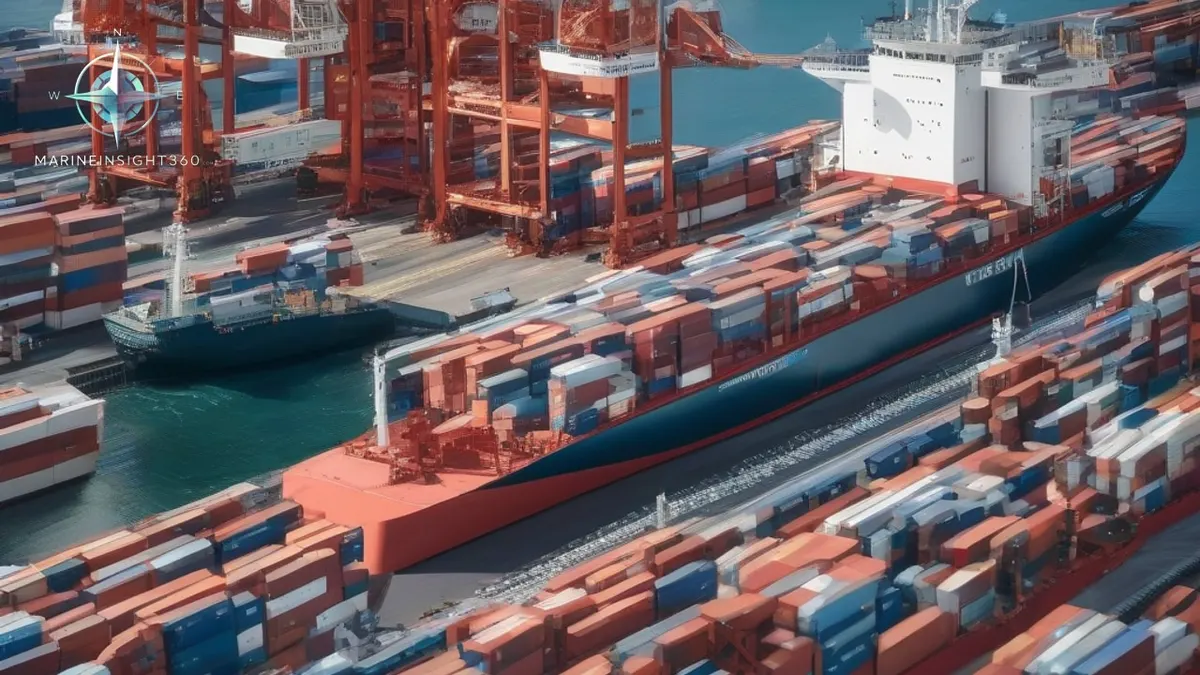
Terminal Company Withdraws Antitrust Review is the focus of this article because it connects ship operators, masters, safety officers and compliance teams with the wider question behind MSC’s Terminal Company Withdraws Antitrust Review for Barcelona Acquisition.
MSC’s withdrawal freezes Barcelona terminal plans for now
MSC’s terminal arm has pulled the plug on its antitrust review for the Barcelona acquisition, meaning the deal will not move forward while the review is active and all existing terminal operations, berth allocations and fee structures stay exactly as they are today.
Seafarers, cadets and logistics planners can therefore keep using the same paperwork, slot bookings and turnaround expectations they have grown accustomed to, without having to re‑optimise schedules or learn new terminal procedures.
Why the antitrust review was withdrawn
When a major terminal operator like MSC seeks to buy a port facility, competition authorities – for example the European Commission’s Directorate‑General for Competition – launch an antitrust review to ensure the transaction does not give MSC undue market power. MSC’s decision to withdraw the review signals one or more of the following considerations:
- Regulatory risk: Early signals that the Commission would likely block the deal, making approval unlikely.
- Financial calculus: The cost of meeting compliance requirements or potential divestitures may outweigh the projected profit gains.
- Strategic shift: MSC may be redirecting capital toward other growth projects, such as terminal upgrades or green‑port initiatives elsewhere.
Withdrawal does not automatically cancel the acquisition; it simply halts the regulatory process. The company can still revisit the transaction under different conditions later.
Current state of Barcelona terminal operations
Barcelona remains one of the busiest Mediterranean hubs, handling over 3 million TEU (twenty‑foot equivalent units) annually. MSC already runs several berths there, and the proposed purchase would have expanded its footprint. With the review withdrawn, the status quo persists:
- Berth availability: Existing slots allocated by the incumbent operator remain unchanged.
- Handling rates: No immediate pressure for rate adjustments, keeping freight cost forecasts stable for the next quarter.
- Operational integration: Planned technology harmonisation, such as shared terminal operating systems, will not be implemented.
- Documentation: Crews continue using the incumbent’s port clearance forms and EDI formats.
- Safety and training: No new terminal‑specific safety protocols are expected, so crew training programmes stay on their current track.
Practical steps for crews, ship operators and logistics planners
Even though the withdrawal may appear as a corporate footnote, it has tangible day‑to‑day implications. Here’s what you should adjust right now:
Voyage planning stays on course
Maintain current berth booking strategies. There is no need to re‑optimise schedules or renegotiate service contracts, which saves both time and administrative effort.
Port fees and surcharges remain predictable
Anticipated changes to port dues – often renegotiated after a takeover – are unlikely to materialise. Budget forecasts for the next few months can therefore remain unchanged.
Documentation and electronic processes
Continue using the existing port clearance forms and EDI formats supplied by the current terminal operator. No new software roll‑outs are expected, reducing the risk of data‑entry errors.
Training focus for cadets and junior officers
The stable environment offers a consistent learning platform. Cadets can concentrate on mastering standard port procedures rather than adapting to a new terminal’s quirks, which supports smoother competency development.
What to monitor next
MSC’s withdrawal does not preclude other strategic moves. Stakeholders should keep an eye on the following possibilities:
- Acquisition of a different Mediterranean asset that faces fewer regulatory obstacles.
- Investment in green‑port initiatives at existing MSC‑operated berths, aligning with IMO’s decarbonisation targets.
- Formation of a joint‑venture with the current Barcelona terminal operator to share resources without triggering antitrust concerns.
Watch for announcements from the European Commission and the Port of Barcelona Authority for any new filings or partnership proposals. Shipping lines should also expect updated service bulletins from MSC’s commercial department outlining any revised slot allocations or fee structures.
Why this matters to the global shipping community
By keeping Barcelona’s terminal environment stable, the withdrawal safeguards crew schedules, cargo‑flow reliability and cost predictability for shippers worldwide. For a deeper explain Barcelona’s terminal landscape and its role in global supply chains, visit Marine Insight 360’s Ports section.
Operational context
In daily maritime work, terminal company withdraws antitrust review should be compared with vessel type, flag requirements, company procedures, port expectations, cargo risk and crew competence. The same topic can look different on a container ship, bulk carrier, tanker, offshore vessel, training ship or shore-side logistics desk.
That is why this article avoids treating the subject as a standalone headline. It connects the issue with the checks that ship operators, masters, safety officers and compliance teams can use when reading a report, preparing for a voyage, reviewing a procedure or planning a career step.
For related compliance and onboard procedure topics, continue with the shipboard operations knowledge base.
Next steps
For related compliance and onboard procedure topics, continue with the shipboard operations knowledge base. Use the linked hub to compare the topic with related guidance before making operational, training or commercial decisions.
Recommended Reading

What is a Bulk Liquid Terminal?
What is a Bulk Liquid Terminal?: ports, trade and shipping-market context for US, UK, Canada, Australia, Singapore and European maritime readers.
HK company sells stake in Panama Canal Ports
HK company sells stake in Panama Canal Ports: ports, trade and shipping-market context for US, UK, Canada, Australia, Singapore and European maritime...
What Is The Largest Shipping Company In The World?
The role of LNG carriers in transporting LNG from the production area to the consumption site is a crucial step. Equally important are the top LNG bulk…