
How Are Navigation Lights Maintained On Ships?
How Are Navigation Lights Maintained On Ships?: technology, equipment and fleet context for US, UK, Canada, Australia, Singapore and European maritime...
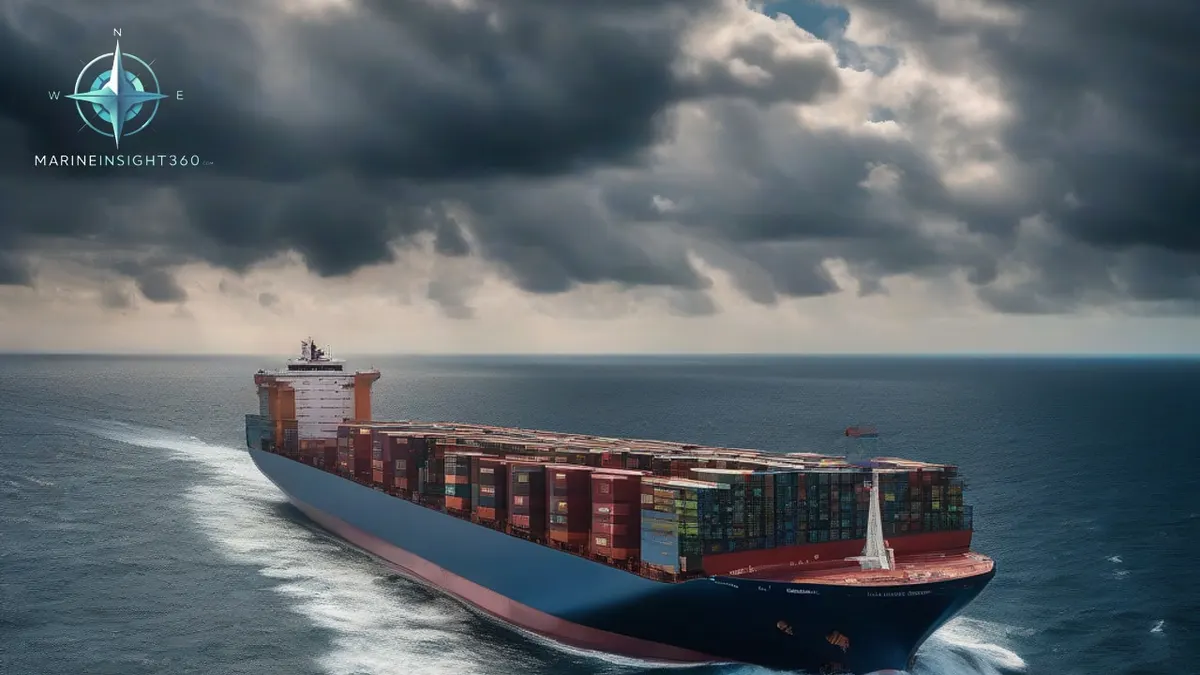
How Are Navigation Lights Maintained On Ships?
Despite the advancement of the latest marine navigation technologies, such as Global Positioning Systems (GPS), Electronic Chart Display and Information Systems (ECDIS), and various satellite signal systems, navigation lights still play a crucial role in marine ship navigation.
These signal lights have been an integral part of ship navigation procedures for decades, and due to their frequent use, they are also included in daily maintenance procedures.
Ships use navigation lights when sailing near coastal areas, in busy shipping waters, in ports, and even when sailing at sea. They help indicate the ship's position, condition, course direction, and other relevant information to nearby ships, enabling them to avoid collisions at sea. This is the primary form of non-verbal communication between ships and those nearby during navigation.
Navigation Lights
The navigation lights and signal lights on ships are located in these areas and can be clearly seen even from a distance. However, these high places are extremely dangerous when maintaining these lights, especially when the ship is underway.
The three important locations of ship navigation lights are:
- Foremast
- Mainmast
- After the beacon station
Maintenance of ship navigation lights
Before any maintenance work on ship navigation lights, the following safety procedures must be followed:
- Prepare a work permit
- Post a stop sign and notify the competent driver
- Attempt to perform routine maintenance when the ship is docked in the port
- Before climbing the mainmast, obtain a work permit from above
- Turn off the radar and remove the fuse
- Turn off the power supply of the nearby ship whistle
- Turn off all other communication equipment, as the antennas are typically located near the mast and emit harmful radiation that can be detrimental to the human body.
- When operating navigation lights at sea, use an anemometer to check the wind speed and direction. If the wind is strong, avoid climbing the mast.
Check that the ship is not shaking or tilting. Do not climb the mast if the air pressure is too high.
What Is The Displacement Of A Ship?
What does Celestial Navigation do?
Autonomous Navigation System Successfully Tested Onboard Roro
Factors affecting navigation lights and their maintenance procedures
Maintenance of shipnavigation lights is essential to ship safety. These lights are located at the highest point outside the ship. Therefore, the following factors can affect these lights:
a) Water (seawater and rain)
b) Vibration
c) Sunlight and wind
d) Wiring installation
Let’s understand how each factor affects navigation lights.
a) Water (seawater and rain)
Water poses a significant threat to all electrical systems on board. The ingress of water can cause electrical fires due to short circuits. Since all navigation lights are located outside the deck of the ship, they are susceptible to the harmful effects of seawater, rain, and atmospheric humidity.
Therefore, navigation lights are enclosed in sealed, waterproof, and weatherproof housings. However, despite the weatherproof nature of these housings, there is a high risk of water intrusion due to the possibility of leaks in the system, due to rus,t and frequent opening of the housing to change bulbs.
Note: If the navigation bulb repeatedly melts, this indicates water intrusion.
Precautions:
- Check the light fixture regularly for water leaks.
- When opening the light fixture to change the bulb, ensure you use a waterproof material, such as silicone or putty.
- Visually inspect the inside of the housing for salt accumulation. If you notice salt buildup, it means seawater has penetrated the area.
- Use a soft cloth and detergent to clean the glass of the light fixture to ensure good lighting/signaling.
- Inspect the lamp holder inside the light fixture for signs of corrosion or mold.
- Use a contact cleaner to clean the light fixture when it is turned on.
b) Vibration
Everywhere on the ship can be affected by the vibrations generated by the operation of the ship's engine room machinery. Since the navigation lights are located at the highest point of the ship, they are constantly subject to vibrations when the main engine is running. This is another cause of light failure.
Whenever possible, use vibration-absorbing materials such as rubber washers. When operating the navigation lights, check for any loose bolts or fittings. Tighten them if necessary.
Use washers where the light fixture nuts are tightened to prevent loosening. Secure the light fixture with a clamp.
c) Sun and Wind
This is a factor that affects the navigation lights of your vessel, and there is nothing you can do about it.
Due to constant sunlight exposure, the life of navigation lights is usually shortened, especially those made of plastic. Therefore, it is better to install weather-resistant copper navigation lights.
d) Fixed Lines
The cables of navigation lights mounted on the mast often get tangled or loose due to exposure to wind and rain. Check the cables for loose connections and secure them with cable ties. Check the condition of these cables regularly.
All navigation lights on board are installed in pairs, two at a time. If one fails, replace the other. However, officers need to perform regular maintenance checks on these lights and check for light/bulb failure alarms.
Recommended Reading
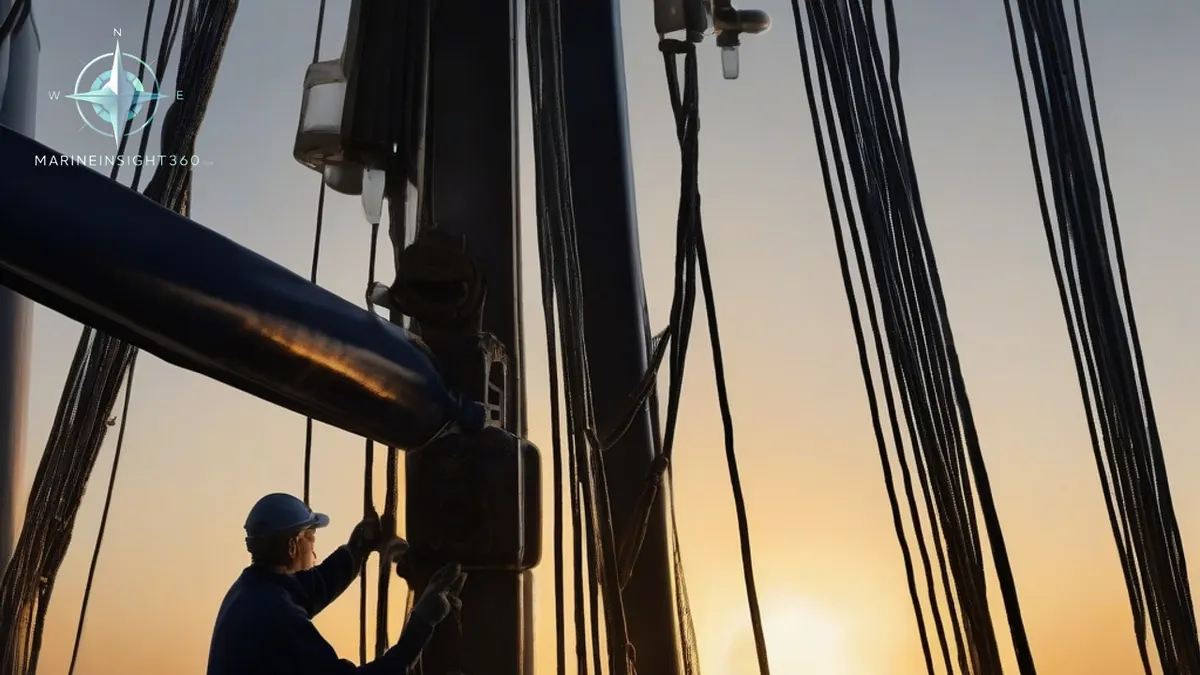
How Are Navigation Lights Maintained On A Ship?
How Are Navigation Lights Maintained On A Ship?: ports, trade and shipping-market context for US, UK, Canada, Australia, Singapore and European...
Ship Navigation Equipment: The 30 Systems on a Modern Bridge
The ship navigation equipment a modern bridge carries, grouped by job: position fixing, collision avoidance, charts, communications, safety recorders and more.
Dead Reckoning Navigation Technique (Maritime Position Calculation) At Sea
Dead Reckoning Navigation Technique (Maritime Position Calculation) At Sea: technology, equipment and fleet context for US, UK, Canada, Australia,...