
Nigeria Upbeat Over Maritime Competitiveness After US Lifts 12-Year Ban
Explore how the U.S. lifting a 12‑year ban on Nigerian vessels opens new routes and compliance requirements for global shipping professionals.
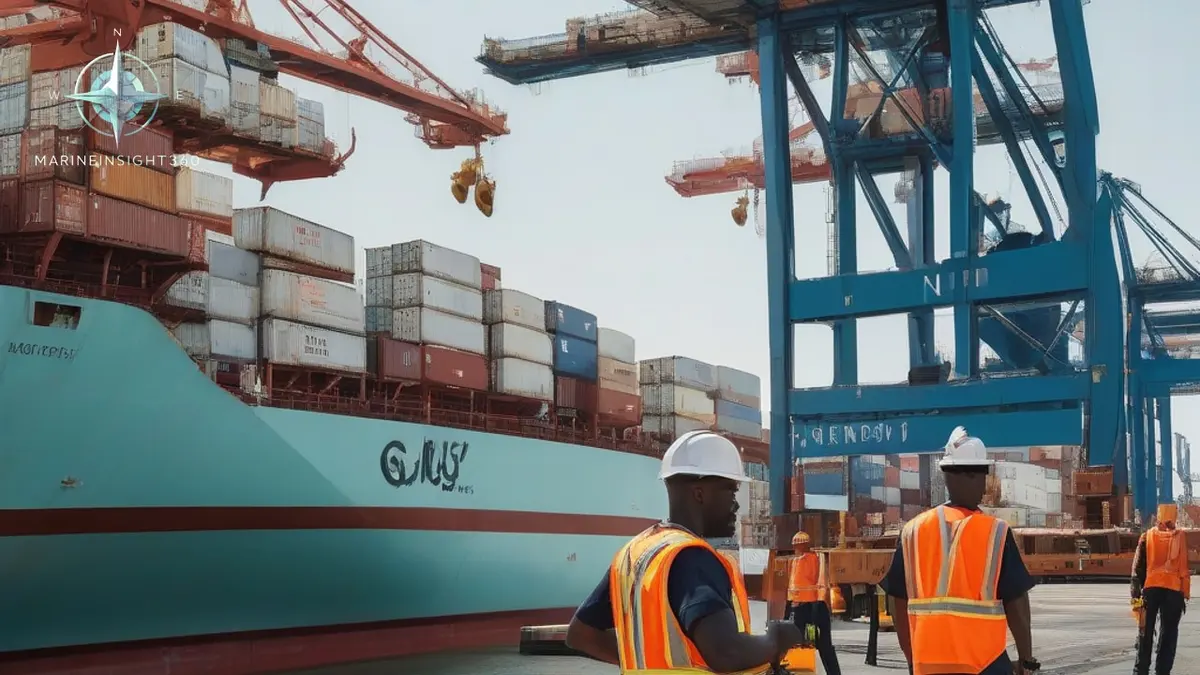
What the lifted ban actually changes for Nigerian vessels
The U.S. Department of Commerce’s decision to lift the 12‑year ban means Nigerian‑flagged vessels can now apply to call at U.S. ports, but they must still satisfy U.S. Coast Guard safety, security and environmental standards before berthing. Compliance includes SOLAS, MARPOL, a valid Port State Control inspection and crew training under the Maritime Transportation Security Act.
The ban, imposed in 2012 over safety‑record concerns, barred all Nigerian‑flagged ships—bulk carriers, container ships, tankers and others—from U.S. terminals unless owners proved adherence to stringent criteria. Its removal opens a commercial corridor, yet the regulatory gate remains firmly in place.
Mandatory U.S. Coast Guard compliance checklist
Before a Nigerian vessel can berth, it must meet every item on the U.S. Coast Guard (USCG) checklist. Failure on any point blocks entry, regardless of the ban’s status.
Safety and environmental standards
- SOLAS compliance : The International Convention for the Safety of Life at Sea must be fully implemented, covering structural integrity, fire safety and lifesaving appliances.
- MARPOL compliance : The International Convention for the Prevention of Pollution from Ships requires adherence to emission limits, including the 0.50% sulphur cap for fuel oil.
- Valid Port State Control (PSC) report : A recent USCG‑issued PSC inspection report must be on board and presented on arrival.
Crew certification and training
- STCW endorsements : All crew members need up‑to‑date certifications under the Standards of Training, Certification and Watchkeeping for Seafarers, the global benchmark for competence.
- USCG‑approved drills : Vessels must conduct safety drills that meet USCG specifications, covering fire, abandon‑ship and emergency response.
- MTSA requirements : The Maritime Transportation Security Act mandates security plans and crew training on anti‑piracy, access control and cargo security.
- English documentation : Crew certificates, training records and safety manuals must be in English and follow USCG formatting rules.
Operational and commercial opportunities unlocked
Access to U.S. ports expands market reach and can shorten transit times for routes to North America. Nigerian operators can now bid on cargo that previously required a U.S. flag or a bilateral agreement, leveraging the sophisticated cargo‑handling infrastructure of ports such as New York, Savannah and Houston. Participation in U.S. customs and trade‑facilitation programs also speeds clearance, reducing demurrage risk.
For cadets and seafarers, the change creates a pathway to gain experience on trans‑Atlantic trades, enhancing employability in a market that values USCG‑compliant credentials. Shipping firms that invest early in compliance can capture premium freight rates and build long‑term relationships with North American shippers.
Common pitfalls and how to avoid them
Many operators mistakenly think the ban’s removal equals unrestricted access. In reality, the following errors frequently derail voyages:
- Missing PSC inspection : Arriving without a current USCG PSC report leads to denial of entry and costly diversion.
- Environmental non‑compliance : Ignoring the 0.50% sulphur limit results in fines and possible detention.
- Improper crew paperwork : Certificates not translated into English or not formatted per USCG standards are rejected at the gate.
- Outdated safety equipment : Life‑rafts, fire suppression systems or personal protective gear that do not meet U.S. specifications cause inspection failures.
Addressing these issues proactively—by scheduling inspections, updating fuel contracts and auditing documentation—prevents costly delays.
Practical steps for shipping companies and cadets
To turn the new opening into a competitive advantage, Nigerian firms should follow a disciplined roadmap.
- Engage a U.S. PSC surveyor early : Secure a qualified surveyor to conduct a pre‑arrival inspection, ensuring the vessel meets all USCG criteria.
- Upgrade crew training programs : Align internal training with USCG drill requirements and MTSA security modules; consider partnering with a recognized maritime academy.
- Audit safety equipment : Verify that all lifesaving and fire‑suppression gear conforms to U.S. specifications; replace or retrofit where necessary.
- Document in English : Translate all crew certificates and safety manuals, and format them according to USCG templates.
- Consult the Marine Insight 360 Knowledge Base : The “USCG Guidelines” article provides detailed checklists and links to official USCG resources.
Cadets aiming for U.S.‑linked voyages should prioritize STCW modules that cover USCG drill standards and MTSA security awareness, as these are scrutinised during inspections.
Why the change matters to the global shipping community
The lift reflects a broader trend toward tighter maritime safety standards worldwide, offering Nigerian shipping a chance to integrate more fully into global trade while underscoring the universal need for rigorous compliance.
Recommended Reading
Australia Improves its Surveillance Capability Over the South China Sea
Australia upgrades radar, satellite and data fusion to improve maritime security in the South China Sea, benefiting global shipping operations.
Nigeria joins Saudi-led Red Sea defence alliance
Nigeria has joined a 14‑nation naval alliance led by Saudi Arabia to protect key shipping lanes in the Red Sea. Find out what it means for vessels, crews and po

Sonion Tanker 'Poses Environmental Risk' After Attack In Red Sea
Sonion Tanker 'Poses Environmental Risk' After Attack In Red Sea: safety, training and compliance context for US, UK, Canada, Australia, Singapore and...