
Nigeria joins Saudi-led Red Sea defence alliance
Nigeria has joined a 14‑nation naval alliance led by Saudi Arabia to protect key shipping lanes in the Red Sea. Find out what it means for vessels, crews and po
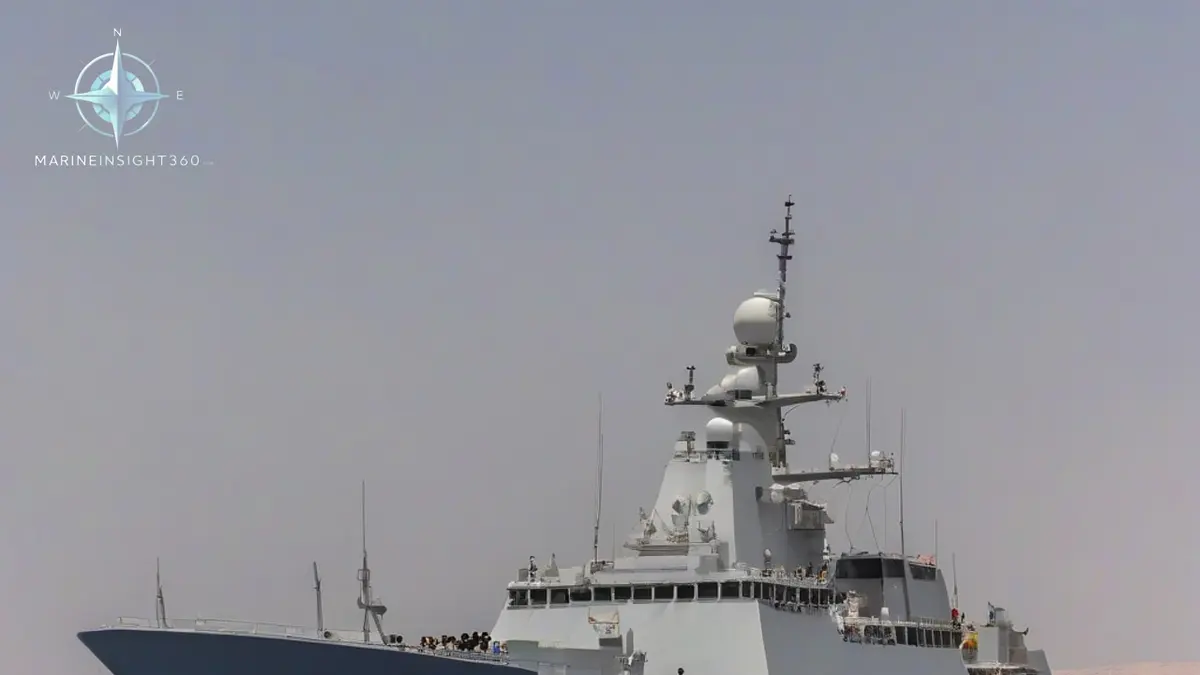
Nigeria has joined the Saudi-led Red Sea defence alliance, a 14-nation naval coalition announced by Saudi Arabia. Its purpose is to keep commercial shipping moving through the Red Sea, the Gulf of Aden and the Bab el-Mandeb Strait.
Nigeria’s Role in the Expanded Alliance
In a move that expands a Saudi‑led maritime coalition, Nigeria has joined a 14‑nation naval alliance aimed at safeguarding commercial shipping through the Red Sea, the Gulf of Aden and the Bab el‑Mandeb Strait. The alliance, announced by Saudi Arabia, now includes 12 other countries, with Nigeria’s participation signalling a broader international commitment to secure these critical trade lanes.
For seafarers, port operators and shipping managers, the key takeaway is that vessels transiting these waters may soon encounter increased naval patrols and coordinated security measures. The alliance’s objective is to deter hostile actions—particularly from Houthi‑linked attacks—and to ensure the uninterrupted flow of goods, especially energy supplies that pass through the Bab el‑Mandeb Strait.
Key Maritime Corridors Covered
The alliance focuses on three strategic maritime corridors:
- Bab el‑Mandeb Strait – the narrow chokepoint linking the Red Sea to the Gulf of Aden, a vital conduit for oil tankers and bulk carriers.
- Red Sea – a major shipping lane that connects the Suez Canal to the Indian Ocean.
- Gulf of Aden – the sea area between Yemen and Somalia, historically prone to piracy and armed attacks.
Vessels operating in these zones may experience increased surveillance by allied naval vessels, potential rerouting or speed restrictions if a security alert is issued, and enhanced communication protocols with maritime security forces.
Operational Implications for Vessels
Shipping companies should review their voyage planning tools to incorporate real‑time security updates from the alliance’s coordination centre. This includes:
- Monitoring alerts issued by the coalition’s command.
- Adjusting routes or speeds in response to security advisories.
- Maintaining open lines of communication with the alliance’s command to ensure rapid emergency response.
Failure to update shipboard security manuals to reflect the new alliance protocols can lead to confusion and delayed action during incidents.
Common Pitfalls and How to Avoid Them
While the alliance aims to reduce threats, it also introduces new operational considerations:
- Over‑Reliance on Naval Patrols – crews may assume that the presence of allied warships eliminates all danger, leading to lax vigilance.
- Communication Gaps – vessels must maintain open lines with the alliance’s command; failure to do so can delay emergency responses.
- Compliance Overhead – additional reporting requirements may be imposed on ships transiting the protected zones.
A common mistake is neglecting to update shipboard security manuals to reflect the new alliance protocols. Operators should conduct a rapid audit of their procedures and ensure that all crew members are briefed on the latest guidelines.
Practical Steps for Shipping Companies
To align with the alliance’s objectives, consider the following steps:
- Update Security Training – incorporate scenarios that involve coordinated naval patrols and joint response drills.
- Enhance Communication Systems – equip vessels with reliable satellite links to receive real‑time alerts from the alliance’s command centre.
- Review Routing Plans – consult the latest maritime security advisories before departure and adjust routes if necessary.
- Coordinate with Port Authorities – ensure that arrival and departure schedules at Red Sea and Gulf of Aden ports align with the alliance’s operational windows.
These measures help maintain safety without compromising operational efficiency.
The forces already operating in the corridor
Several multinational arrangements already cover these waters, and they do different jobs. The Combined Maritime Forces, headquartered in Bahrain, runs Combined Task Force 151 for counter piracy. EU NAVFOR Atalanta has operated off Somalia since 2008.
The response to attacks on merchant ships in the Red Sea added two more. The United States led Operation Prosperity Guardian from December 2023, and the European Union launched Operation Aspides in February 2024 with a defensive mandate that includes close escort of merchant vessels on request. Knowing which of these covers a given leg is worth more than the headline number of member states.
How a merchant ship actually gets help
Naval presence only reaches ships that are inside the reporting system. UK Maritime Trade Operations (UKMTO) in Dubai is the first point of contact for merchant vessels in the region, and ships crossing the Indian Ocean voluntary reporting area register with the Maritime Security Centre Horn of Africa before entry.
The industry reference is BMP Maritime Security, which sets out the reporting, hardening and watchkeeping measures that flag states and war risk underwriters expect to see in place. A ship that has not reported in is a ship the warship does not know is there.
Next Steps and Resources
Confirm which reporting scheme applies to the leg being planned, and brief the crew on it before departure rather than on passage. For related chokepoint and security background, continue with the Strait of Hormuz guide and the shipboard operations knowledge base.
Recommended Reading
Nigeria Upbeat Over Maritime Competitiveness After US Lifts 12-Year Ban
Explore how the U.S. lifting a 12‑year ban on Nigerian vessels opens new routes and compliance requirements for global shipping professionals.
Saudi Arabia Launches Maritime Coalition to Strengthen Security in the Red Sea
Learn saudi arabia launches maritime coalition with practical maritime context, safety checks, operational guidance and related resources for global...
U.S. Navy Destroyer USS Mason Joins Mediterranean Sea Operation After 7 Months in Red Sea
The USS Mason (DDG 87), the US Navy’s Arleigh Burke-class guided-missile destroyer. This is one of the leading ships of the American Navy. The ship has…