
Women at the Helm: Breaking Barriers in the Oil Tanker Industry
Women are taking command and senior roles on oil tankers, a trade long seen as male only, where stereotypes, bias and limited training access remain.
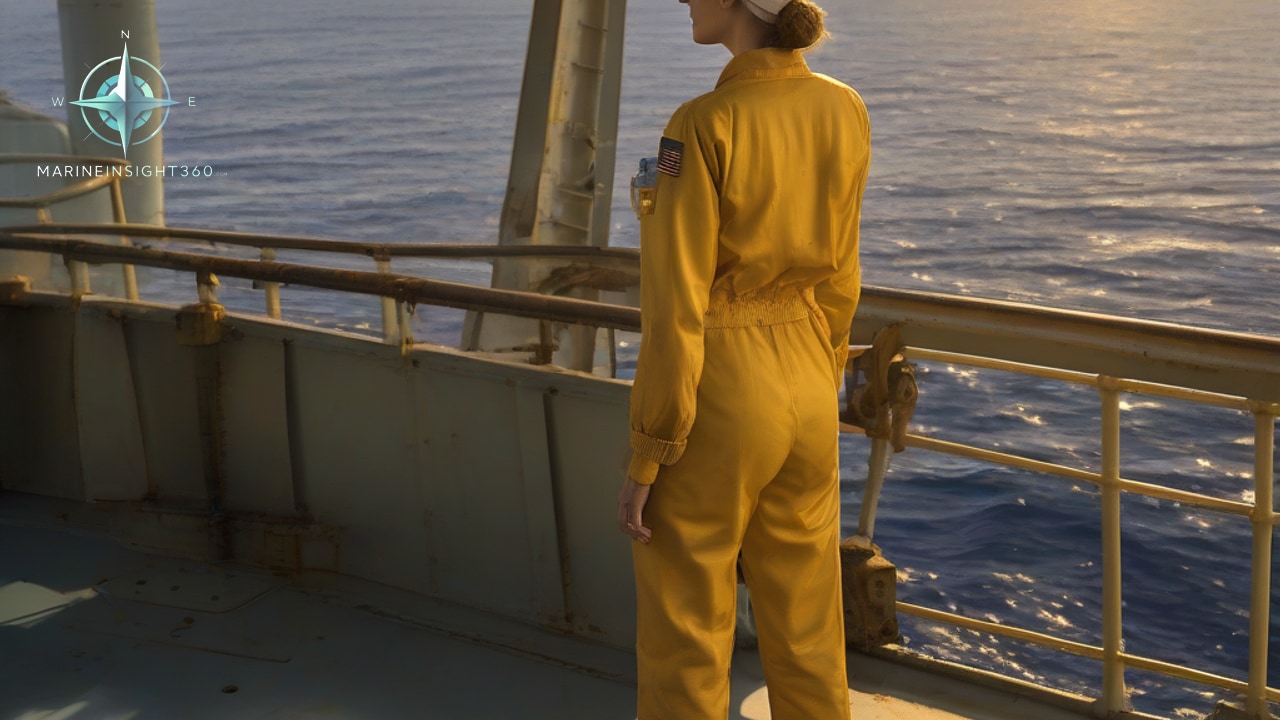
Women are breaking barriers in the oil tanker industry by taking command and senior operating roles in a trade long treated as male only, with stereotypes, bias and limited training access still the main obstacles.
The oil industry, also known as the petroleum industry, includes the exploration, extraction, refining, transportation, and marketing of petroleum products. This industry plays a significant role in meeting the world's energy demands, providing various fuels, petrochemicals, and other essential products. Here are the key components of the oil industry:
Exploration and Production:
Exploration:
The search for new oil and gas reserves includes geological surveys, seismic studies, and exploratory drilling.
Production:
Extraction of crude oil and natural gas from underground reservoirs using drilling methods. This could happen both onshore and offshore.
Refining:
Crude oil undergoes refining processes in oil refineries to separate and purify its components. This results in various products, including gasoline, diesel, jet fuel, lubricants, and petrochemicals.
Transportation:
The oil industry depends on a network of pipelines, ships (oil tankers), railroads, and trucks to transport crude oil and refined products to refineries, distribution centers, and end-users.
Distribution and Marketing:
Refined petroleum products are distributed through a system of pipelines, storage tanks, and terminals. Marketing includes selling these products to customers through gas stations, industrial clients, and other outlets.
Petrochemicals:
The oil industry is a major source of raw materials for the production of petrochemicals. These chemicals are used in the manufacture of plastics, synthetic rubber, fertilizers, pharmaceuticals, and a wide range of industrial products.
Research and Development:
Ongoing research is conducted to improve exploration procedures, enhance extraction efficiency, develop new refining technologies, and explore alternative energy sources.
Environmental and Safety Regulations:
The oil industry is subject to strict environmental and safety regulations imposed by national and international bodies. These regulations aim to minimize the environmental impact of oil extraction, refining, and transportation, as well as ensuring the safety of workers and communities.
Worldwide Markets:
The oil industry is profoundly affected by worldwide economic conditions, geopolitical events, and supply and demand dynamics. Oil prices are determined by factors such as production levels, geopolitical tensions, and worldwide economic growth.
Breaking Barriers within the Oil Tanker Industry
In the vast field of the maritime industry, where the rhythmic dance of waves meets the immovable might of colossal vessels, a quiet transformation is underway. Traditionally shrouded in the echoes of grizzled sea shanties and the authoritative cadence of male captains, the Oil Tanker Industry is now seeing a transformative shift in gender diversity – women are assuming leadership roles, navigating uncharted waters, and dismantling long-standing stereotypes.
This blog looks at female leaders at the helm of oil tankers, the challenges they face, and the impact they are having on an industry long characterized by its male-dominated legacy.
At the heart of this shift to female leadership is a historical perspective that has long consigned women to the shores, keeping them away from the salty grasp of the open oceans. The maritime industry, and especially the Oil Tanker Industry segment, has been steeped in the tradition of being a male bastion.
However, as we cruise through the currents of progress, the image of a woman standing confidently at the helm, steering through treacherous waters, is slowly becoming less rare, challenging stereotypes and inspiring a new generation of maritime professionals.
The challenges faced by women navigating the oceans of the Oil Tanker Industry are as unpredictable as the sea itself. Stereotypes, deeply ingrained biases, and limited access to training opportunities make formidable waves that these women navigate with strength and resilience. However, it is in overcoming these challenges that their stories become not just individual triumphs but beacons of hope for a more inclusive and diverse industry.
Historical Perspective:
Historically, the maritime industry, especially the Oil Tanker Industry segment, has been characterized by a lack of gender diversity. The perception that seafaring is a calling solely for men has kept women from pursuing careers in this field. However, times are changing, and the industry is recognizing the untapped potential of gifted and determined women.
Challenges Faced By Women Within The Oil Tanker Industry:
Breaking into a male-dominated industry is no easy feat, and women within the Oil Tanker Industry sector face unique challenges. From stereotypes and bias to limited training opportunities, these women are pioneers in overcoming obstacles on their way to success. Addressing these challenges is important for cultivating a more inclusive and diverse workforce within the maritime sector.
Success Stories:
In spite of the obstacles, various success stories highlight the resilience and determination of women in the Oil Tanker Industry. Profiles of trailblazing women who have risen through the ranks, from navigating the high seas to overseeing complex operations, serve as motivation for aspiring female professionals. These success stories also shed light on the positive impact of diverse leadership in advancing innovation and efficiency.
The Role Of Education And Training:
To empower more women to join the Oil Tanker Industry, investing in education and training is imperative. Initiatives that provide equal access to maritime education, navigation courses, and hands-on training opportunities can help in bridging the gender gap. By cultivating a supportive environment, the industry can encourage more women to pursue careers in seafaring and related areas.
Benefits Of Gender Diversity In The Oil Tanker Industry:
Gender-diverse groups can contribute to improved performance and problem-solving in various industries. Within the Oil Tanker Industry segment, the inclusion of women at all levels of decision-making can lead to improved safety practices, more efficient operations, and a workplace culture that values different points of view. Embracing gender diversity isn't just about social progress; it's a key move that benefits the industry as a whole.
Conclusion:
As women continue to make their mark within the Oil Tanker Industry, the narrative is changing from one of exclusion to one of empowerment and progress. By addressing challenges, celebrating successes, promoting education and training opportunities, the industry can pave the way for a more inclusive and diverse future. It's time for the maritime sector to recognize the important contributions of women at the helm and chart a course toward a more equitable and prosperous future.
Recommended Reading
Shipping Freight Rates Explained: Container, Dry Bulk and Tanker Markets
What moves container, dry bulk and tanker freight rates, how to read the Drewry WCI, SCFI, Baltic Dry Index and Worldscale, and what drove the shipping market in 2026.
Important Points for Committing Cargo Quantities in Tanker Ships
Committing cargo quantities on tanker ships is a critical commercial and operational decision.
Top 10 Largest Flag States in the Shipping Industry
In global shipping, a flag state is the country where a vessel is registered. The flag a ship flies determines the laws it must follow, safety…