
Russia to Provide Arctic Navigation Training to Chinese Seafarers
Russia will provide Arctic navigation training to Chinese seafarers, offering crews essential skills for safe polar operations. Learn why this matters for globa
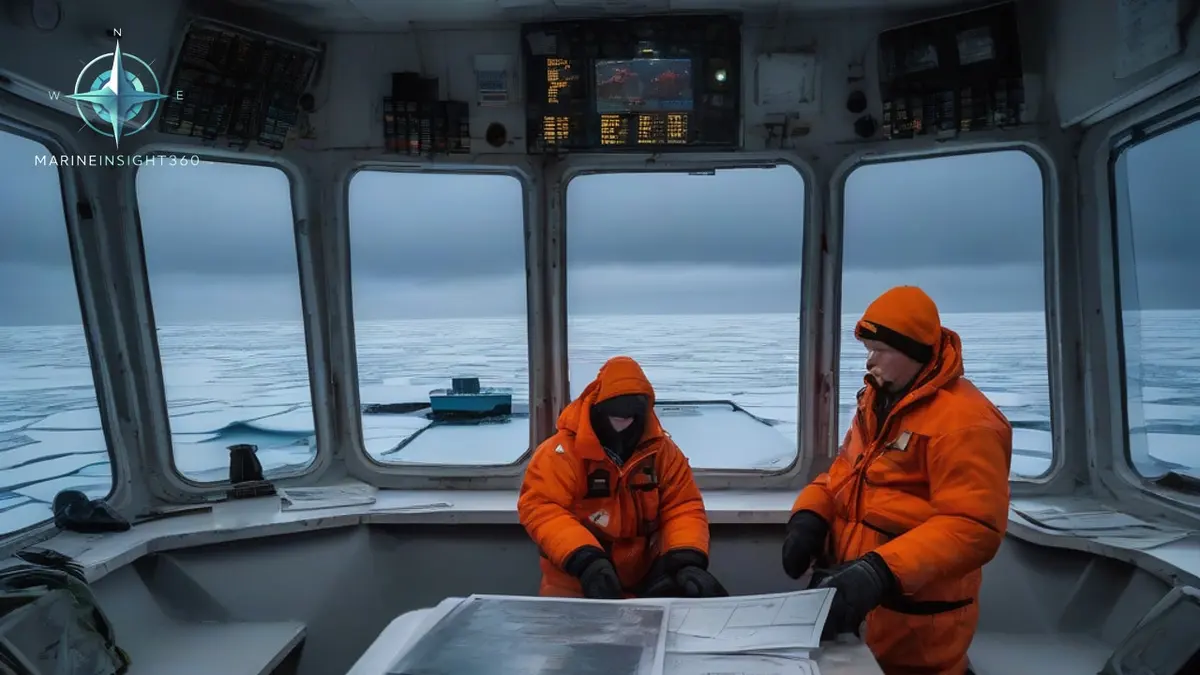
Why Arctic Navigation Training Matters for Global Shipping
Arctic routes can cut voyages between Asia and Europe by up to 30% (about 3,000 nautical miles), but ice conditions, extreme weather, and sparse rescue infrastructure make these passages hazardous.
Crews must master ice navigation, polar weather forecasting, and emergency response to operate safely. <h2>What the Russian Training Programme Likely Covers</h2> Russian polar training centres typically cover the following modules: * Ice navigation theory and practical exercises using ice charts and satellite imagery * Icebreaker and escort vessel operations, including communication protocols with Russian icebreakers * Emergency drills for ice damage, man-over-board incidents, and cold-environment search-and-rescue * Environmental protection measures such as oil-spill response and ballast-water management in polar waters Training is delivered under the STCW (Standards of Training, Certification and Watchkeeping for Seafarers) framework, ensuring graduates receive internationally recognised certificates.
<h2>Operational Benefits for Shipping Companies</h2> The Russian programme equips crews with three key advantages: * Confidence in complex ice conditions, lowering the risk of hull damage * Knowledge of Russian icebreaker escort procedures, which can shorten passage times * Familiarity with Russian navigation aids and communication systems, easing coordination with local authorities These benefits translate into lower insurance premiums, fewer delays, and stronger compliance with the IMO Polar Code, adopted in 2012 to set minimum safety and environmental standards for vessels in polar waters.
<h2>Common Mistakes to Avoid When Planning Polar Training</h2> Successful Arctic competence requires more than a single course.
The most frequent errors are: * Assuming one training session is sufficient—repeated drills and refresher courses are essential * Overlooking language requirements—many Russian centres teach in Russian, so English-only instruction may limit comprehension * Neglecting post-training support—ongoing mentorship and access to updated ice charts are crucial for real-world application <h2>Practical Steps for Crews and Operators</h2> Shipping professionals should: * Verify the specific modules and duration of the Russian programme through official maritime education providers * Ensure crew STCW certificates align with Polar Code requirements * Coordinate training schedules with upcoming Arctic voyages to avoid operational disruptions * Explore additional training options in other polar regions to diversify crew experience <h2>How to Verify and Maximise Training Value</h2> Before enrolling, confirm that the curriculum includes hands-on ice navigation exercises and that certificates are recognised by the flag state and insurers.
Check that the training covers Russian icebreaker escort procedures, as these are often required for Northern Sea Route passage. After completion, maintain a log of refresher drills and update crew knowledge with the latest ice charts and weather forecasts.
What the Polar Code requires of the officers
Polar training is not a commercial extra. The Polar Code's manning and training chapter, given effect through STCW Regulation V/4, requires masters, chief mates and officers in charge of a navigational watch on ships operating in polar waters to hold basic training in polar waters, with advanced training for the master and chief mate in more demanding ice. Those certificates have been mandatory since 1 July 2018.
Who grants permission for the Northern Sea Route
A training certificate is not a permit. Passage through Northern Sea Route waters requires an application to the Russian Northern Sea Route Administration, which assesses the ship's ice class, the intended dates and whether icebreaker escort is required. Approval is granted per voyage and can be refused or conditioned. Flag state acceptance of a certificate and Russian route approval are separate gates, and clearing one does not clear the other.
The two documents the ship itself must carry
Crew certificates do not make a ship compliant. Under the Polar Code a ship operating in polar waters needs a Polar Ship Certificate, issued after survey and stating the categories of ice the hull and systems are approved for, and a Polar Water Operational Manual on board setting out the operational limits and the procedures for reaching them. A ship without both is detainable regardless of how its officers are trained.
Next steps
For related career routes, eligibility and rank guidance, continue with the merchant navy career hub.
Recommended Reading
How To Join Navy Seafarers In Russia
How To Join Navy Seafarers In Russia: career, certification and hiring context for US, UK, Canada, Australia, Singapore and European maritime readers.

Why Gulf of Guinea Pirates Switched From Kidnapping Seafarers to Stealing Oil
The UN reports that Nigerian criminal networks moved from kidnapping seafarers to oil theft. What drove the shift and what ships trading the region should do.
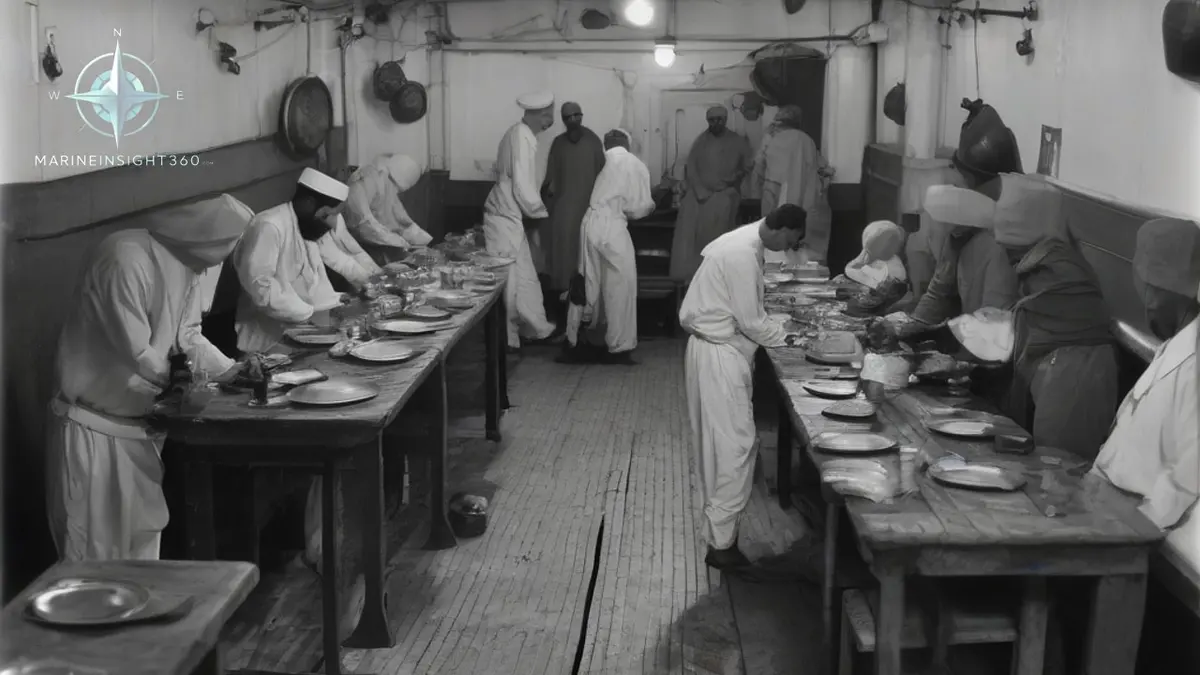
Facilities for Muslim Seafarers During Ramadan on Board Ship
Practical ship management for Ramadan: suhoor and iftar timing, watch rosters, rest hours, heat exposure, prayer space and medical screening for fasting crew.