
Why Gulf of Guinea Pirates Switched From Kidnapping Seafarers to Stealing Oil
The UN reports that Nigerian criminal networks moved from kidnapping seafarers to oil theft. What drove the shift and what ships trading the region should do.
What the UN reported
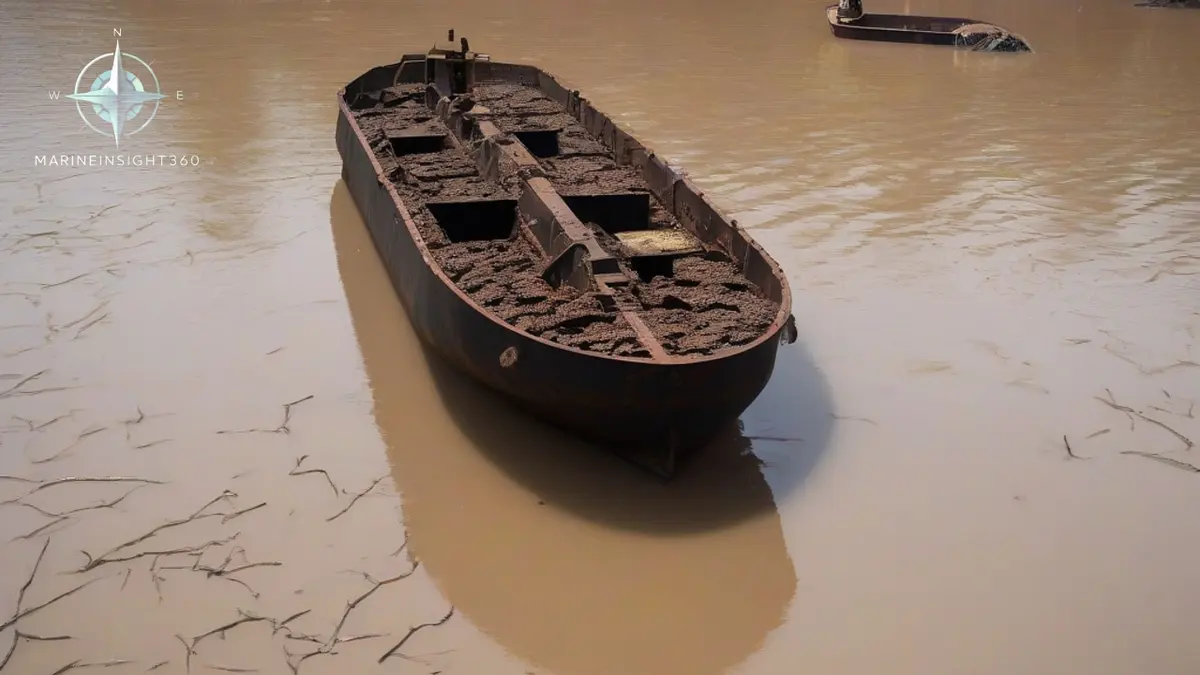
Criminal networks in the Gulf of Guinea have moved away from attacking merchant ships and kidnapping their crews. The money is now in oil theft, illegal bunkering and illegal fishing. In a briefing to the UN Security Council, Assistant Secretary-General Martha Pobee put the reason bluntly. Those crimes are seen as less risky and more profitable than boarding a ship at sea.
Reported piracy incidents in the region fell from 27 in the first nine months of 2021 to 13 in the same period of 2022. Global piracy was at its lowest level since 1992.
The scale of the alternative is what makes the switch rational for the gangs. Nigeria lost more than $2 billion to oil theft in the first eight months of 2022 alone, and national production fell below one million barrels a day in August and September of that year, a level not seen in decades.
The economics behind the shift
Kidnap for ransom is an expensive business to run. It needs skiffs capable of operating far offshore, a mother vessel, weapons, a holding location ashore and a negotiation that can drag on for weeks. Researchers tracking the trade have put total annual ransom payments for the region in the low single digit millions of dollars, split across multiple groups.
Oil theft pays better for less exposure. Product siphoned from pipelines or lifted through illegal bunkering can be moved through established buyers without the group ever meeting a naval patrol. Illegal fishing works on the same logic. Enforcement at sea has become the harder option for criminals precisely because coordinated patrols made boarding a merchant ship riskier.
What actually reduced the attacks
The improvement was not accidental. It followed sustained work under the Yaounde Code of Conduct, the regional framework covering information sharing, interdiction, prosecution and harmonized legislation across West and Central Africa. A Multinational Maritime Coordination Centre was established, and regional exercises have drawn in the large majority of the states bordering the Gulf of Guinea.
Naval presence from regional and visiting forces, better reporting through regional maritime centres, and hardening measures on ships all contributed. So did prosecution: Nigeria passing dedicated anti piracy legislation gave courts a route to convict that had not previously existed.
Kidnapping has not gone away
Falling numbers are not zero. Kidnap for ransom groups still operate, and they select senior officers deliberately: the master, the chief engineer and any crew whose nationality suggests a payer stands behind them. Victims are taken ashore into the creeks of the Niger Delta, where recovery is difficult and dangerous. Incidents continued into 2026, including an attack in March on an unflagged passenger vessel in which sixteen people were seized and later recovered by the Nigerian navy.
Attacks also happen much further offshore than crews expect. Groups have operated well beyond 100 nautical miles from the coast, so a ship is not safe simply because it is out of sight of land.
Practical protection for ships trading the region
- Complete a voyage specific threat and risk assessment before entering the reporting area, and register with the regional maritime information centre rather than relying on the agent to do it.
- Apply the West Africa best management practice: razor wire, locked and controlled access points, water spray where fitted, and a citadel that is genuinely usable with communications inside it.
- Drill the citadel muster with a full head count. Attacks in this region are fast, and a crew that reaches a citadel with two people missing has not achieved anything.
- Keep the ship moving and maintain a hard lookout at anchor and while drifting. Ships waiting off Lagos and in the anchorages are attacked more often than ships under way.
- Brief the crew that resistance against armed boarders is not expected of them, and that the plan is early detection, delay and shelter.
Why it still matters to operators
Insurance, crew retention and charterer scrutiny all move with the threat picture, and the picture in the Gulf of Guinea now varies sharply by month and by sub region. Owners who treat the fall in reported attacks as permission to relax hardening measures are reading a trend rather than a guarantee. The same networks that stopped boarding ships are still there, still armed, and still capable of returning to seafarers as targets if the oil economics change.
Sources and further reading
- The Maritime Executive: UN: Nigeria's Pirates Switch From Kidnapping Seafarers to Stealing Oil
- UN Meetings Coverage: Piracy, Armed Robbery Declining in Gulf of Guinea
- US MARAD Maritime Advisory 2026-009: Gulf of Guinea piracy and kidnapping
- Atlantic Council: Atlantic piracy, current threats, and maritime governance in the Gulf of Guinea
What to read next
Recommended Reading
Why ICCP Is Switched Off in Port: Overload, Stray Current and Spark Risk Explained
ICCP systems are switched off in port to prevent overload, stray-current damage and spark risk at the berth. Learn the reasons and the correct procedure.
Are Pirates Still Around? Where Attacks Happen and How Crews Prepare
Yes. The IMB recorded 137 piracy and armed robbery incidents in 2025, most of them in the Singapore Straits. Here is where, how, and what crews do about it.
The Gulf of Oman: Geography, Shipping Lanes and What Transiting Crews Plan For
The Gulf of Oman links the Strait of Hormuz to the Arabian Sea. Here is its geography, traffic separation scheme, ports and the transit risks crews plan for.