
Russia Fields a Floating Pillbox to Defend Against Ukraine's Drones
Explore Russia’s new floating pillbox system designed to intercept Ukrainian drones, its operational use, trade‑offs, and impact on maritime security.

Defend Against Ukraine is the focus of this article because it connects ship operators, insurers, charterers and route planners with the wider question behind Russia Fields a Floating Pillbox to Defend Against Ukraine's Drones.
What Is a Floating Pillbox and How It Works
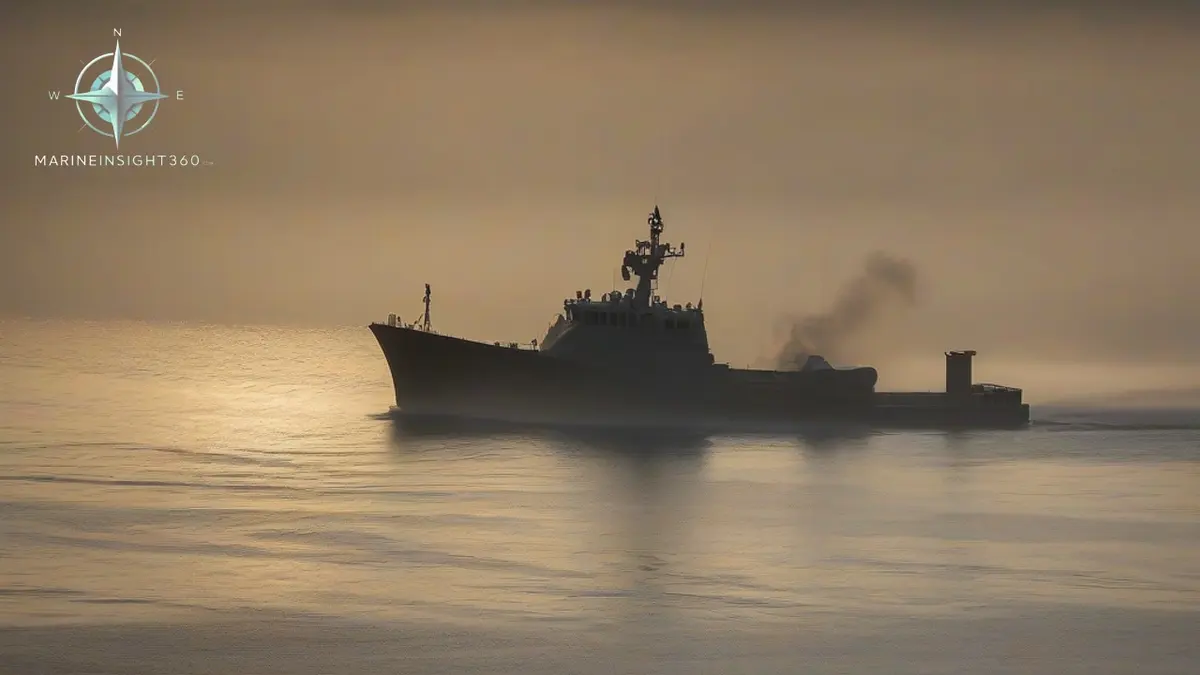
A floating pillbox is a self‑propelled, armored vessel that mounts a high‑rate‑fire weapon and a radar system. Unlike shore batteries, it can move to where a threat appears, giving a navy flexible coverage over a wide area. The Russian model carries a 30 mm autocannon and a 2 m radar array that can track drones up to 10 km away.
Why Russia Is Using It in the Black Sea
First spotted near Sevastopol, the pillbox was deployed to counter Ukrainian drones that repeatedly target Russian naval facilities. By placing the platform on a shallow‑draft hull, the Russians can protect key supply lines and shipyards from low‑flying, low‑speed UAVs that slip past conventional air defenses.
Key Decision Criteria for Operators
- Mobility – The ability to reposition quickly lets the platform cover several hotspots.
- Detection Range – A radar that spots drones beyond visual range shortens reaction time.
- Fire‑Control Accuracy – The 30 mm autocannon must hit small, fast targets reliably.
- Integration – Compatibility with ship‑borne or shore‑based command centres improves situational awareness.
Trade‑Offs and Common Mistakes
While the pillbox adds flexibility, it can create a false sense of security. Operators may rely too heavily on its rapid fire and neglect layered air‑defence tactics that combine radar, missiles and electronic warfare. The shallow draft also limits use in deep‑water ports, forcing relocation to coastal areas where the platform is more exposed.
Impact on Crew and Logistics
Crews must stay ready at all times, as drone attacks can happen unexpectedly. Maintaining the autocannon and radar requires specialised technicians. In contested zones, logistics must support quick resupply of ammunition and spare parts.
Implications for the Shipping Industry
The arrival of mobile anti‑drone platforms signals a shift in maritime security. Shipping operators in high‑risk regions should review route planning and consider the possibility of increased surveillance and interception by such systems. Knowing the strengths and limits of floating pillboxes helps in risk assessments and emergency response planning.
Next Steps for Maritime Professionals
To learn how to integrate new defence technologies into vessel operations, consult the Marine Insight 360 Shipboard Operations section. For detailed technical specifications, refer to the Marine Machinery knowledge base.
Why this matters
Defend Against Ukraine matters because maritime decisions rarely sit in one department. A route story may affect insurance, crew planning and cargo timing. A machinery topic may affect maintenance, safety permits and spare-part planning. A career question may affect training, documents and joining readiness.
For readers in the United States, United Kingdom, Europe, Canada, Australia, Singapore and other mature maritime markets, the useful angle is practical: what changes, what remains uncertain, and which checks should happen before a decision is made.
Operational context
In daily maritime work, defend against ukraine should be compared with vessel type, flag requirements, company procedures, port expectations, cargo risk and crew competence. The same topic can look different on a container ship, bulk carrier, tanker, offshore vessel, training ship or shore-side logistics desk.
That is why this article avoids treating the subject as a standalone headline. It connects the issue with the checks that ship operators, insurers, charterers and route planners can use when reading a report, preparing for a voyage, reviewing a procedure or planning a career step.
Checks for readers
- Identify whether the topic affects safety, compliance, maintenance, navigation, cargo, careers or commercial planning.
- Confirm the latest company procedure, official notice, training requirement or port instruction before acting.
- Separate background context from instructions that require a qualified officer, engineer, surveyor or shore-side approval.
- Use related Marine Insight 360 pages to build a stronger topic cluster instead of reading one article in isolation.
Evidence and trust signals
A useful maritime article should show where the reader needs evidence, even when the page is an explainer rather than a breaking-news report. Look for dates, vessel context, source attribution, regulatory references, equipment details, route names, job requirements or operational constraints that can be verified.
When evidence is missing or the situation is changing, treat the article as a starting point. For safety-critical, legal, medical, immigration, training or commercial decisions, confirm the details through official channels and qualified professionals.
For connected route-risk and trade coverage, continue with the maritime markets hub.
Recommended Reading
Ukraine Continues Attacks on Russia’s Black Sea Patrol Boats
Explore how Ukraine’s ongoing strikes on Russian patrol boats in the Black Sea affect shipping, security measures, and operational planning for global maritime

Russia to Provide Arctic Navigation Training to Chinese Seafarers
Russia will provide Arctic navigation training to Chinese seafarers, offering crews essential skills for safe polar operations. Learn why this matters for globa

Do You Know About World's Largest Floating Solar Farm?
The world's largest floating solar farm is the Anhui Fuyang Nanfang Wind Power Station, a solar-energy storage facility in China with a total installed…