
Saudi Arabia Launches Maritime Coalition to Strengthen Security in the Red Sea
Learn saudi arabia launches maritime coalition with practical maritime context, safety checks, operational guidance and related resources for global...
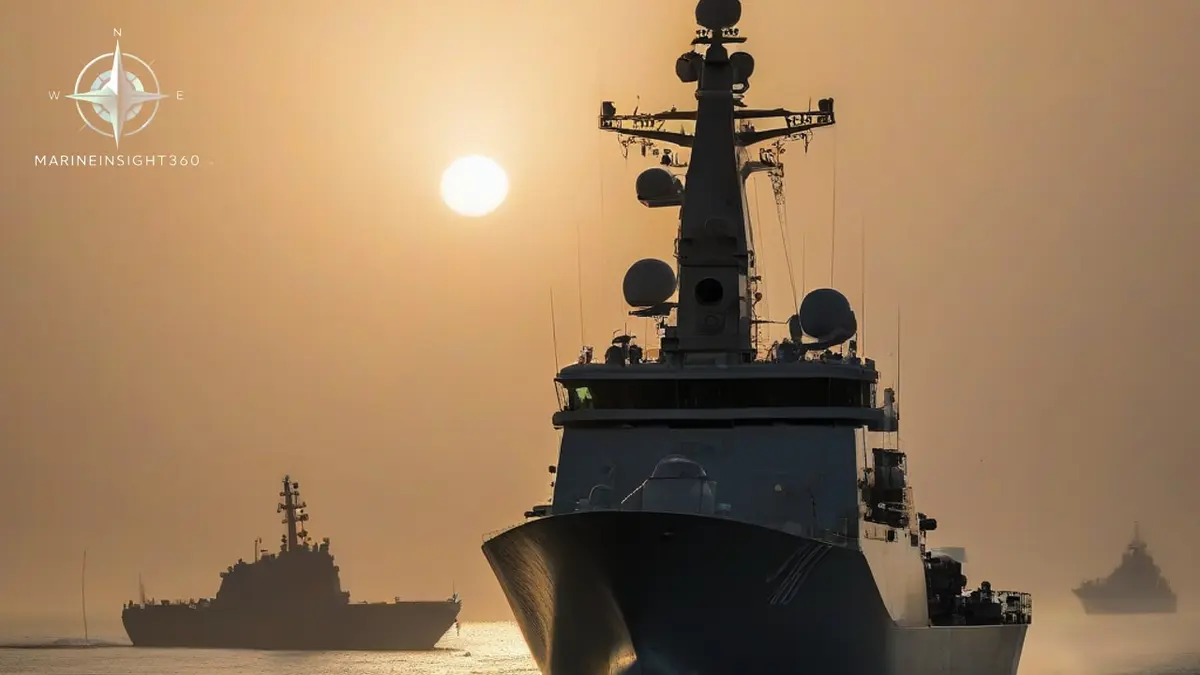
What the Coalition Means for Your Voyage
Saudi Arabia has formed a 14-nation Red Sea maritime coalition, built on Combined Task Force 153, that will tighten monitoring and defence of the Red Sea and the Gulf of Aden. Crews and operators will have to fit its real-time advisories and single command structure into routing, communication and drills.
For seafarers, cadets and shipping professionals, the shift signals a new layer of security oversight. It changes how vessels will be tracked, how they must report, and what drills they may be asked to perform. Understanding these changes early can keep crews safe and avoid costly delays.
How the New Alliance Builds on CTF‑153
Combined Task Force 153 (CTF‑153) was created in April last year to enhance maritime security in the Red Sea, Bab el‑Mandeb, and Gulf of Aden. It now includes 39 member states, covering most of the region’s key chokepoints.
The 14‑nation coalition will dovetail with CTF‑153’s operations. While CTF‑153 focuses on intelligence sharing and coordinated patrols, the new alliance is expected to bring additional naval assets, joint exercises, and a unified command structure to deter attacks on commercial shipping.
By pooling resources, the coalition can increase surveillance coverage, improve response times, and present a unified deterrent posture against Iran‑backed Houthi attacks. The partnership underscores the importance of collective security in a region where the Houthis have repeatedly targeted vessels.
Operational Changes You’ll Need to Make
Updated Routing Information – The coalition will publish real‑time advisories on high‑risk zones and recommended safe passages. Vessels must incorporate these updates into voyage planning software and daily briefings.
Enhanced Communication Protocols – Ships will be required to maintain contact with coalition command centers, especially during high‑risk periods. This may involve installing or upgrading secure radio or satellite links.
Security Drills – Crews may be asked to participate in joint drills or briefings to align with coalition procedures. These exercises can increase workload but provide a clearer safety net.
Operators must weigh the cost of additional communication equipment and training against the potential savings from avoiding rerouting or damage claims. A well‑prepared crew can reduce the likelihood of incidents and the associated insurance premiums.
Decision‑Making Checklist for Shipping Companies
Risk Assessment – Compare the likelihood of an attack in the Red Sea versus alternative routes, factoring in recent incident data. Consider the coalition’s real‑time advisories when estimating risk.
Insurance Implications – Some insurers may offer lower premiums for vessels that comply with coalition guidelines. Verify coverage terms with your broker before adjusting routes.
Operational Cost – Rerouting can add fuel costs and delay deliveries; staying on the Red Sea may be cheaper if security is assured. Use cost‑benefit analysis to decide.
Regulatory Compliance – Ensure that any new procedures align with flag state and port state control requirements. Early adoption may streamline clearance at ports that recognize the alliance’s authority.
Companies that adopt the coalition’s protocols early may benefit from smoother port operations and potential insurance discounts.
Avoiding Common Pitfalls
Ignoring Local Advisories – Relying solely on global navigation charts can miss real‑time threat updates issued by the coalition. Always cross‑check with the latest advisories.
Underestimating Communication Needs – Failing to establish reliable links with coalition command can delay response during an incident. Test systems before departure.
Overlooking Crew Training – Without proper briefings, crews may not know how to react to a hostile event, increasing risk. Schedule regular drills and refresher courses.
Neglecting Documentation – Not keeping records of compliance with coalition protocols can lead to penalties during inspections. Maintain detailed logs of all security‑related actions.
Addressing these issues requires a proactive approach: integrate coalition updates into voyage planning, conduct regular drills, and maintain detailed logs of all security‑related actions.
Next Steps and Resources
Shipping professionals should consult the Marine Insight 360 Knowledge Base for detailed guidance on:
- Coordinating with Combined Task Forces
- Implementing security protocols in high‑risk zones
- Managing insurance and regulatory compliance in the Red Sea
Engage with your flag state’s maritime authority to confirm any new requirements and seek clarification on how the coalition’s activities intersect with existing national regulations.
Why This Matters to the Industry
The coalition’s formation reflects a broader trend of regional cooperation to safeguard critical maritime trade lanes. For operators, understanding and integrating these new security measures can reduce risk, protect crew safety, and maintain supply chain reliability.
Recommended Reading
Nigeria joins Saudi-led Red Sea defence alliance
Nigeria has joined a 14‑nation naval alliance led by Saudi Arabia to protect key shipping lanes in the Red Sea. Find out what it means for vessels, crews and po
The Importance of Port Security
Introduction: Why Port Security Can No Longer Be an Afterthought Every single day, more than 90% of the world's traded goods pass through ports. These...

Commercial Port Security Management
Commercial Port Security Management: ports, trade and shipping-market context for US, UK, Canada, Australia, Singapore and European maritime readers.