
Seas Turning Red
Find out which seas turned red, why they did, and what safety steps mariners should take. Includes causes, health advice, and operational guidance.
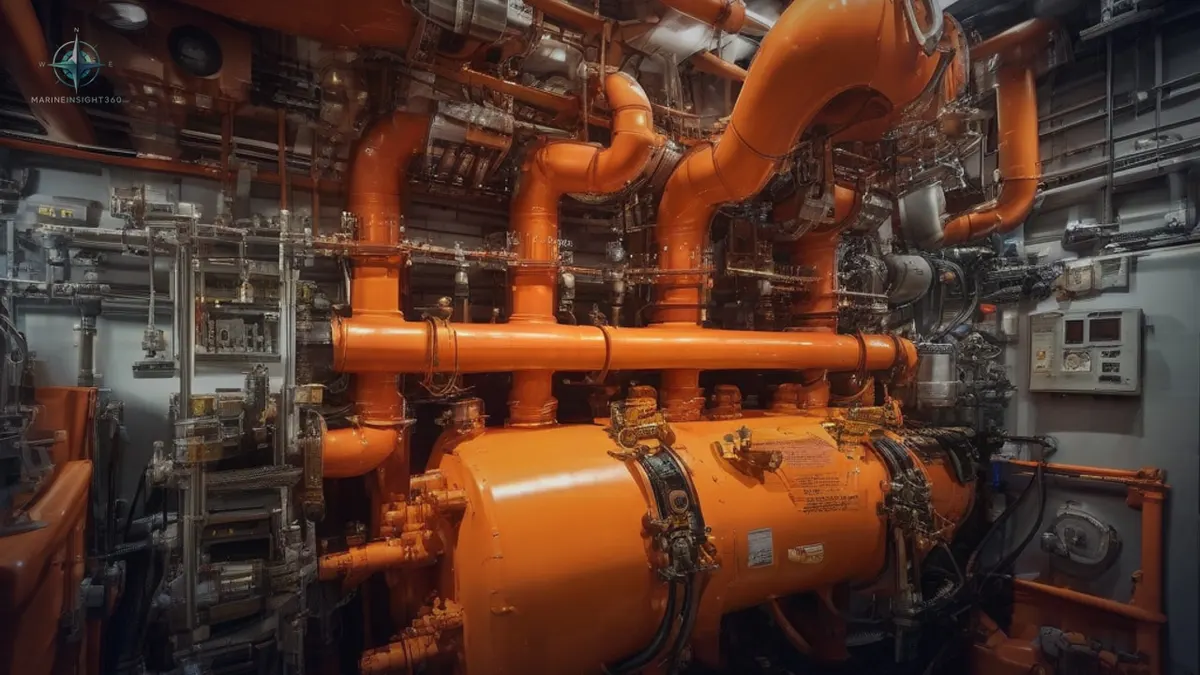
Seas Turning Red is the focus of this article because it connects marine engineers, engine ratings and technical managers with the wider question behind Seas Turning Red.
What Sea Turned Red: Understanding the Causes and Safety Implications
When a sea turns red, it can be a concerning sight for seafarers, cadets, and port operators. Recent reports of red seas in various locations, including Israel's Sea of Galilee, India's coastal waters near Puducherry, Vietnam's Vung Tau Bay, and Iran's Hormuz Island coastline, highlight the need to understand the causes of this phenomenon and its potential impact on safety and operations.
Distinct Biological and Geological Triggers The causes of red seas can vary widely, depending on the location and circumstances.
For example: * Sea of Galilee (Israel) : A green algae was reportedly responsible for the red hue, but the specific details and safety implications are not provided in the available evidence. * Puducherry (India) : A harmful algal bloom was reported, but the available evidence does not provide information on the cause, safety implications, or duration of the event. * Vung Tau (Vietnam) : A cyanobacterial bloom was reported, but the available evidence does not provide information on the cause, safety implications, or duration of the event.
* Hormuz Island (Iran) : Heavy rain washed iron-oxide-rich soil into the sea, but the available evidence does not provide information on the safety implications or duration of the event. Safety Implications for Crew and Passengers The safety implications of red-water events are not consistently reported in the available evidence. However, it is essential to follow local advisories and take precautions to minimize potential risks. These may include: * Swimming and recreation : Follow local advisories to minimize potential risks.
* Fishing operations : Verify with local health officials before loading catch to ensure it is safe for consumption. * Engine cooling intake : Take precautions to prevent clogging of filters, such as scheduling extra cleaning if operating near affected waters. How Common Are Red-Water Events and What Trends Are Emerging? Red-tinged seas are episodic, but the available evidence does not provide information on their frequency or trends.
Decision Criteria for Navigating Red-Water Zones When a red appearance is reported, evaluate the available information and follow local advisories to minimize potential risks.
This may involve: * Source identification : Look for official bulletins to identify the cause of the color change. * Health advisories : Follow local health advisories to minimize potential risks. * Operational impact : Assess the potential risks to cooling systems, deck equipment, and cargo. Monitoring, Mitigation, and Regulatory Context Internationally, the International Maritime Organization (IMO) encourages ports to share HAB alerts via the Global Maritime Distress and Safety System (GMDSS).
In the United States, NOAA's National Ocean Service provides daily red-tide forecasts. Mitigation measures are largely preventative, such as reducing nutrient runoff and improving wastewater treatment. Operational Impact on Shipping and Crew Welfare Red-water events can affect schedule reliability and crew morale. Clear communication about safety mitigates anxiety. From a cargo perspective, perishable goods require extra scrutiny. Verify that local health officials have cleared the catch before loading.
Next Steps for Mariners Stay informed through official sources and follow local advisories to minimize potential risks.
Why this matters
Seas Turning Red matters because maritime decisions rarely sit in one department. A route story may affect insurance, crew planning and cargo timing. A machinery topic may affect maintenance, safety permits and spare-part planning. A career question may affect training, documents and joining readiness.
For readers in the United States, United Kingdom, Europe, Canada, Australia, Singapore and other mature maritime markets, the useful angle is practical: what changes, what remains uncertain, and which checks should happen before a decision is made.
Operational context
In daily maritime work, seas turning red should be compared with vessel type, flag requirements, company procedures, port expectations, cargo risk and crew competence. The same topic can look different on a container ship, bulk carrier, tanker, offshore vessel, training ship or shore-side logistics desk.
That is why this article avoids treating the subject as a standalone headline. It connects the issue with the checks that marine engineers, engine ratings and technical managers can use when reading a report, preparing for a voyage, reviewing a procedure or planning a career step.
Checks for readers
- Identify whether the topic affects safety, compliance, maintenance, navigation, cargo, careers or commercial planning.
- Confirm the latest company procedure, official notice, training requirement or port instruction before acting.
- Separate background context from instructions that require a qualified officer, engineer, surveyor or shore-side approval.
- Use related Marine Insight 360 pages to build a stronger topic cluster instead of reading one article in isolation.
For related equipment checks and troubleshooting guides, continue with the marine machinery knowledge base.
Next steps
For related equipment checks and troubleshooting guides, continue with the marine machinery knowledge base. Use the linked hub to compare the topic with related guidance before making operational, training or commercial decisions.
Recommended Reading
Seas Bordering Italy
Geographic overview of Italian maritime borders for maritime professionals and enthusiasts.
Understanding a Turning Circle in Ship
Understanding a Turning Circle in Ship: regulatory and compliance context for US, UK, Canada, Australia, Singapore and European maritime readers.
Is Sea Of Galilee Turning Red?
Is Sea Of Galilee Turning Red?: shipboard and port-operations context for US, UK, Canada, Australia, Singapore and European maritime readers.