
How to Style a Navy Blue Suit for Every Occasion
From formal weddings and high-profile nights to professional interviews and business meetings, a navy blue suit for men is a fail-proof choice for almost…
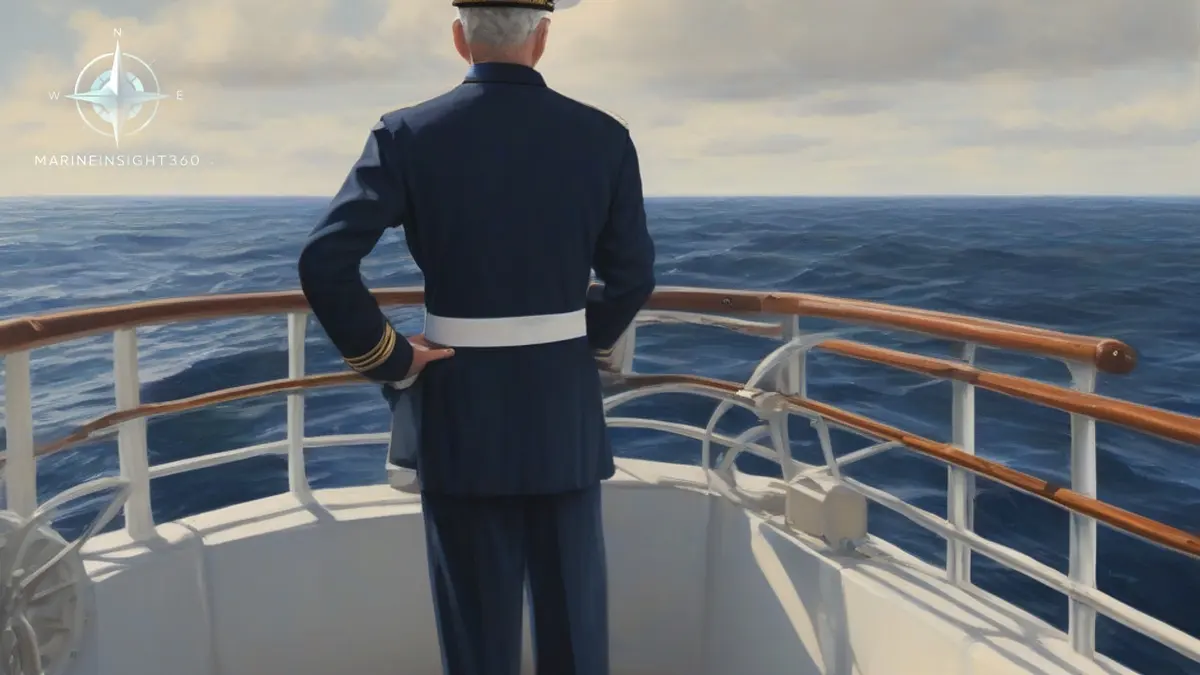
Why a Navy Blue Suit Is a Seafarer’s Go‑To Choice
A navy blue suit is the maritime equivalent of a well‑built hull: reliable, versatile, and always in style. Whether you’re attending a shipyard board meeting, a port authority interview, or a formal dinner on a cruise liner, the navy suit delivers a professional look that signals competence and calm. Its deep hue works in any lighting, from the bright glare of a sunny deck to the dim glow of a ship’s galley.
It pairs easily with the uniform colours of many ports and can be worn year‑round, making it a cost‑effective investment for any crew member or shipping executive.
Choosing the Right Shade and Fabric
Not all navy suits are created equal. A true navy (300 mm (12 in) deep blue) offers the most formal impression, while a slightly lighter blue can feel more relaxed. When selecting fabric, consider the climate and the setting:
- Wool blends – Ideal for cooler ports; they hold shape and resist wrinkles.
- Polyester‑wool mixes – Offer wrinkle resistance and are easier to care for on long voyages.
- Lightweight cotton – Best for tropical climates; breathable but less formal.
Remember, a well‑cut suit should fit the shoulders, taper at the waist, and have a clean line at the hips. A poorly fitted navy suit can look sloppy, regardless of the colour.
Shirt Selection: Colour, Pattern, and Comfort
Plain Shirts – The Classic Foundation
For a traditional look, pair your navy suit with a crisp white shirt. The stark contrast is timeless and signals professionalism. If you prefer a subtle shift, a light blue shirt (300 mm (12 in) light blue) offers gentle contrast while maintaining a cohesive palette. A navy shirt can also work, especially if it has a textured weave that adds depth without clashing.
Neutral Tones – Gray and Tan
Silver to anthracite grey shirts bring a sophisticated edge, while tan or light brown shirts soften the overall appearance. These neutrals are excellent for daytime events or when you want a less formal vibe.
Pastels and Bold Colours – Pink, Purple, and Red
Pastel pink or purple shirts can add a touch of personality, suitable for less formal gatherings or port celebrations. A red shirt is striking but best reserved for special occasions; it can dominate the outfit if not balanced properly.
Patterned Shirts – Adding Texture Without Overpowering
Patterns can break the monotony of a solid suit. Consider:
- Floral prints – White base with blue or pink accents.
- Stripes – Cream or brown shirts with subtle grayscale stripes.
- Plaid – Geometric patterns for a smart‑casual feel.
- Twill – A textured weave that contrasts nicely with the suit’s smoothness.
- Paisley – Bold, colourful patterns for a nautical flair.
When matching a patterned shirt, avoid repeating the same pattern on the tie to prevent visual clutter.
Choosing the Right Tie
The tie should complement both the shirt and the suit. Here are quick pairings:
- White shirt – yellow, maroon, black, or floral tie.
- Blue shirt – a pop of colour, such as pink flowers.
- Gray shirt – black, burgundy, navy, or mustard tie.
- Tan shirt – knit or tweed tie in muted tones.
- Pastel shirt – dark blue tie.
- Red shirt – navy striped tie for a nautical look.
- Patterned shirt – choose a complementary pattern; avoid matching patterns.
When in doubt, a slim black tie offers a safe, professional choice for most maritime settings.
Belt and Shoe Coordination
Matching your belt and shoes creates a seamless look. If you wear a brown belt, choose brown leather shoes; if you opt for a black belt, black leather shoes are appropriate. Avoid blue belts with black shoes, as the contrast can look jarring.
Recommended shoe styles for navy suits include:
- Navy or tan suede oxfords.
- Dark brown leather boots.
- Tan wingtip brogues.
Accessories That Finish the Look
Subtle accessories can elevate your outfit without overpowering it:
- Petrol‑cloth tie needle – keeps the tie in place during long voyages.
- Cufflinks – choose metal or enamel that matches the suit’s tone.
- Pin – a discreet emblem can signal affiliation with a port authority or maritime organization.
Keep accessories minimal; the focus should remain on the suit’s clean lines.
Common Mistakes to Avoid
- Choosing a suit that is too dark for the occasion – a lighter navy can be more appropriate for daytime events.
- Mixing patterns that clash – avoid vertical stripes on vertical stripes or repeating the same motif on shirt and tie.
- Forgetting to match belt and shoes – mismatched accessories break the visual harmony.
- Over‑accessorising – a single cufflink or tie pin is enough for a professional setting.
Practical Tips for Seafarers on the Move
- Opt for wrinkle‑resistant fabrics to keep the suit looking sharp between port calls.
- Carry a compact garment steamer or a travel iron to refresh the suit after long shifts.
- Store the suit in a breathable garment bag to prevent mildew on humid decks.
- When travelling, pack a small, high‑quality tie clip to keep the tie from slipping during rough seas.
Next Steps for the Maritime Professional
With a navy blue suit properly styled, you’re ready to make a strong impression at any maritime event. For deeper guidance on uniform standards, port etiquette, or career advancement, explore Marine Insight 360’s Merchant Navy Careers section or the Shipboard Operations knowledge base.
Recommended Reading
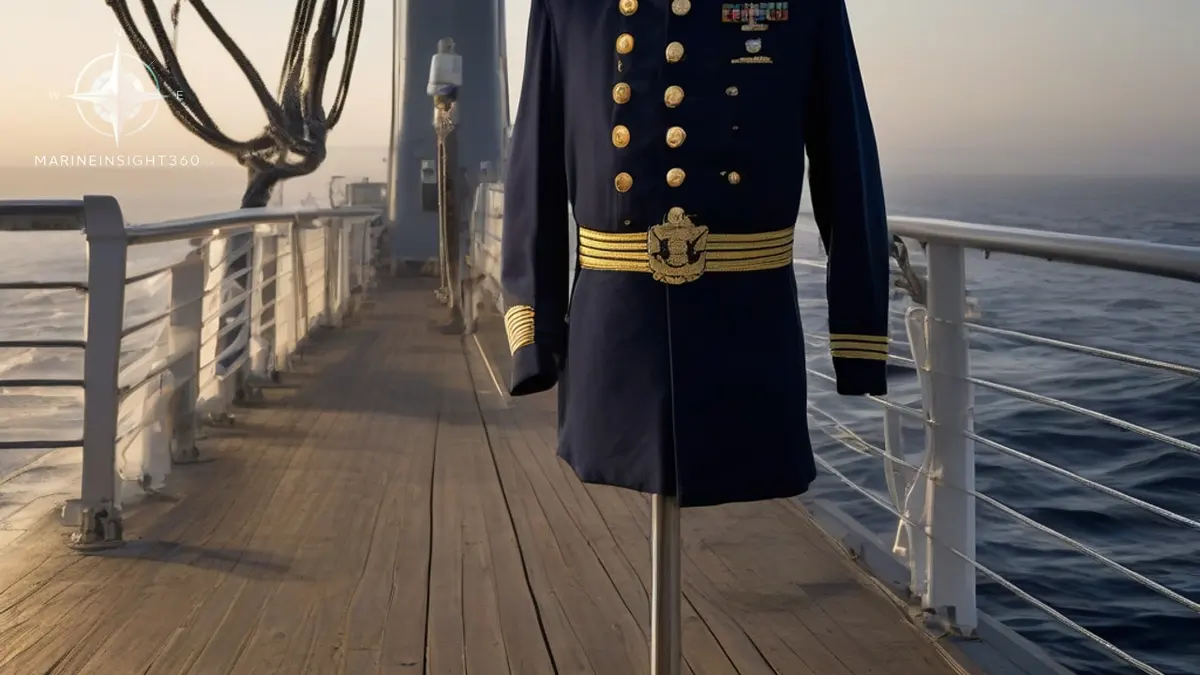
Top 10 Navy Blue Suit Brands That Will Make You Stand
Isn't it possible for a Navy Blue Suit to look and feel great but be super cheap? That way, it could rank higher than a much more expensive suit that is…

Marine Fire Safety: What the FSS Code Requires on Every Ship
How marine fire safety works under the FSS Code: fire mains and pumps, fixed gas and sprinkler systems, detection, escape gear and the drills that bind it all.
Average Merchant Navy Salary in US & UK
The Merchant Navy offers a thrilling career, blending high seas adventure with competitive salaries and global travel. Whether you’re eyeing a role as a…