
Supercarrier USS John F. Kennedy Gets Underway for Acceptance Trials
Learn what acceptance trials mean for the new supercarrier and how the process offers lessons for commercial shipping.
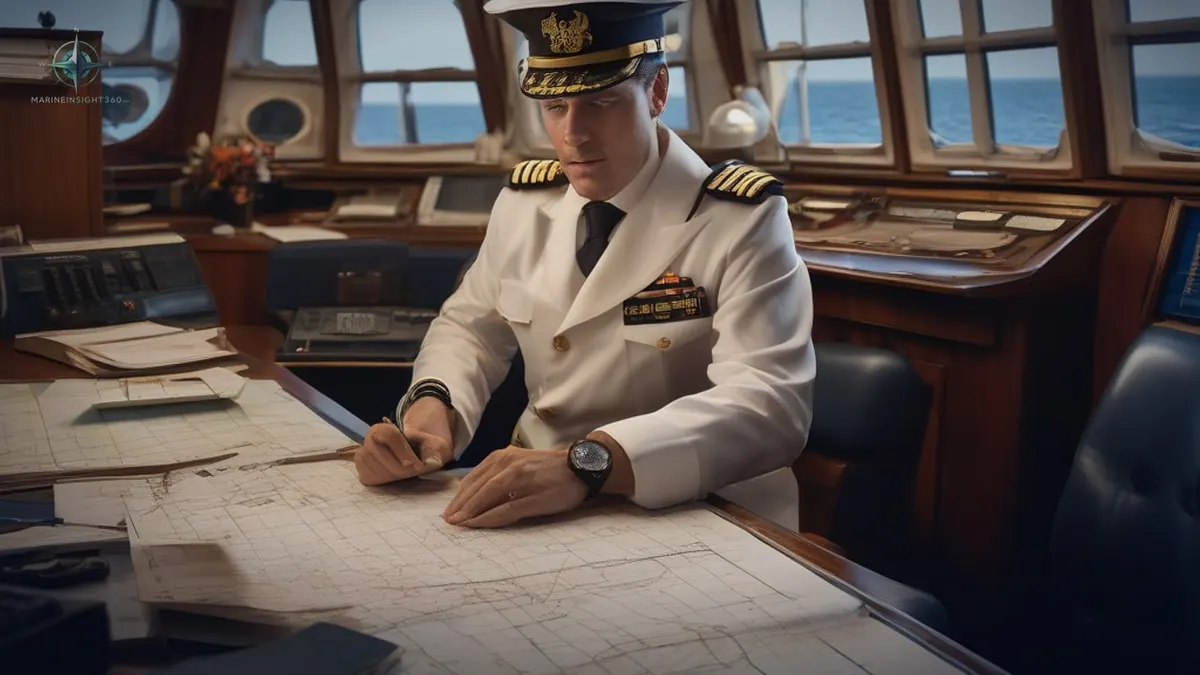
Supercarrier Uss John is the focus of this article because it connects cadets, officers, ratings, recruiters and maritime students with the wider question behind Supercarrier USS John F. Kennedy Gets Underway for Acceptance Trials.
USS John F. Kennedy Begins Acceptance Trials
The United States Navy’s newest Nimitz‑class supercarrier, the USS John F. Kennedy (CVN‑79), has left port to start its acceptance trials. These trials are the final step before the ship can be formally accepted into active service and will test every system from flight‑deck operations to combat electronics.
What Acceptance Trials Mean for a New Carrier
Acceptance trials are a comprehensive, ship‑wide evaluation conducted by the Navy and the shipbuilder. They verify that the vessel meets every design specification, safety standard and operational requirement set out in the contract. For a supercarrier, this includes:
- Flight‑deck performance – testing aircraft launch and recovery, deck lighting, and fire‑suppression systems.
- Propulsion and power – ensuring the nuclear reactors, turbines and electrical grid deliver the required thrust and redundancy.
- Combat systems – validating radar, missile launchers and electronic‑countermeasure suites.
- Habitability and logistics – checking crew accommodations, galley capacity and medical facilities.
Successful completion of these trials is mandatory before the ship can be commissioned and assigned to a carrier strike group.
Why the Trials Matter to Seafarers and Shipping Professionals
While a nuclear‑powered aircraft carrier operates in a very different environment from commercial vessels, the acceptance process shares key lessons for all maritime operators:
- Rigorous testing reduces long‑term costs – identifying defects early prevents expensive retrofits or operational disruptions.
- System integration is critical – modern ships rely on complex software and hardware networks; any mismatch can compromise safety.
- Crew training is integral – trials involve live drills that mirror real‑world scenarios, underscoring the importance of thorough crew preparation.
Shipping companies can apply these principles when commissioning new LNG carriers, container vessels or offshore support ships.
Key Milestones in the USS John F. Kennedy’s Development
Although the source only reports the start of trials, the carrier’s history provides useful context:
- Contract awarded – 2012, to Newport News Shipbuilding.
- Keel laid – 2014, marking the start of construction.
- Launch – 2017, when the hull was floated for the first time.
- Commissioning – 2023, after trials and crew training.
Each milestone required coordination between the Navy, the shipyard and subcontractors, illustrating the scale of modern shipbuilding projects.
Operational Impact for the U.S. Navy and Allies
Once accepted, the USS John F. Kennedy will join the U.S. Fifth Fleet’s carrier strike group. Its presence enhances power projection in the Indo‑Pacific and supports joint exercises with allies in the region. For seafarers, the carrier’s advanced logistics and medical facilities set a benchmark for crew welfare on long‑haul vessels.
What to Watch During the Trials
Industry observers will focus on several critical areas:
- Flight‑deck safety – any failure in the arresting gear or catapult system could jeopardise aircraft operations.
- Nuclear safety – the reactors must meet stringent containment and emergency shutdown standards.
- Cybersecurity – modern carriers rely on networked systems; protecting these from intrusion is paramount.
Successful completion will signal that the carrier is ready for the demanding operational tempo of the 21st‑century naval environment.
Next Steps for the Carrier and the Maritime Community
After trials, the ship will undergo a final commissioning ceremony and then be assigned to a carrier strike group. Shipping professionals can learn from the USS John F. Kennedy’s process by:
- Ensuring rigorous pre‑delivery testing of new vessels.
- Investing in crew training that mirrors real‑world scenarios.
- Prioritising system integration and cybersecurity from the earliest design stages.
These practices help reduce downtime, improve safety and extend the service life of commercial fleets.
Why This Matters to You
For seafarers, cadets and shipping executives, the USS John F. Kennedy’s acceptance trials demonstrate the level of scrutiny required for complex maritime assets. By applying the same standards to commercial vessels, the industry can achieve higher reliability, safety and operational efficiency.
Next steps for further learning: Explore Marine Insight 360’s Shipboard Operations section for detailed guides on vessel testing and crew training, or visit the Marine Machinery section to understand the engineering behind large‑scale propulsion systems.
Operational context
In daily maritime work, supercarrier uss john should be compared with vessel type, flag requirements, company procedures, port expectations, cargo risk and crew competence. The same topic can look different on a container ship, bulk carrier, tanker, offshore vessel, training ship or shore-side logistics desk.
That is why this article avoids treating the subject as a standalone headline. It connects the issue with the checks that cadets, officers, ratings, recruiters and maritime students can use when reading a report, preparing for a voyage, reviewing a procedure or planning a career step.
For related career routes, eligibility and rank guidance, continue with the merchant navy career hub.
Recommended Reading
Cable Laying Ship: How Submarine Cable Is Installed
How a cable laying ship stores, pays out and buries submarine cable, why DP2 redundancy matters, and the signals other vessels must read at sea.
National Oceanic and Atmospheric Administration: What NOAA Means for Mariners
What the National Oceanic and Atmospheric Administration provides working mariners: electronic charts, marine forecasts, tide data and real-time observations.
Chemical Cargoes List: Reading IBC Code Chapter 17
A practical guide to the chemical cargoes list in IBC Code chapter 17: how to read an entry, ship types 1 to 3, pollution categories and MEPC.2 products.