
Suspected Smuggling Vessel Intercepted by U.S. Coast Guard off San Diego: How Panga Interdictions Work
A suspected smuggling vessel intercepted off San Diego shows how panga interdictions work, why these transits are lethal, and what other mariners should do.
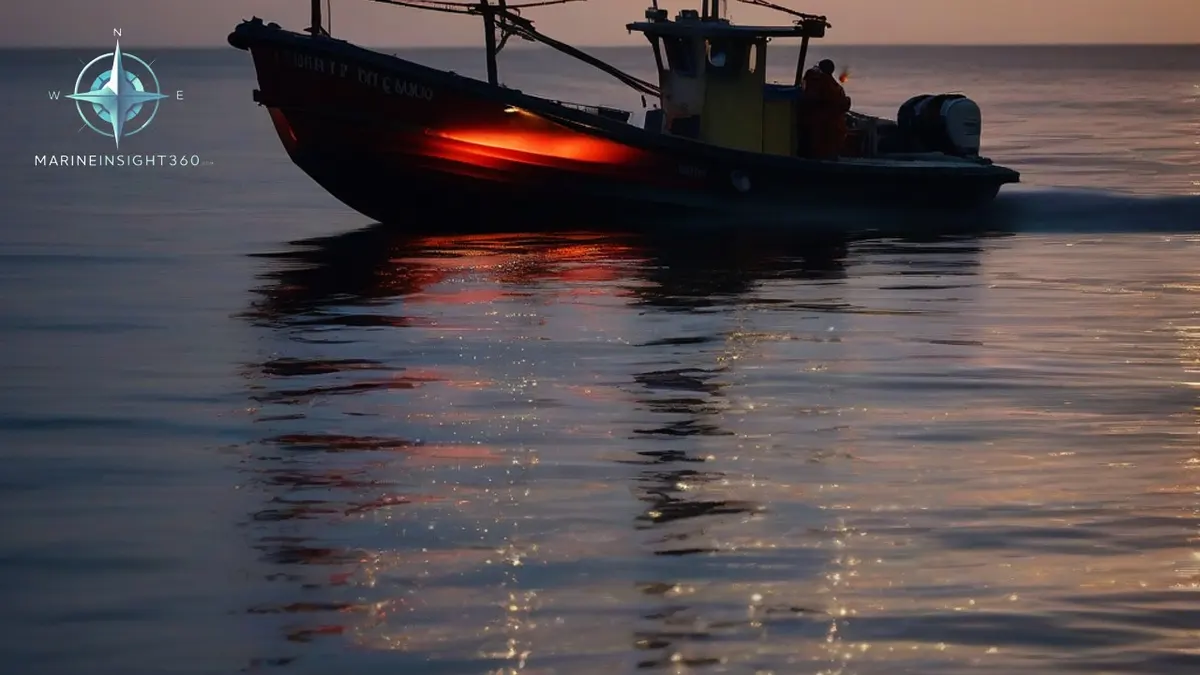
What Happens When the Coast Guard Intercepts a Panga off San Diego?
A suspected smuggling vessel intercepted off San Diego is handled by a set chain of events. A Coast Guard aircraft spots the small, unlit boat and alerts a cutter, a boarding team takes the vessel, and everyone aboard is transferred to Customs and Border Protection (CBP). The boat is usually seized, and the crew is processed at Ballast Point. This routine is designed to protect lives and enforce U.S. law in a busy coastal area.
Why Pangas Are Chosen for Smuggling
A panga is an 18‑to‑30‑foot fiberglass open boat built for artisanal fishing. Its high bow, flat bottom, and low radar profile make it attractive to smugglers. They overload it with people, run it without lights, and often use unqualified operators. The low purchase price and ability to beach on an open coast make it a cheap, disposable tool for illegal crossings.
Key Safety Hazards on the Southern California Bight
- Overloading – An 18‑foot hull can hold only a few passengers safely. With 15–20 people aboard, freeboard drops to almost nothing, and a single wave can swamp the boat.
- No lifejackets – Buoyancy aids are rarely carried or worn, increasing the risk of drowning.
- Hypothermia – Coastal water off San Diego stays below body temperature year‑round. An unprotected person can survive only a few hours in the water.
- Surf landings – Running a loaded open boat onto an unfamiliar beach in darkness is the most dangerous part of the passage and has caused multiple capsizes.
- No communications – Dark‑operated boats often lack VHF, EPIRB, or any reliable way to call for help.
How Detection and Interdiction Work
Detection relies on layered surveillance. Fixed‑wing aircraft (HC‑130), helicopters, cutters, and CBP vessels patrol the area. Shore radar and reports from other mariners fill gaps. When a vessel is stopped, the Coast Guard acts as both law enforcer and lifesaver: crew are taken aboard the cutter, given medical care, and handed over to CBP, who typically process them at Ballast Point for Border Patrol. The vessel itself is usually seized.
What Other Mariners Should Do If They Spot a Panga
- Report immediately – Use VHF Channel 16 to give position, course, speed, description, and number of people. Timely reporting is the most valuable contribution.
- Do not board or corral – Interdiction is a law‑enforcement function. Approaching a loaded small craft can cause panic and capsizing.
- Maintain visual contact if safe – Keep the vessel in sight and continue reporting updates.
- Render assistance if in distress – Under SOLAS and U.S. rules, you must help. Recover people, treat for hypothermia, and inform the Coast Guard immediately.
- Log everything – Record times, positions, actions, and communications. This information may be needed if the incident becomes a case.
The Operational Cost of Interdictions
Each interdiction consumes aircraft hours, cutter time, and boarding team capacity that could otherwise support search and rescue or fisheries enforcement. When a smuggling attempt fails, the same units may be called to a mass rescue in darkness near a surf line—one of the Coast Guard’s most demanding tasks. Early sightings give the Coast Guard a chance to intervene before a boat becomes a rescue scenario.
Legal Authority Behind the Stops
USCG boarding teams operate under U.S. law‑enforcement powers over vessels subject to U.S. jurisdiction. CBP Air and Marine Operations flies and sails alongside them. Sightings reported by merchant and fishing vessels reach the Coast Guard sector command, which also coordinates search and rescue for the Southern California coast. District press releases provide the most reliable public record of interdictions off Point Loma.
Why This Matters to You
Understanding the routine and risks of panga interdictions helps mariners navigate the Southern California bight safely and responsibly. By reporting suspicious vessels promptly and knowing when to assist, you can protect lives and support law‑enforcement efforts without compromising your own safety.
Why the water disables a swimmer before it chills one
The hypothermia bullet above is the slow half of the problem. Sudden immersion in water in the mid-teens Celsius triggers cold shock first: an involuntary gasp, then a minute or two of hyperventilation nobody can suppress. A gasp taken underwater is how people drown in the first minute, fully clothed and a short swim from the boat.
The stage after that is incapacitation. Blood moves away from the limbs, grip and coordination fade, and useful swimming is generally gone within about ten minutes. Hypothermia proper takes an hour or more to set in. Most people in the water have already lost the ability to help themselves well before it arrives.
Cold water training summarises the sequence as one, ten, one: roughly one minute to get breathing under control, ten minutes of meaningful movement, one hour before unconsciousness. It is also why a lifejacket matters more than swimming ability. Someone who floats without effort through that first minute survives a stage that strength alone does not.
The operational read for a merchant or fishing vessel is that recovery time is the variable that counts. A smuggling vessel intercepted at night can put its whole complement in the water at once if the hull rolls during the stop. Related guidance sits in the maritime safety equipment guide and the small craft survey guide.
Next Steps
For more detailed guidance on maritime safety and interdiction procedures, visit Marine Insight 360’s Maritime Safety section or consult the Knowledge Base on Coast Guard operations.
Recommended Reading
Italian Coast Guard Detains Livestock Carrier With 54 Safety Deficiencies
Italy detained the livestock carrier Blue Ocean A at Cagliari after 54 deficiencies. How Paris MoU detention works and why converted stock ships fail.
USCG Licensing Exam: How the Coast Guard Tests Deck and Engineer Officers
How the USCG licensing exam works: NMC modules, Regional Exam Centers, allowed references, passing scores, retest rules and a realistic preparation plan.
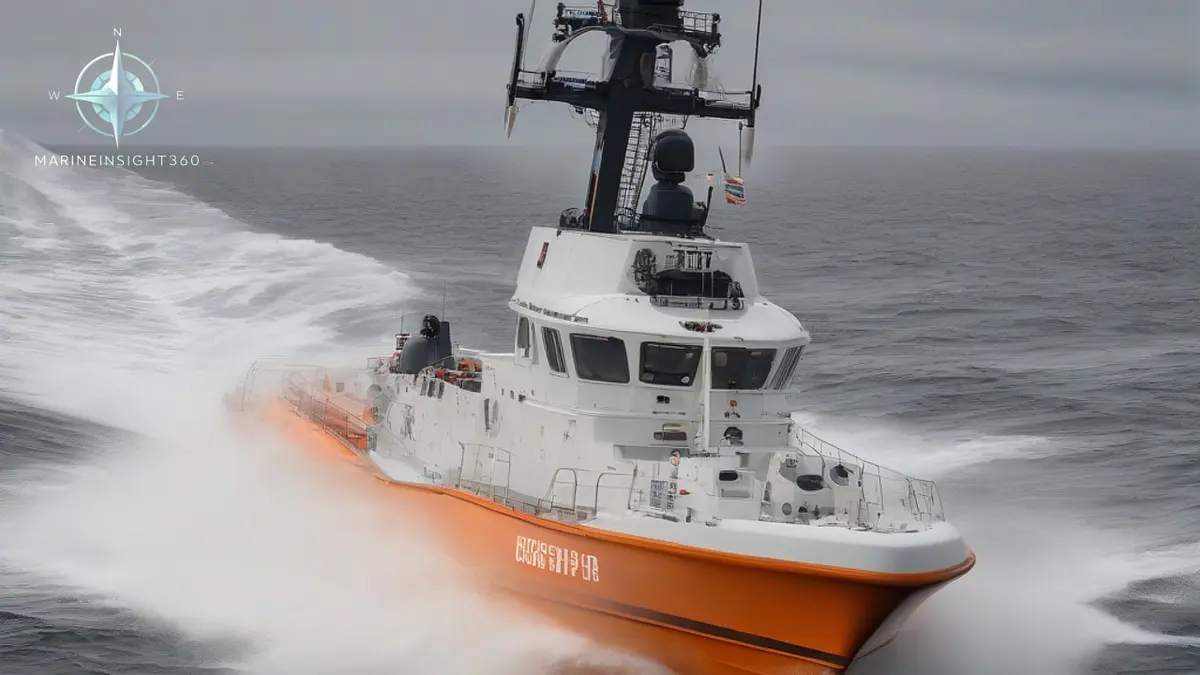
Coast Guard Fast Response Cutters: The 154 Foot Sentinel Class Explained
What Coast Guard fast response cutters do, the Sentinel class dimensions and speed, and what merchant crews should expect when one comes alongside.