
UAE Suspends Trade With Iran Following Antiship Missile Strike
Find out how the UAE’s trade halt with Iran affects shipping routes, insurance, and port operations worldwide.
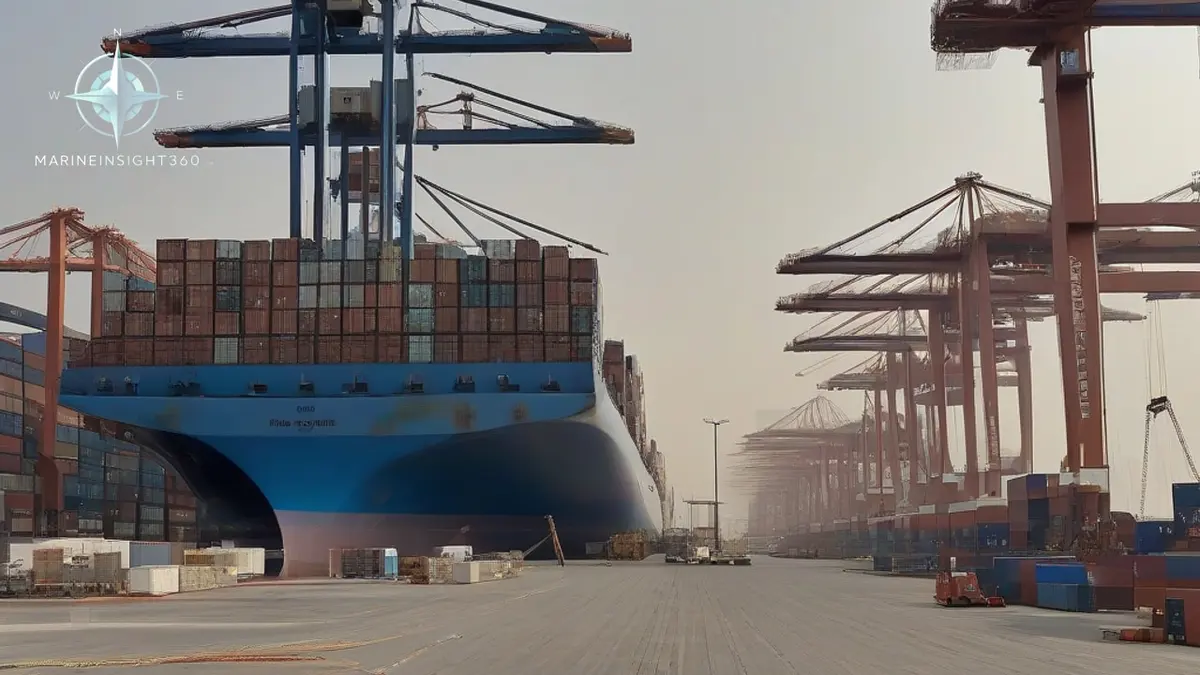
UAE’s trade suspension with Iran adds hours, costs and compliance checks for Gulf shipping
Effective immediately, the United Arab Emirates has halted all trade with Iran after an Iranian antiship missile struck a UAE‑flagged vessel. Vessels that normally call at Dubai, Abu Dhabi or Ras Al Khaimah must now reroute to Oman, Qatar or Saudi Arabia, adding 12–24 hours to voyages and raising fuel use by up to 5 %.
Operational ripple effects on Gulf routes
Shipping lines that rely on the Persian Gulf will need to revise schedules and berth plans. The detour around the Strait of Hormuz typically adds a full day to transit times, which can compress cargo windows and increase bunker consumption. Operators should model the extra fuel cost against cargo revenue, especially for low‑margin bulk trades.
Key decision criteria for rerouting
- Route viability: Compare alternative ports’ draft, berth availability and hinterland connections. Oman’s Sohar and Qatar’s Hamad are the closest substitutes, but each has its own congestion patterns.
- Cargo value and time‑sensitivity: High‑value or perishable cargo may justify a premium charter to maintain delivery windows.
- Insurance coverage: Confirm that existing political‑risk policies extend to the new ports; some underwriters exclude Oman or Saudi routes without endorsement.
- Crew safety: Adjust rotation and shore‑leave plans to keep crew out of heightened threat zones.
Insurance and risk‑assessment adjustments
Under International Maritime Organization (IMO) guidelines, insurers are expected to re‑price exposure in the Gulf. Premiums for vessels that continue to transit the area could rise 10–15 %, and some underwriters may impose stricter voyage limits or demand separate political‑risk coverage. Shipping companies should audit their policies now and consider hedging fuel price spikes that accompany longer voyages.
Compliance pressure from flag and port state controls
UAE flag authorities will tighten inspections of ships that have entered Iranian waters. Port State Control (PSC) officers will scrutinise compliance with the International Ship and Port Facility Security (ISPS) Code and IMO anti‑piracy measures. Failure to present up‑to‑date ISPS certificates or crew training records can result in detention or fines.
Common compliance mistakes to avoid
- Assuming the suspension is temporary and sailing unchanged routes.
- Neglecting to update ISPS documentation, leading to PSC detentions.
- Overlooking the fuel‑cost impact of new itineraries during budgeting.
Implications for UAE port operators and terminal managers
Berth utilisation will drop sharply. Operators should re‑allocate slots to vessels from other regions, communicate changes quickly to shipping lines and freight forwarders, and review contractual clauses that address political disruptions. Verifying the status of pending Iranian cargo and preparing customs teams for alternative shipments are essential steps.
Action checklist for seafarers, cadets and shipping professionals
Seafarers: Verify that the vessel’s security plan and all ISPS certificates are current. Monitor official maritime news feeds for updates and attend any flag‑state or company‑provided security briefings.
Cadets and new graduates: Use this incident as a case study in maritime security coursework. Understand how geopolitical events reshape routing, insurance and compliance requirements.
Why it matters: The UAE’s suspension demonstrates how quickly political tension can translate into operational disruption, forcing shipping lines, ports and crews to adapt routes, budgets and compliance regimes to protect cargo integrity and crew safety.
Next step: Visit Marine Insight 360’s Shipboard Operations section for detailed ISPS guidance and the Insurance hub for the latest on political‑risk coverage.
For related equipment checks and troubleshooting guides, continue with the marine machinery knowledge base.
Next steps
For related equipment checks and troubleshooting guides, continue with the marine machinery knowledge base.
Recommended Reading
Global Trade at Risk: Potential Impacts of an Iran-Israel War
Global Trade at Risk: Potential Impacts of an Iran-Israel War: safety, training and compliance context for US, UK, Canada, Australia, Singapore and...
Which Country Has a Man Made Canal? The Waterways That Carry World Trade
The countries with man made canals that shape world trade: Egypt's Suez, Panama's locks, Germany's Kiel and Greece's Corinth, with key facts.
Why the Red Sea Matters: Its Name, Its Trade Route and Its Risks
Why the Red Sea is called red and why it matters to shipping: the Suez route, Bab el-Mandeb, and what transits mean for crews and operators.