
UK Seizes $300M Worth of Cocaine at London Gateway
Details on the $300 million cocaine seizure at London Gateway, why ports are drug‑smuggling hotspots, and practical steps for crews and operators.
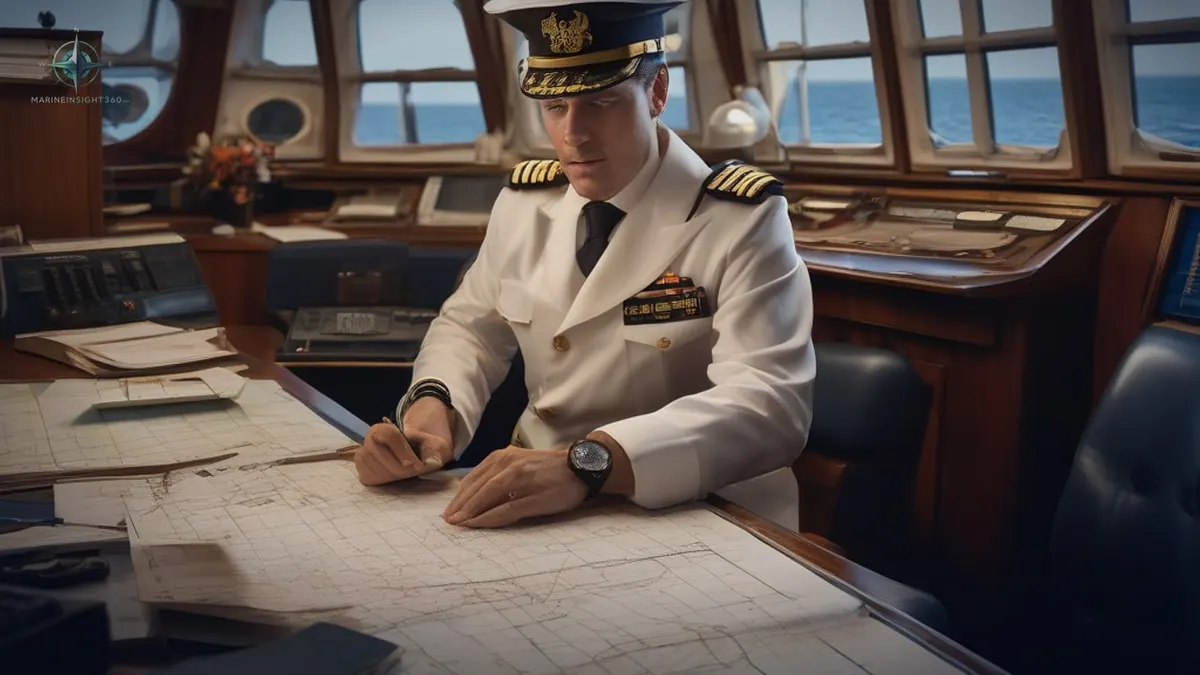
300m Worth is the focus of this article because it connects cadets, officers, ratings, recruiters and maritime students with the wider question behind UK Seizes $300M Worth of Cocaine at London Gateway.
UK Seizes $300 Million Worth of Cocaine at London Gateway
UK customs and law‑enforcement agencies intercepted more than 500 kg of cocaine hidden in containers at the London Gateway terminal, valuing the haul at roughly $300 million (USD). The seizure occurred during routine inspections of cargo destined for the United Kingdom.
Why Container Ports Are Prime Targets for Illicit Trafficking
Large, automated terminals handle thousands of containers each day. This volume creates opportunities for smugglers to conceal contraband among legitimate cargo. Seafarers and terminal operators are often the first line of detection because they spot irregularities in container seals, documentation or stowage patterns. Training under the STCW (the international convention setting minimum training standards for seafarers) now includes awareness of drug‑smuggling indicators.
Key risk factors identified in the London Gateway case include:
- Complex supply chains that obscure the true origin of goods.
- Use of false or altered Bills of Lading to mask illicit cargo.
- Concealment inside legitimate bulk shipments such as foodstuffs or machinery.
Operational Lessons for Crews and Terminal Staff
Customs highlighted several procedural checks that proved decisive in the seizure:
- Randomized container inspections, even on vessels with clean histories.
- Cross‑referencing electronic cargo manifests with physical seal numbers.
- Deploying canine units trained to detect cocaine residues on container exteriors.
For deck officers, maintaining accurate cargo records and reporting any discrepancies to the ship’s agent can trigger early investigations, potentially averting legal exposure for the vessel.
Common Mistakes That Trigger Scrutiny
Operators often overlook small details that raise red flags:
- Accepting containers with mismatched seal numbers without verification.
- Failing to challenge unusually high‑value cargo declarations for low‑value goods.
- Neglecting to document cargo hand‑over procedures in the ship’s log.
Correcting these habits reduces the likelihood of a vessel being detained or its crew interrogated during a port call.
Impact on Shipping Schedules and Costs
Seizures of this magnitude can cause temporary berth delays as authorities conduct thorough investigations. Vessels may be required to remain in port for additional inspections, adding 12–48 hours to turnaround times. While the direct financial loss falls on the criminal network, carriers can incur demurrage charges and reputational risks if their ships are associated with illicit cargo.
Shipping companies are advised to review their vetting procedures for freight forwarders and to ensure compliance with the UK’s Maritime and Coastguard Agency (MCA) guidance on cargo security.
Next Steps for Maritime Professionals
Stay current on cargo‑security best practices by visiting Marine Insight 360’s Shipboard Operations knowledge base, which offers checklists for container verification and guidance on reporting suspicious activity. Engaging in regular drills with port authorities can also streamline response times should a similar incident arise.
Why this matters
300m Worth matters because maritime decisions rarely sit in one department. A route story may affect insurance, crew planning and cargo timing. A machinery topic may affect maintenance, safety permits and spare-part planning. A career question may affect training, documents and joining readiness.
For readers in the United States, United Kingdom, Europe, Canada, Australia, Singapore and other mature maritime markets, the useful angle is practical: what changes, what remains uncertain, and which checks should happen before a decision is made.
Operational context
In daily maritime work, 300m worth should be compared with vessel type, flag requirements, company procedures, port expectations, cargo risk and crew competence. The same topic can look different on a container ship, bulk carrier, tanker, offshore vessel, training ship or shore-side logistics desk.
That is why this article avoids treating the subject as a standalone headline. It connects the issue with the checks that cadets, officers, ratings, recruiters and maritime students can use when reading a report, preparing for a voyage, reviewing a procedure or planning a career step.
Checks for readers
- Identify whether the topic affects safety, compliance, maintenance, navigation, cargo, careers or commercial planning.
- Confirm the latest company procedure, official notice, training requirement or port instruction before acting.
- Separate background context from instructions that require a qualified officer, engineer, surveyor or shore-side approval.
- Use related Marine Insight 360 pages to build a stronger topic cluster instead of reading one article in isolation.
Evidence and trust signals
A useful maritime article should show where the reader needs evidence, even when the page is an explainer rather than a breaking-news report. Look for dates, vessel context, source attribution, regulatory references, equipment details, route names, job requirements or operational constraints that can be verified.
When evidence is missing or the situation is changing, treat the article as a starting point. For safety-critical, legal, medical, immigration, training or commercial decisions, confirm the details through official channels and qualified professionals.
For related career routes, eligibility and rank guidance, continue with the merchant navy career hub.
Recommended Reading

Cable Laying Ship: How Submarine Cable Is Installed
How a cable laying ship stores, pays out and buries submarine cable, why DP2 redundancy matters, and the signals other vessels must read at sea.
National Oceanic and Atmospheric Administration: What NOAA Means for Mariners
What the National Oceanic and Atmospheric Administration provides working mariners: electronic charts, marine forecasts, tide data and real-time observations.
Chemical Cargoes List: Reading IBC Code Chapter 17
A practical guide to the chemical cargoes list in IBC Code chapter 17: how to read an entry, ship types 1 to 3, pollution categories and MEPC.2 products.