
Understanding Ballast Water
Clear definition of ballast water, its environmental impact, and key international and national regulations for seafarers and ship operators.
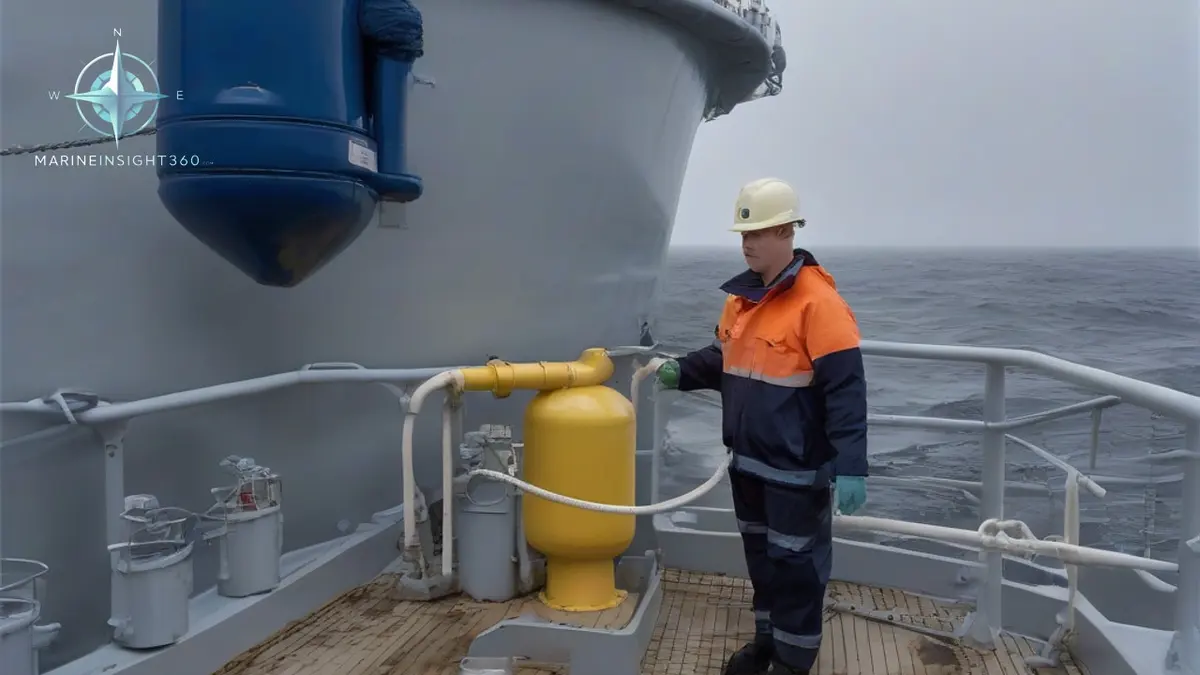
Understanding Ballast Water is the focus of this article because it connects marine engineers, engine ratings and technical managers with the wider question behind Understanding Ballast Water.
What ballast water does for a vessel
Ballast water is water taken on board and stored in dedicated ballast tanks or cargo holds to provide stability, trim and maneuverability when a vessel is not fully loaded. It is pumped in, retained, and later discharged, often after treatment, to maintain safe vessel performance.
Beyond keeping a ship upright, ballast water allows operators to adjust draft for port entry, balance cargo loads, and improve fuel efficiency by reducing rolling in heavy seas. Understanding this core function helps crew members see why proper handling is a daily operational priority.
Environmental risks of discharging untreated ballast water
When ballast water is released without treatment it can transport living organisms—plankton, larvae, bacteria and small invertebrates—from one marine ecosystem to another. Even a few millilitres may contain viable organisms that become invasive, out‑competing native species and altering food webs.
Invasive species can damage fisheries, tourism and coastal infrastructure, and their impacts may not appear for months or years. Early detection is therefore critical, but prevention through treatment remains the most reliable defense.
Regulatory framework that shapes ballast‑water management
International Convention for the Control and Management of Ships’ Ballast Water and Sediments (BWM Convention)
The International Maritime Organization (IMO) adopted the BWM Convention, establishing a performance standard for discharged ballast water. Vessels must meet this standard or obtain approval for an alternative treatment method.
National and regional rules
In the United States the Vessel Incidental Discharge Act (VIDA) requires operators to submit a Vessel Ballast Water Management Plan and to report on treatment effectiveness. Canada enforces the IMO standard through the Canadian Ballast Water Management Regulations, while the European Maritime Safety Agency (EMSA) coordinates implementation across EU member states.
Choosing and operating a ballast‑water treatment system
Technology options and their trade‑offs
- Mechanical filtration removes larger particles but must be followed by a disinfection step to address microorganisms.
- Ultraviolet (UV) irradiation inactivates microbes without chemicals; its effectiveness can decline in turbid water.
- Electrochlorination generates chlorine on‑board, delivering strong bacterial kill rates, but requires careful handling of residual chlorine.
- Chemical biocides such as ozone or hydrogen peroxide act as a backup for high‑load scenarios, adding storage and safety considerations.
Capital cost, space availability, power consumption and the ability to meet the required discharge standard under varying sea conditions are the main factors influencing technology selection.
Decision criteria for ship owners
- Compliance track record with the applicable standard.
- Fit within the vessel’s space and power envelope.
- Maintenance schedule and crew training requirements.
- Total cost of ownership, including consumables and certification fees.
Choosing a system that cannot handle the vessel’s maximum intake flow can lead to non‑compliance during heavy ballast operations, while an undersized system may increase energy use and wear.
Crew best practices and common pitfalls
Operational discipline on board
Sampling ballast water before and after treatment verifies compliance and helps detect system drift. Logs of treatment system performance and regular sensor calibration are essential for audit trails.
Integrating ballast‑water operations into the vessel’s stability plan prevents over‑ballasting, which can affect trim and fuel consumption.
Typical mistakes to avoid
- Skipping pre‑treatment filtration, allowing larger organisms to reach the discharge point.
- Failing to purge tanks before discharge, which can re‑introduce previously treated water.
- Incomplete documentation, exposing the vessel to fines or detention.
Addressing these issues through crew training and clear procedures reduces the risk of regulatory breach and protects marine ecosystems.
Why mastering ballast‑water management matters
Effective ballast‑water handling safeguards biodiversity, avoids costly penalties and upholds the reputation of global shipping as a responsible carrier of trade. Crew members who understand both the operational and environmental dimensions contribute to smoother port calls and smoother voyages.
For detailed guidance on compliance documentation, see the Marine Insight 360 Knowledge Base section “Ballast Water Management”.
Why this matters
Understanding Ballast Water matters because maritime decisions rarely sit in one department. A route story may affect insurance, crew planning and cargo timing. A machinery topic may affect maintenance, safety permits and spare-part planning. A career question may affect training, documents and joining readiness.
For readers in the United States, United Kingdom, Europe, Canada, Australia, Singapore and other mature maritime markets, the useful angle is practical: what changes, what remains uncertain, and which checks should happen before a decision is made.
For related equipment checks and troubleshooting guides, continue with the marine machinery knowledge base.
Next steps
For related equipment checks and troubleshooting guides, continue with the marine machinery knowledge base. Use the linked hub to compare the topic with related guidance before making operational, training or commercial decisions.
Recommended Reading
How Ballast Water Treatment Systems (BWTS) Works
How Ballast Water Treatment Systems (BWTS) Works: ports, trade and shipping-market context for US, UK, Canada, Australia, Singapore and European...
Oil Water Separators Explained
Learn what an oil water separator does on ships, the main technologies, selection criteria, common pitfalls and MARPOL compliance requirements.
Bioluminescent Bays: Where the Water Glows and Why It Happens
What makes a bioluminescent bay glow, where the world's brightest bays are, the best conditions for seeing them, and how fragile these lagoons really are.