
Oil Water Separators Explained
Learn what an oil water separator does on ships, the main technologies, selection criteria, common pitfalls and MARPOL compliance requirements.
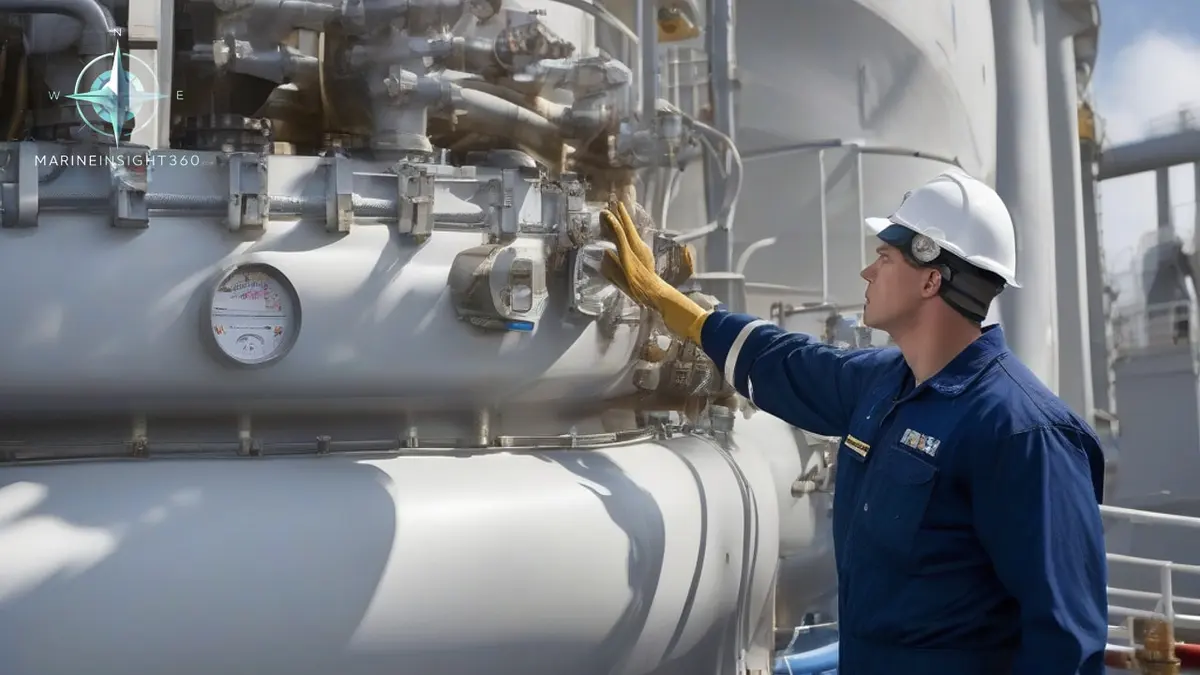
Oil Water Separators Explained is the focus of this article because it connects marine engineers, engine ratings and technical managers with the wider question behind Oil Water Separators Explained.
What an Oil‑Water Separator Does
An oil‑water separator (OWS) is a shipboard system that removes oil droplets from bilge water, storing the recovered oil in a dedicated tank and allowing the cleaned water to be discharged or reused. It uses physical separation principles—gravity, centrifugal force, hydrocyclones, or flotation—to meet IMO discharge standards.
How OWS Technologies Separate Oil
Gravity‑Plate Separators
These units contain a series of inclined plates that give oil droplets a longer path to rise by buoyancy. The extended travel time allows smaller droplets to coalesce and separate from the water.
Centrifugal Separators
Rotating drums generate a centrifugal force that pushes the denser water outward while oil collects near the axis. The separation occurs rapidly, making this option suitable for vessels with high flow rates.
Hydrocyclone Separators
Hydrocyclones create a passive vortex; the centrifugal effect separates phases without moving parts. They are compact and require little maintenance, but their efficiency depends on flow velocity.
Flotation Units
Air or gas bubbles are introduced so oil droplets attach and rise faster than by buoyancy alone. Flotation is often used as a polishing step after a primary separator to capture the finest droplets.
Nut‑Shell Filtration Why this matters
Oil Water Separators Explained matters because maritime decisions rarely sit in one department. A route story may affect insurance, crew planning and cargo timing. A machinery topic may affect maintenance, safety permits and spare-part planning. A career question may affect training, documents and joining readiness.
For readers in the United States, United Kingdom, Europe, Canada, Australia, Singapore and other mature maritime markets, the useful angle is practical: what changes, what remains uncertain, and which checks should happen before a decision is made.
Operational context
In daily maritime work, oil water separators explained should be compared with vessel type, flag requirements, company procedures, port expectations, cargo risk and crew competence. The same topic can look different on a container ship, bulk carrier, tanker, offshore vessel, training ship or shore-side logistics desk.
That is why this article avoids treating the subject as a standalone headline. It connects the issue with the checks that marine engineers, engine ratings and technical managers can use when reading a report, preparing for a voyage, reviewing a procedure or planning a career step.
Checks for readers
- Identify whether the topic affects safety, compliance, maintenance, navigation, cargo, careers or commercial planning.
- Confirm the latest company procedure, official notice, training requirement or port instruction before acting.
- Separate background context from instructions that require a qualified officer, engineer, surveyor or shore-side approval.
- Use related Marine Insight 360 pages to build a stronger topic cluster instead of reading one article in isolation.
Evidence and trust signals
A useful maritime article should show where the reader needs evidence, even when the page is an explainer rather than a breaking-news report. Look for dates, vessel context, source attribution, regulatory references, equipment details, route names, job requirements or operational constraints that can be verified.
When evidence is missing or the situation is changing, treat the article as a starting point. For safety-critical, legal, medical, immigration, training or commercial decisions, confirm the details through official channels and qualified professionals.
Common mistakes to avoid
The most common mistake is using a single headline or general article as if it were a vessel-specific instruction. A second mistake is ignoring geography, flag state, ship type, cargo type or rank. A third is missing the difference between background knowledge and a procedure that must be approved onboard or ashore.
Readers should also avoid comparing markets too loosely. Requirements and expectations in the United States, United Kingdom, Australia, Canada, Singapore and Europe can differ from other regions, especially in careers, port compliance, insurance and safety reporting.
How to use this guide
Use this guide to frame the right questions before going deeper. If oil water separators explained affects your vessel, crew, course, job application, port call, cargo movement or procurement decision, write down what must be verified, who owns the action and which record proves the answer.
For related reading, continue through the marine machinery knowledge base and connect this page with nearby topics. Internal linking helps readers move from background context to practical guidance without losing the thread.
Next steps
For related equipment checks and troubleshooting guides, continue with the marine machinery knowledge base. Use the linked hub to compare the topic with related guidance before making operational, training or commercial decisions.
Recommended Reading
Understanding Ballast Water
Clear definition of ballast water, its environmental impact, and key international and national regulations for seafarers and ship operators.
Bioluminescent Bays: Where the Water Glows and Why It Happens
What makes a bioluminescent bay glow, where the world's brightest bays are, the best conditions for seeing them, and how fragile these lagoons really are.
What is water hammer? How can it be prevented?
What is water hammer? How can it be prevented?: technology, equipment and fleet context for US, UK, Canada, Australia, Singapore and European maritime...