
Bioluminescent Bays: Where the Water Glows and Why It Happens
What makes a bioluminescent bay glow, where the world's brightest bays are, the best conditions for seeing them, and how fragile these lagoons really are.
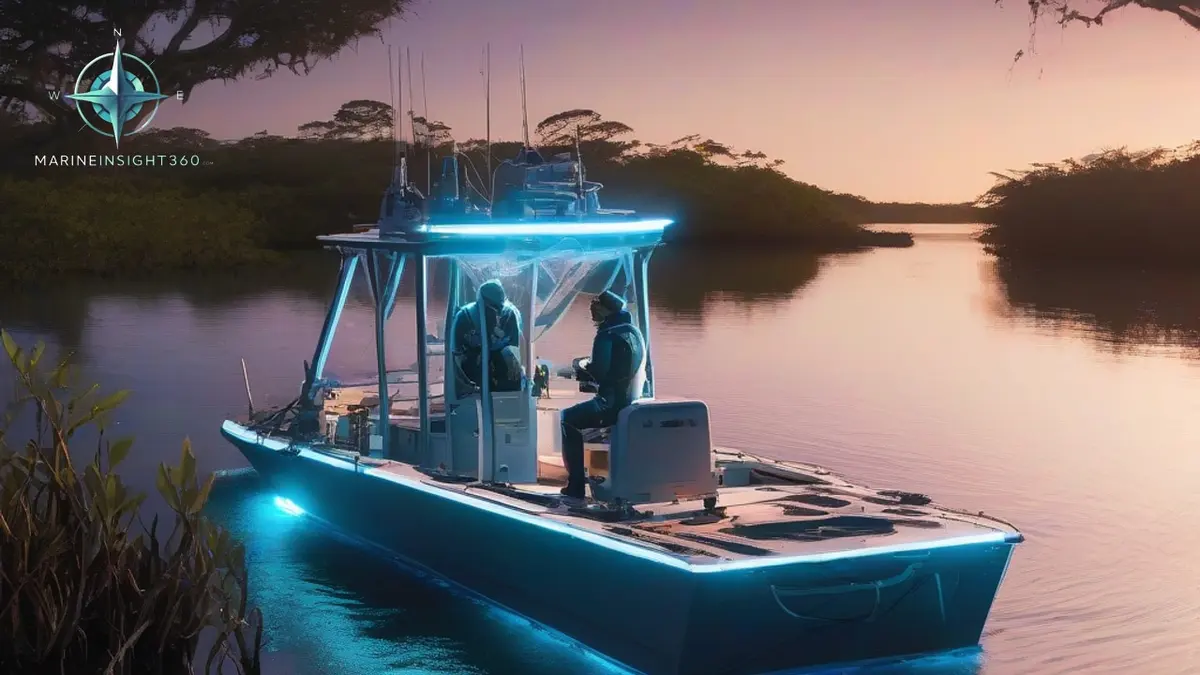
A bioluminescent bay is a shallow coastal lagoon where microscopic plankton light up when the water is disturbed, turning every paddle stroke and wave into a streak of blue-green light. The glow comes from dinoflagellates, single-celled organisms that produce light through a chemical reaction inside their own cells.
Only a handful of places on Earth hold enough of these organisms, in a stable enough setting, to glow brightly night after night. Three of the best known sit in Puerto Rico, which is why the island has become the reference point for the phenomenon.
What Makes the Water Glow
Bioluminescence is a chemical reaction, not a reflection. Inside the dinoflagellate, an enzyme called luciferase acts on a light-emitting molecule, luciferin, and the reaction releases energy as visible light with almost no heat. The organism triggers it when its cell wall is deformed by movement in the water, which is why the glow follows a hand, a paddle or a fish rather than lighting the bay evenly.
Biologists read the flash as a defense. A sudden burst of light startles a would-be grazer, or advertises its position to something larger that eats grazers, an effect often called the burglar alarm hypothesis. Either way, the display is the plankton reacting, not performing.
The Conditions a Glowing Bay Needs
- A narrow opening to the sea: a bottleneck lets water in but slows the escape of plankton, concentrating them inside the lagoon.
- Mangroves around the shoreline: falling mangrove leaves release nutrients, including vitamin B12, that the dinoflagellates need.
- Warm, shallow, calm water: steady temperature and little flushing keep populations stable year round.
- Darkness: the glow is real but faint, so light pollution from roads, resorts and even a bright moon washes it out.
Remove any one of these and the bay dims. That combination is rare, which is why bright bioluminescent bays number in the handful rather than the hundreds.
Where the Brightest Bays Are
Mosquito Bay on the Puerto Rican island of Vieques is recognized by Guinness World Records as the brightest bioluminescent bay in the world, a title it earned in 2006. Its water carries roughly 750,000 dinoflagellates per gallon, mostly the species Pyrodinium bahamense , which glows blue when agitated.
Puerto Rico holds two more: Laguna Grande near Fajardo, reached through a narrow mangrove channel, and La Parguera in Lajas, the only one of the three where swimming has traditionally been allowed. Beyond Puerto Rico, Jamaica's Luminous Lagoon and a small number of bays in the Caribbean, Southeast Asia and Australia produce comparable displays, though few match Vieques for consistency.
Bay bioluminescence should not be confused with the blue waves that sometimes light up open coastlines. Those come from algal blooms, often red tides by day, and they arrive and vanish unpredictably. A true bio bay glows all year because its plankton population lives there permanently rather than drifting past.
How to Actually See It
Timing matters more than luck. Plan for the darkest part of the lunar cycle, since a full moon can erase the effect entirely, and go on a calm, cloudless night after a dry spell, because heavy rain dilutes the lagoon. Local operators run kayak and electric-boat tours; motorized craft and their fuel are restricted or banned in the most protected bays.
Leave the camera expectations at home. The glow is far dimmer than photographs suggest, and phone cameras rarely capture it, so the display is best experienced directly rather than through a screen.
Why These Bays Are Fragile
A bioluminescent bay is a balance, and every part of it can be disturbed. Sunscreen, insect repellent and engine oil poison the plankton; coastal development brings light pollution and runoff; dredging or clearing a channel can flush the population out to sea. Vieques has seen its glow fade and recover more than once, a reminder of how quickly the balance tips.
Conservation rules follow from that fragility: no chemical sunscreen, no motorized boats in the most sensitive bays, limited visitor numbers and licensed guides only. These bays survive as spectacles precisely because they are managed as ecosystems first.
What to do next
Bioluminescence is one of many ocean phenomena worth understanding, and these guides continue the thread:
Recommended Reading

What is water hammer? How can it be prevented?
What is water hammer? How can it be prevented?: technology, equipment and fleet context for US, UK, Canada, Australia, Singapore and European maritime...

Water Sprinkler and Water Mist Fire Extinguishing Systems
Water Sprinkler and Water Mist Fire Extinguishing Systems: safety, training and compliance context for US, UK, Canada, Australia, Singapore and...

Ship Behavior in Shallow Water; Resistance & Speed
Ship Behavior in Shallow Water; Resistance & Speed: ports, trade and shipping-market context for US, UK, Canada, Australia, Singapore and European...