
Different Stages of Ship Design Explained
Different Stages of Ship Design Explained: regulatory and compliance context for US, UK, Canada, Australia, Singapore and European maritime readers.
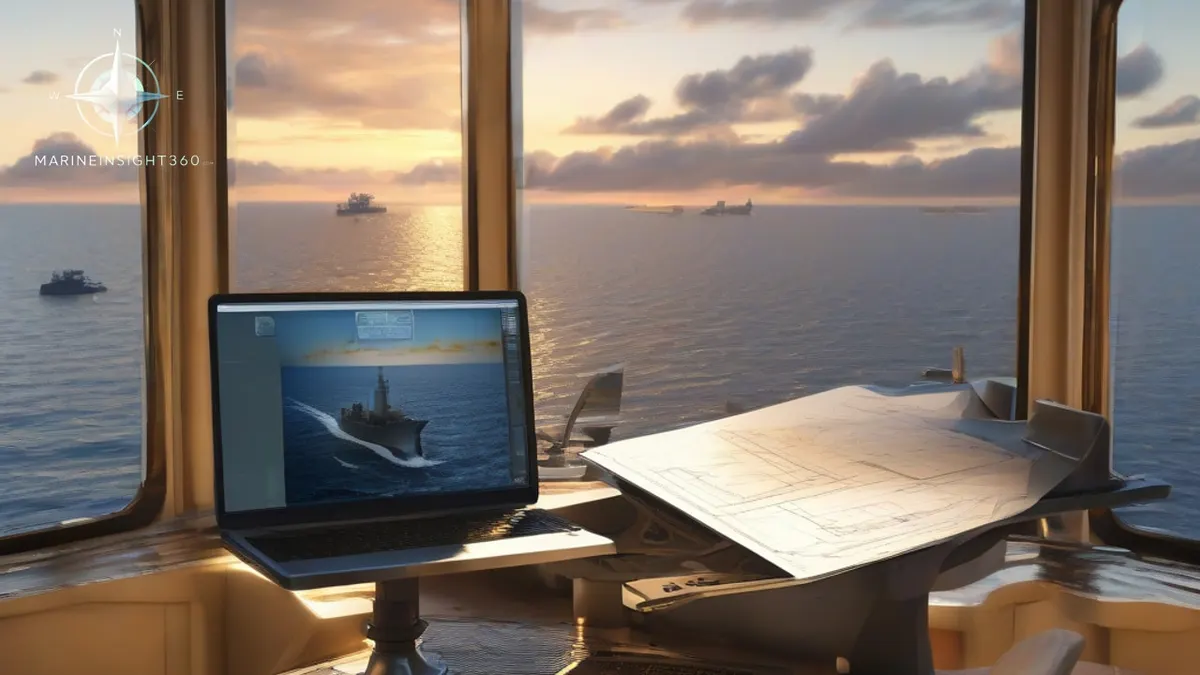
Designing a ship is a complex and highly structured process that transforms an idea into a fully operational vessel. From the first concept sketch to sea trials, ship design involves technical analysis, regulatory compliance, engineering precision, and coordination between multiple stakeholders.
Here’s a clear breakdown of the different stages of ship design and how each phase contributes to building a safe, efficient. Commercially viable vessel.
1. Concept Design Stage
The process begins with the concept design stage , where the basic idea of the vessel is developed.
At this stage, designers define:
- Type of vessel (container ship, tanker, bulk carrier, etc.)
- Cargo capacity
- Speed requirements
- Operational routes
- Preliminary dimensions
- Estimated cost
Naval architects conduct initial feasibility studies, market analysis, and performance estimates to determine whether the project is commercially viable.
2. Preliminary Design (Basic Design)
Once the concept is approved, the project moves into the preliminary design phase .
This stage focuses on:
- Hull form development
- Stability calculations
- Resistance and propulsion estimates
- Machinery selection
- General arrangement plans
- Regulatory compliance review
Classification societies and flag state authorities may be consulted to ensure the design meets international safety and environmental standards.
3. Contract Design Stage
The contract design is prepared for agreement between the shipowner and shipyard.
This includes:
- Finalized general arrangement drawings
- Main technical specifications
- Performance guarantees (speed, fuel consumption)
- Material specifications
- Estimated delivery timeline
Once approved, a shipbuilding contract is signed based on this design.
4. Detailed Design Stage
This is one of the most technical phases of ship design.
Detailed design includes:
- Structural drawings
- Machinery layout
- Electrical systems planning
- Piping systems
- HVAC design
- Safety systems integration
Modern shipyards use advanced 3D modeling software to coordinate all systems and avoid clashes between components.
5. Production Design Stage
The production design phase translates detailed drawings into instructions for shipyard construction.
It involves:
- Workshop drawings
- Block assembly plans
- Welding details
- Material cutting lists
- Fabrication schedules
At this stage, the focus shifts from engineering to efficient construction planning.
6. Construction Phase
With production design completed, physical construction begins.
The shipyard:
- Cuts and assembles steel blocks
- Erects hull sections
- Installs machinery and equipment
- Integrates electrical and piping systems
This stage can take months or years depending on vessel size.
7. Testing and Commissioning
Before delivery, the ship undergoes:
- Harbour trials
- Machinery testing
- Safety system verification
- Stability tests
All systems are inspected and certified.
8. Sea Trials
The final stage of ship design and construction is sea trials .
During sea trials, the vessel’s performance is tested in real operating conditions, including:
- Speed trials
- Steering tests
- Engine performance checks
- Emergency system verification
If the vessel meets contractual specifications, it is officially delivered to the shipowner.
The dates that decide which rules the ship is built to
A newbuilding is not judged against the rules in force on the day it delivers. SOLAS and MARPOL requirements apply to ships constructed on or after a given date. Construction is pinned to three dates: the contract date, the keel laying date and the delivery date. A ship whose keel is laid shortly before a threshold can deliver to the older standard.
That is why contract design fixes the regulatory scope. Moving a keel laying to catch or avoid an amendment is a commercial decision. It also limits what the detailed design can be asked to do later.
The approvals that sit between the drawings and the steel
Structural drawings go to the classification society before cutting starts. For bulk carriers and oil tankers they are assessed against the common structural rules the societies harmonised through IACS. Late approval comments cause rework. A structural defect found after blocks are joined costs far more to correct than one caught on the drawing.
Two verifications straddle the end of the programme. The Energy Efficiency Design Index is calculated and preliminarily verified during design under MARPOL Annex VI. It is then finally verified against the speed and power measured on the sea trial. The inclining experiment is carried out on the finished ship. It establishes lightship weight and centre of gravity, and the stability information built on it must be approved before delivery.
Why Each Stage Matters
Each stage ensures:
- Safety compliance
- Operational efficiency
- Cost control
- Environmental standards
- Structural integrity
Skipping or rushing any phase can result in costly modifications or operational problems later.
Final Thoughts
Ship design is not a single step—it’s a structured, multi-stage process requiring collaboration between naval architects, marine engineers, shipyards, and regulatory bodies.
From concept to sea trials, every stage plays a critical role in creating vessels that safely transport goods and passengers across the world’s oceans.
Recommended Reading
Navy or Marines: What's different?
Navy or Marines: What's different?: career, certification and hiring context for US, UK, Canada, Australia, Singapore and European maritime readers.
What Is The Basic Principle Behind Hatch Cover Design?
What Is The Basic Principle Behind Hatch Cover Design?: ports, trade and shipping-market context for US, UK, Canada, Australia, Singapore and European...
Understanding Cruise Ship Hull Design
Cruise ships rely on hull shapes that blend form with function. Designers pick shapes to cut through water with less effort. This boosts speed and cuts…