
Understanding Manometers
Learn what a manometer is, how it works, types, and why it matters on ships for ballast, engine, and safety systems.
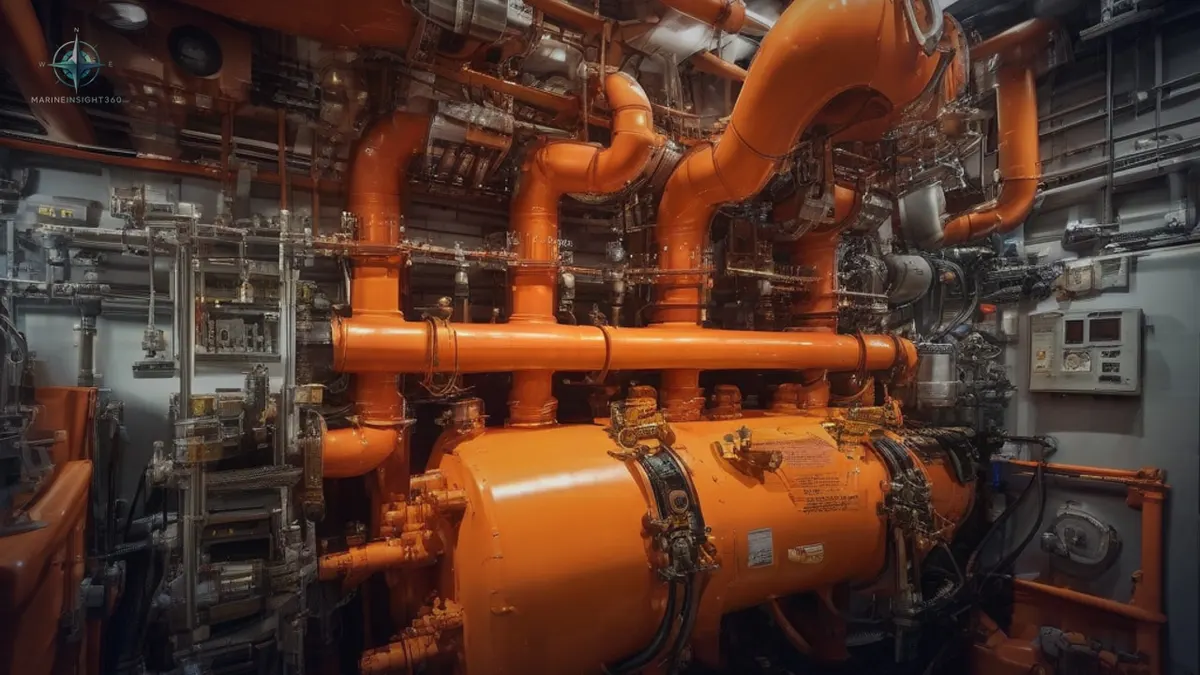
Understanding Manometers is the focus of this article because it connects marine engineers, engine ratings and technical managers with the wider question behind Understanding Manometers.
What Are Manometers?
A manometer is a device that measures the pressure of gases or liquids by observing the rise or fall of a liquid column in a tube. It compares the measured pressure to a reference, using liquids such as mercury, water, or light oil, and comes in forms like U‑tube or barometer.
In maritime operations, accurate pressure readings are essential for engine performance, ballast control, and safety systems. A reliable manometer ensures that these systems operate within their design limits and helps crews detect anomalies early.
How a Manometer Works
All manometers rely on the same principle: a pressure differential causes a liquid to move in a tube. The liquid rises in the arm exposed to higher pressure and falls in the opposite arm. The height difference directly reflects the pressure difference.
Because the liquid is confined, the device can be simple yet highly accurate. The key is that the liquid’s density is known and stable, allowing the height difference to be translated into pressure units.
Types of Manometers
U‑Tube Manometer
The classic U‑tube contains liquid in both arms. One arm is exposed to the pressure to be measured; the other is open to a reference pressure, usually atmospheric. The difference in liquid levels gives the pressure reading.
Barometer
A barometer is a specialized U‑tube calibrated to measure atmospheric pressure. It is often used in weather stations and for calibrating other pressure instruments.
Liquids Used in Manometers
Three liquids are common in maritime manometers:
- Mercury – high density, stable over a wide temperature range.
- Water – readily available, non‑toxic, but lower density.
- Light oil – used when a liquid with intermediate density is required.
Choosing the liquid depends on the pressure range, temperature conditions, and safety considerations of the application.
Applications of Manometers
Manometers are employed wherever pressure measurement is critical. In shipping, they can monitor engine coolant pressure, fuel line pressure, ballast tank pressure, and more. The device’s simplicity and reliability make it a staple in many shipboard systems.
Maintenance and Calibration
Regular maintenance keeps a manometer accurate and safe. Routine checks include inspecting the tube for cracks, verifying the liquid level, and ensuring the reference arm is properly exposed.
Calibration should be performed against a known standard. An uncalibrated manometer can give misleading readings, potentially leading to equipment damage or safety incidents.
Common Mistakes to Avoid
1. Using the wrong liquid for the pressure range can reduce accuracy or damage the device.
2. Ignoring temperature effects – liquids expand or contract with temperature, affecting readings.
3. Neglecting regular calibration – a manometer that has not been calibrated in a long time may drift.
Choosing the Right Manometer for Your Vessel
When selecting a manometer, consider:
- Pressure range – ensure the device can handle the maximum expected pressure.
- Operating temperature – choose a liquid that remains stable under the vessel’s conditions.
- Why this matters Understanding Manometers matters because maritime decisions rarely sit in one department. A route story may affect insurance, crew planning and cargo timing. A machinery topic may affect maintenance, safety permits and spare-part planning. A career question may affect training, documents and joining readiness. For readers in the United States, United Kingdom, Europe, Canada, Australia, Singapore and other mature maritime markets, the useful angle is practical: what changes, what remains uncertain, and which checks should happen before a decision is made. Operational context In daily maritime work, understanding manometers should be compared with vessel type, flag requirements, company procedures, port expectations, cargo risk and crew competence. The same topic can look different on a container ship, bulk carrier, tanker, offshore vessel, training ship or shore-side logistics desk. That is why this article avoids treating the subject as a standalone headline. It connects the issue with the checks that marine engineers, engine ratings and technical managers can use when reading a report, preparing for a voyage, reviewing a procedure or planning a career step. Checks for readers Identify whether the topic affects safety, compliance, maintenance, navigation, cargo, careers or commercial planning.
- Confirm the latest company procedure, official notice, training requirement or port instruction before acting.
- Separate background context from instructions that require a qualified officer, engineer, surveyor or shore-side approval.
- Use related Marine Insight 360 pages to build a stronger topic cluster instead of reading one article in isolation.
For related equipment checks and troubleshooting guides, continue with the marine machinery knowledge base.
Next steps
For related equipment checks and troubleshooting guides, continue with the marine machinery knowledge base. Use the linked hub to compare the topic with related guidance before making operational, training or commercial decisions.
Recommended Reading

Understanding Natural Harbours
Learn the exact definition of a natural harbour, how it differs from artificial ports, the geology behind them, and major global examples like Sydney and Halifa
Seas Bordering Italy
Geographic overview of Italian maritime borders for maritime professionals and enthusiasts.
Deepest Point in the Oceans
Find the exact depth, location and significance of Challenger Deep in the Mariana Trench – the deepest point in the oceans, with measurement history and operati