
Understanding Natural Harbours
Learn the exact definition of a natural harbour, how it differs from artificial ports, the geology behind them, and major global examples like Sydney and Halifa
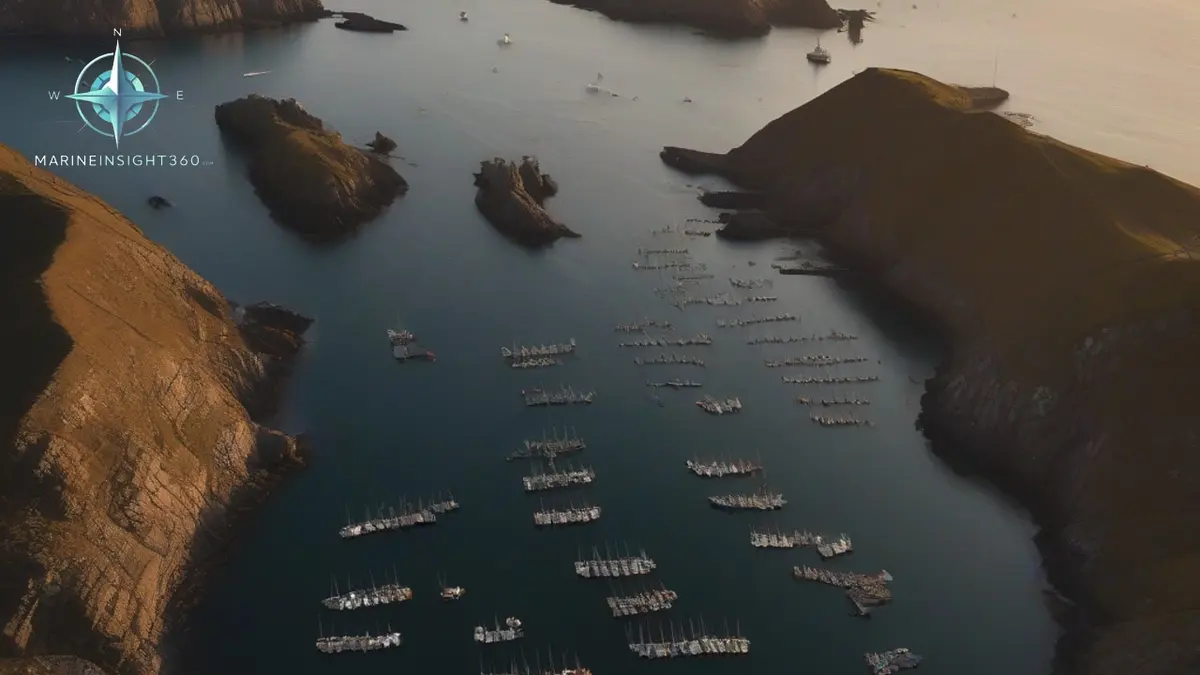
Understanding Natural Harbours is the focus of this article because it connects marine engineers, engine ratings and technical managers with the wider question behind Understanding Natural Harbours.
What Is a Natural Harbour?
A natural harbour is a sheltered part of a body of water that is surrounded on several sides by land that has formed naturally. It must offer sufficient depth for anchorage without the need for extensive artificial protection. The term does not require a specific formation type such as a ria or fjord.
Geological Traits That Define a Natural Harbour
Natural harbours typically feature enclosed or semi‑enclosed basins. Their seabed is stable and composed of materials that resist erosion. Depth is a key factor; vessels can anchor safely within the basin. The surrounding land provides natural protection from wind and waves, reducing the need for breakwaters or dredging.
Formation Types Are Not Mandatory
While many natural harbours form as rias—river valleys flooded by the sea—or fjords—glacially carved valleys—these are not prerequisites. A harbour can arise from other geological processes, as long as it meets the depth and shelter criteria.
Key Examples Around the World
Several well‑known harbours illustrate the concept:
- Victoria Harbour, Hong Kong
- Sydney Harbour, Australia
- Halifax Harbour, Canada
- Trincomalee Harbour, Sri Lanka
These harbours are recognised for their natural depth, protective landforms, and strategic positions for global trade.
Operational Benefits and Trade‑Offs
For shipping professionals, natural harbours offer several advantages:
- Reduced Construction Costs – Minimal need for breakwaters or extensive dredging lowers upfront investment.
- Lower Maintenance – Stable seabeds mean fewer dredging cycles and less wear on hulls.
- Strategic Positioning – Many natural harbours sit on key maritime routes, providing quick access to international shipping lanes.
However, there are trade‑offs to consider:
- – The surrounding land may restrict harbour expansion or the addition of new berths.
- – Natural basins often host delicate ecosystems; any development can trigger regulatory scrutiny.
- – While generally deep, some natural harbours have uneven depth profiles that can complicate navigation for larger vessels.
Common Mistakes When Using Natural Harbours
Shipping operators sometimes overlook critical factors:
- Assuming Unlimited Depth – Even natural harbours can have shallow shoals or sediment build‑up that require periodic assessment.
- Ignoring Environmental Impact – Development without a strategic environmental assessment can lead to compliance issues.
- Underestimating Weather Patterns – Natural protection does not eliminate all weather risks; local wind and tide conditions still affect operations.
Next Steps for Shipping Professionals
To make the most of natural harbours, review the Marine Insight 360 Ports section for detailed harbour classifications and case studies. Consider engaging with local authorities to understand any environmental or regulatory requirements before expanding operations.
Why this matters
Understanding Natural Harbours matters because maritime decisions rarely sit in one department. A route story may affect insurance, crew planning and cargo timing. A machinery topic may affect maintenance, safety permits and spare-part planning. A career question may affect training, documents and joining readiness.
For readers in the United States, United Kingdom, Europe, Canada, Australia, Singapore and other mature maritime markets, the useful angle is practical: what changes, what remains uncertain, and which checks should happen before a decision is made.
Operational context
In daily maritime work, understanding natural harbours should be compared with vessel type, flag requirements, company procedures, port expectations, cargo risk and crew competence. The same topic can look different on a container ship, bulk carrier, tanker, offshore vessel, training ship or shore-side logistics desk.
That is why this article avoids treating the subject as a standalone headline. It connects the issue with the checks that marine engineers, engine ratings and technical managers can use when reading a report, preparing for a voyage, reviewing a procedure or planning a career step.
Checks for readers
- Identify whether the topic affects safety, compliance, maintenance, navigation, cargo, careers or commercial planning.
- Confirm the latest company procedure, official notice, training requirement or port instruction before acting.
- Separate background context from instructions that require a qualified officer, engineer, surveyor or shore-side approval.
- Use related Marine Insight 360 pages to build a stronger topic cluster instead of reading one article in isolation.
Evidence and trust signals
A useful maritime article should show where the reader needs evidence, even when the page is an explainer rather than a breaking-news report. Look for dates, vessel context, source attribution, regulatory references, equipment details, route names, job requirements or operational constraints that can be verified.
When evidence is missing or the situation is changing, treat the article as a starting point. For safety-critical, legal, medical, immigration, training or commercial decisions, confirm the details through official channels and qualified professionals.
For related equipment checks and troubleshooting guides, continue with the marine machinery knowledge base.
Recommended Reading
10 of the World's Greatest Natural Harbors, and Why They Matter
What makes a natural harbor, and ten of the world's greatest: Sydney, San Francisco, New York, Rio, Halifax and more, with the geography that shelters them.
World's Deepest Natural Harbors
Discover which towns have the deepest natural harbours, their exact depths, strategic benefits and operational challenges for seafarers and ship operators.
Seas Bordering Italy
Geographic overview of Italian maritime borders for maritime professionals and enthusiasts.