
Understanding Ship Rudders
Learn what a rudder on a ship does, its history, modern types, control systems, maintenance tips and regulatory guidance for seafarers and ship operators.
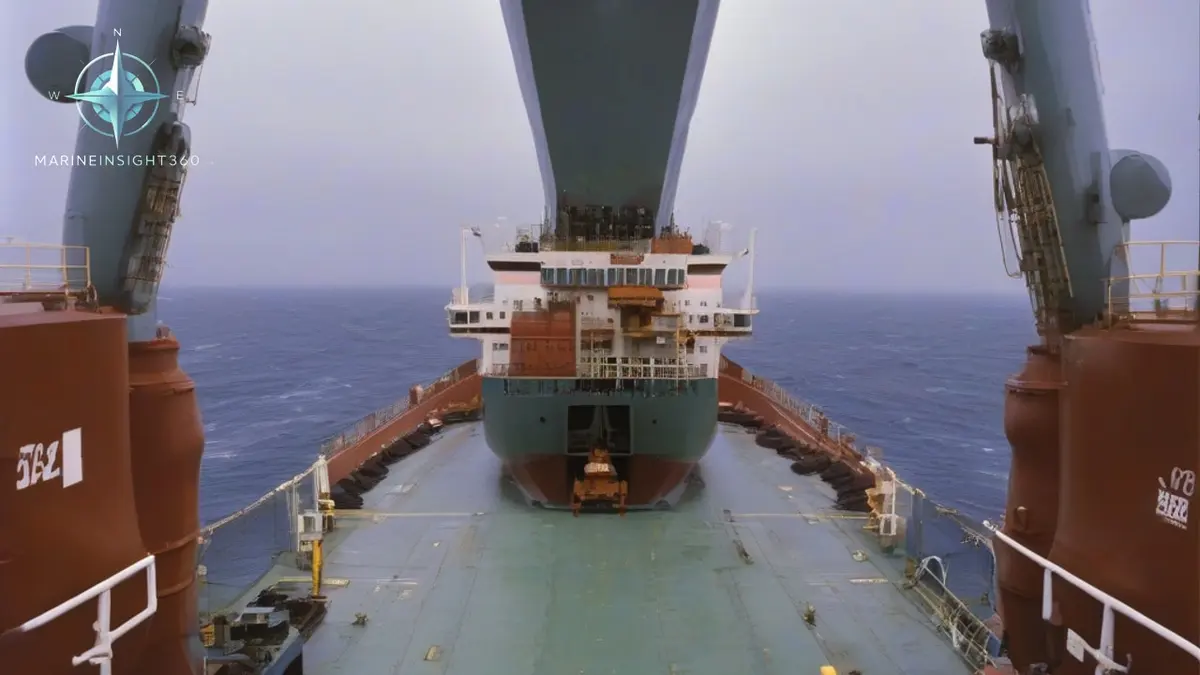
Understanding Ship Rudders is the focus of this article because it connects marine engineers, engine ratings and technical managers with the wider question behind Understanding Ship Rudders.
What Is a Rudder and Why It Matters
A rudder is the primary control surface that steers a vessel by redirecting water flow. It sits at the stern and, when angled, pushes the ship’s bow to the left or right. For every voyage, the rudder is the first line of navigation, translating helm commands into motion on the water.
Historical Roots of the Rudder
The earliest known stern‑post rudder appears in the Han dynasty of China, around the 1st century AD. That simple lever‑type design set the foundation for all modern steering systems. While the basic principle remains unchanged, the technology that powers a rudder has evolved dramatically.
Modern Rudder Configurations
Today’s ships use several rudder types, each chosen for specific performance or operational needs.
- Stern‑post rudder – The classic design still common on many vessels.
- Pintle‑and‑gudgeon rudder – Uses a pivot (pintle) and bearing (gudgeon) for smooth rotation.
- Balanced rudder – Features a forward‑projecting blade that reduces steering effort.
- Azimuth‑thruster‑assisted designs – Combine a rotating thruster with a rudder for enhanced maneuverability.
Choosing a configuration involves trade‑offs between cost, maintenance, and handling characteristics. For instance, a balanced rudder can lower power consumption but may be more complex to fabricate.
Steering Systems: From Tiller to Electric
Control methods have progressed from simple manual tillers to sophisticated electric steering gear.
- Manual tillers – Direct mechanical link to the rudder; common on smaller vessels.
- Wheel steering – Uses a steering wheel connected by rods or cables.
- Hydraulic steering gear – Relies on pressurized fluid to move the rudder.
- Electric steering gear – Uses electric motors for precise control and easier integration with automation.
Operators must weigh reliability against complexity. Hydraulic systems offer robust force but require leak checks; electric systems provide precision but depend on power availability.
Common Maintenance Issues and How to Spot Them
Routine inspections can catch problems before they become costly failures.
- Blade wear or erosion – Look for thinning or pitting on the blade surface.
- Misalignment of the rudder shaft – Check for uneven wear on bearings and verify the shaft’s straightness.
- Hydraulic system leaks or air ingress – Inspect hoses, fittings, and the reservoir for fluid loss or air bubbles.
- Loose pintles or gudgeons – Tighten fittings and verify that the rudder moves freely without binding.
Ignoring these signs can lead to steering loss or hull damage. Regular maintenance schedules, often tied to inspection intervals, help keep the rudder in top shape.
Regulatory Landscape and Inspection Schedules
International Maritime Organization (IMO) guidelines and national regulations set design criteria and inspection intervals for rudders. Compliance ensures safety, reduces insurance costs, and keeps vessels compliant with flag state requirements.
Operators should consult the relevant national authority—such as the U.S. Coast Guard, UK Maritime and Coastguard Agency, or Australian Maritime Safety Authority—for specific inspection timelines and documentation requirements.
Why This Matters to You
Understanding the rudder’s role, types, and maintenance needs lets seafarers, cadets, and shipping professionals make informed decisions about vessel selection, operational procedures, and crew training. A well‑managed rudder system translates into safer voyages, lower fuel consumption, and fewer unexpected repairs.
Next steps: review the Marine Insight 360 Knowledge Base on Ship Hull Design for deeper technical details, or consult the Shipboard Operations section for crew training resources.
Operational context
In daily maritime work, understanding ship rudders should be compared with vessel type, flag requirements, company procedures, port expectations, cargo risk and crew competence. The same topic can look different on a container ship, bulk carrier, tanker, offshore vessel, training ship or shore-side logistics desk.
That is why this article avoids treating the subject as a standalone headline. It connects the issue with the checks that marine engineers, engine ratings and technical managers can use when reading a report, preparing for a voyage, reviewing a procedure or planning a career step.
Checks for readers
- Identify whether the topic affects safety, compliance, maintenance, navigation, cargo, careers or commercial planning.
- Confirm the latest company procedure, official notice, training requirement or port instruction before acting.
- Separate background context from instructions that require a qualified officer, engineer, surveyor or shore-side approval.
- Use related Marine Insight 360 pages to build a stronger topic cluster instead of reading one article in isolation.
For related equipment checks and troubleshooting guides, continue with the marine machinery knowledge base.
Next steps
For related equipment checks and troubleshooting guides, continue with the marine machinery knowledge base. Use the linked hub to compare the topic with related guidance before making operational, training or commercial decisions.
Recommended Reading
What Are The Types Of Rudders?
Have you ever noticed that, unlike most aeroplanes, ships don't have the same rudder ? The type of rudder ship that is suitable for a particular ship…
Understanding Ballast Water
Clear definition of ballast water, its environmental impact, and key international and national regulations for seafarers and ship operators.
Oil Water Separators Explained
Learn what an oil water separator does on ships, the main technologies, selection criteria, common pitfalls and MARPOL compliance requirements.