
Poop Deck: What It Is and Why It's Really Called That
The poop deck is the raised deck at a ship's stern, and the name comes from Latin, not plumbing. What it did, where the word came from, and where it went.
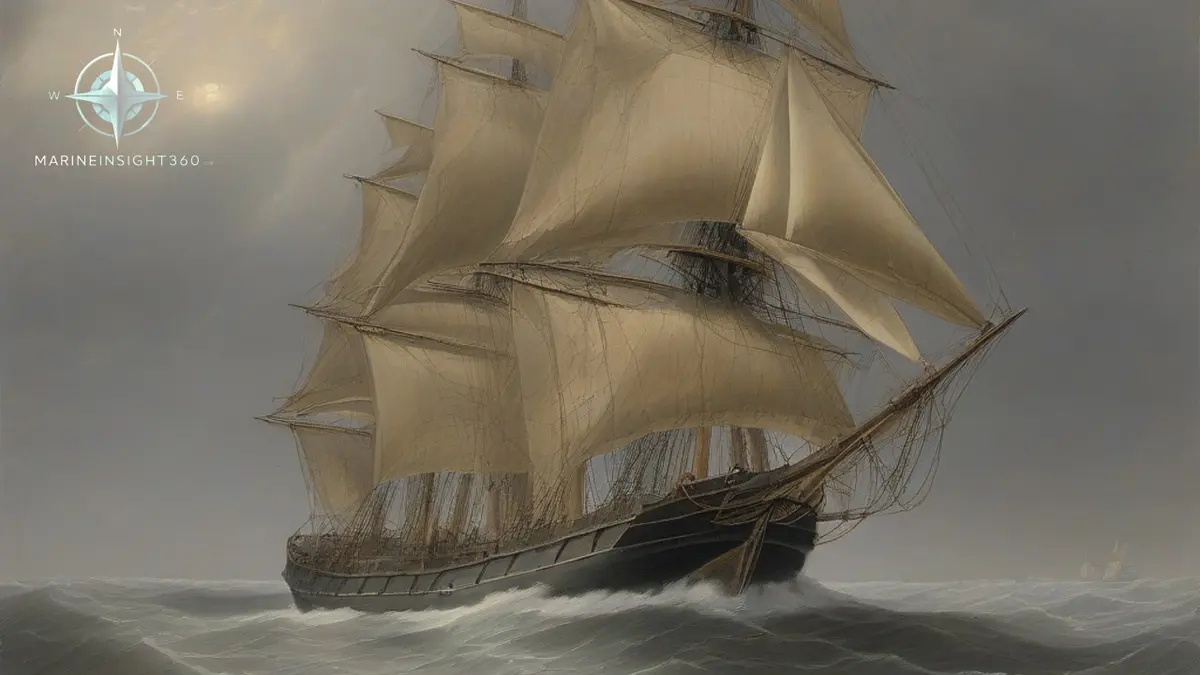
A poop deck is the raised deck at the stern, the back end, of a ship, built on top of the aft cabin roof. The name has nothing to do with plumbing. It comes from the Latin word puppis, meaning stern, which became la poupe in French and then poop in English.
The question makes every new sailor smile, and the answer is genuinely good maritime history. For several centuries this small platform was one of the most important places on a ship.
The Name, Traced Properly
Roman writers called the stern of a vessel puppis. Medieval French borrowed it as la poupe, Italian as poppa, Spanish as popa. English shipwrights, who borrowed shipbuilding words freely from all three, were calling the raised stern structure the poop by the 1400s. So the deck is named for where it sits, not for anything that happened on it.
Sailors relieved themselves at the opposite end of the ship, the head, which is why a ship's toilet still carries that name today.
What the Deck Was Actually For
- Command and visibility: standing on the highest deck aft, the captain and officers could see the full length of their own ship and the sails overhead.
- Steering: the helmsman worked the wheel or tiller from here on many designs, close to the officers giving orders.
- Navigation: officers took sightings and kept the watch from this platform, clear of the working chaos of the main deck.
- Cabin space: the structure beneath it typically housed the captain's quarters, the most comfortable accommodation aboard.
Getting Pooped: The Phrase Sailors Still Use
In heavy following seas, a wave can break over the stern and sweep the ship from behind. Sailors call that being pooped, and it is one of the most dangerous things that can happen to a vessel running before a storm. A pooped ship can lose her steering, flood through openings aft, or slew sideways into the trough of the waves.
Some word historians think this old usage also fed the everyday meaning of pooped as exhausted, which is exactly how a crew feels after fighting a following sea all night.
Where the Deck Went
Walk a modern container ship or tanker and you will not find a poop deck in the old sense. Steel construction and engine-aft design replaced the raised stern platform with a tall superstructure block, and steering moved to an enclosed bridge with far better visibility. The word survives officially, though: naval architects still label the aftmost raised deck the poop on general arrangement drawings when a design has one, and many bulk carriers and older cargo ships genuinely do.
To stand on the real thing, visit a preserved sailing ship. HMS Victory in Portsmouth in the United Kingdom and USS Constitution in Boston in the United States both have proper poop decks, and both museums field the why-is-it-called-that question every single day.
Poop Deck vs Quarterdeck: Not the Same Thing
The two terms get mixed up constantly, and old sailors enjoy correcting it. The quarterdeck was the raised deck aft where the ship was commanded, a place of ceremony as much as work; boarding officers still salute the quarterdeck in navies of the United States and United Kingdom today. The poop deck, where a ship had one, sat higher still and further aft, a short deck right at the tail of the ship.
On many vessels the poop formed the roof over the aft cabins while the quarterdeck ran forward of it. Smaller ships often had only one raised deck aft, so the names blurred in practice. The rule of thumb holds: the quarterdeck is where authority lived, and the poop deck is the last high step before the sea astern.
Quick Answers
- Is the poop deck the same as the stern? No. The stern is the whole back end of the ship; the deck is the raised platform built at the stern.
- Did sailors use it as a toilet? No. The crew's toilet was at the bow and is still called the head.
- Do modern ships have one? Most large modern ships use an aft superstructure instead, though the term survives on drawings and on many working cargo vessels.
- What does being pooped mean at sea? Taking a wave over the stern in a following sea, a genuinely dangerous event in heavy weather.
What to do next
Ship anatomy rewards curiosity, and these guides continue the tour:
Recommended Reading
Gangway on a Ship: What It Is, the Types, and the Rules That Keep It Safe
A gangway is the walkway that connects a ship to shore, and it is one of the most regulated pieces of equipment aboard. The types, the rules, and the watch.
Ship Decks: Every Type, What It Does, and the Equipment It Carries
What ship decks are, from tank top to bridge: the main deck types, how they are numbered, and the windlasses, winches, cranes and hatches that work on them.

What is a Bulk Carrier Ship?
What is a Bulk Carrier Ship?: ports, trade and shipping-market context for US, UK, Canada, Australia, Singapore and European maritime readers.