
Gangway on a Ship: What It Is, the Types, and the Rules That Keep It Safe
A gangway is the walkway that connects a ship to shore, and it is one of the most regulated pieces of equipment aboard. The types, the rules, and the watch.
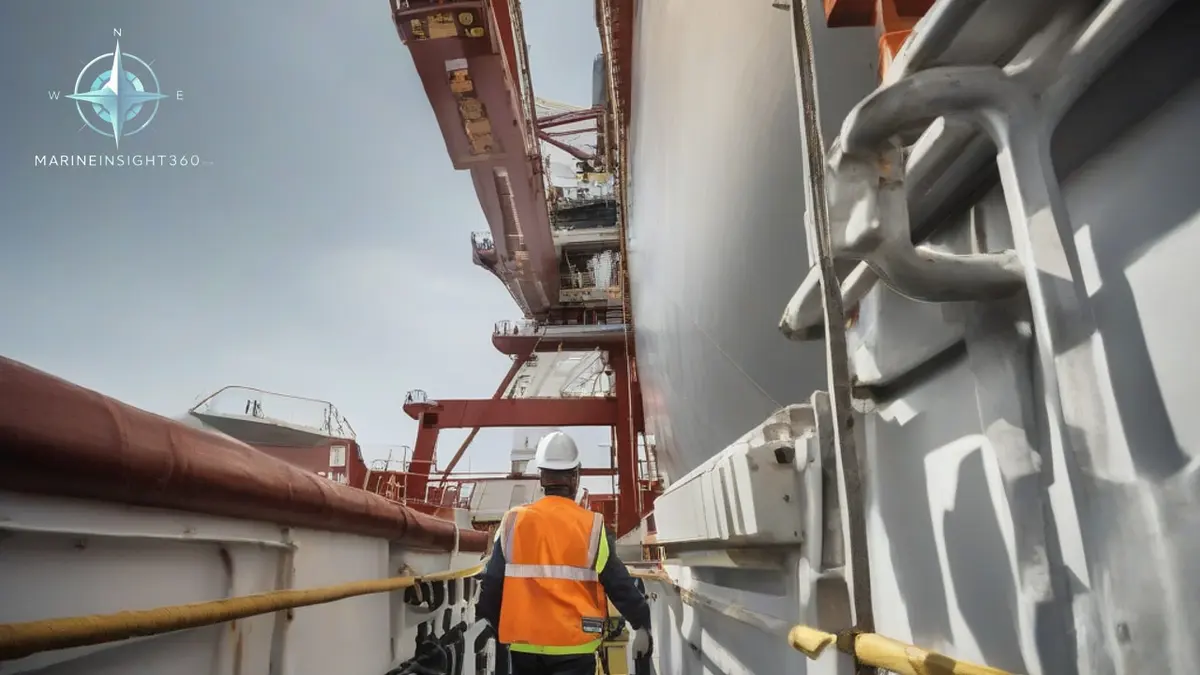
A gangway is the walkway that connects a ship to the shore, the bridge every person crosses to board or leave a vessel. The word is older than English shipping itself, built from the Old English gang, meaning a path or the act of going. Simple as it looks, this is one of the most regulated pieces of equipment on a ship, because it is where the sea trade meets solid ground.
Fall between a moving ship and a concrete quay and the water below is the least of the danger. That is why the humble boarding ramp gets survey attention worthy of an engine part.
The Main Types of Shipboard Access
- Accommodation ladder: the ship's own staircase, hinged at the deck edge and lowered alongside the hull, with a platform at the bottom. The standard access on large vessels.
- Gangway proper: a straight bridge of aluminum or steel run from ship to berth, with stanchions and rope or rigid rails, used when the freeboard and the quay line up.
- Shore gangway or brow: supplied by the terminal, common at cruise berths and ferry ramps, where thousands of passengers cross per call.
- Combination rigs: accommodation ladder plus a bridging section, for awkward tide ranges and high freeboards.
- Pilot ladder: not a gangway at all, the rope ladder pilots climb at sea, governed by its own strict rules.
The Safety Rules Around One Walkway
International conventions and port regulations in the United States and United Kingdom agree on the essentials. The access must be rigged safely, lit at night, and adjusted as the tide moves the ship. A safety net spans the gap beneath, so a stumble cannot become a fall between hull and quay. A lifebuoy with a line stands ready at the top.
Angles matter too: rig the ramp too steep as the tide drops, and it becomes a slide; surveyors and port state inspectors genuinely check this. Crews tend the rig every watch, because a berth is never still.
The Gangway Watch
On most working ships, a crew member stands duty at the head of the walkway around the clock in port. The watchkeeper logs everyone on and off, checks identification against the visitor list, keeps stowaways and unauthorized visitors ashore, and knows exactly who is aboard if the general alarm sounds. Since the ISPS security code, this duty is a formal security function, not a courtesy. The gangway log is often the single most accurate record of a port call.
A Word That Sailed Into Everyday English
The exclamation gangway, meaning clear the path, came straight off ships, where the call warned crew to clear the boarding route for an officer or a loaded hand truck. Railways and theaters borrowed the word for their own aisles. At sea it stays literal: when the master orders the gangway rigged, a specific, inspected, regulated piece of gear goes over the side, and the ship is officially open to the shore.
The Rigging Checklist Officers Actually Use
Before the walkway opens for traffic, the duty officer works through the same short list in every port. The angle sits within the maker's limit, because steps designed for a slope become a ramp of ice in winter rain. The safety net spreads the full length of the gap with no sag against the hull. Both ends are secured, and the lower platform actually rests where the tide will keep it resting for the next hour, not just this minute.
Lighting works before dark, not after. The lifebuoy and heaving line hang at the head, knots checked. Treads are clear of grease, snow and cargo dust. None of this is exotic, which is the point: access accidents are almost always a skipped basic, and the checklist exists because every line on it once had a name attached.
Quick Answers
- Is a gangway the same as an accommodation ladder? Strictly no: the ladder runs along the hull, the gangway bridges to shore, though crews use the words loosely.
- Who provides it, ship or port? Either, depending on the berth; cruise terminals usually provide shore brows, cargo ships usually rig their own.
- Why is there a net underneath? To catch a person or dropped gear before they fall between the hull and the quay, the most dangerous gap in the port.
- What is a gangway watch? The crew member controlling access at the top, logging everyone on and off as a security duty.
What to do next
Shipboard access is one corner of daily operations, and these guides cover more:
Recommended Reading

Marine Scrubbers: Types, How They Work and Where the Rules Are Tightening
How marine scrubbers strip sulfur from ship exhaust, the difference between open-loop, closed-loop and hybrid systems, and where washwater discharge is banned.
Poop Deck: What It Is and Why It's Really Called That
The poop deck is the raised deck at a ship's stern, and the name comes from Latin, not plumbing. What it did, where the word came from, and where it went.

Ship Decks: Every Type, What It Does, and the Equipment It Carries
What ship decks are, from tank top to bridge: the main deck types, how they are numbered, and the windlasses, winches, cranes and hatches that work on them.