
What Is a Seaman Book? The Seafarer's Discharge Book Explained
What a seaman book is: the discharge book that records a seafarer's sea service, who issues it, what it proves, and how to keep it accurate.
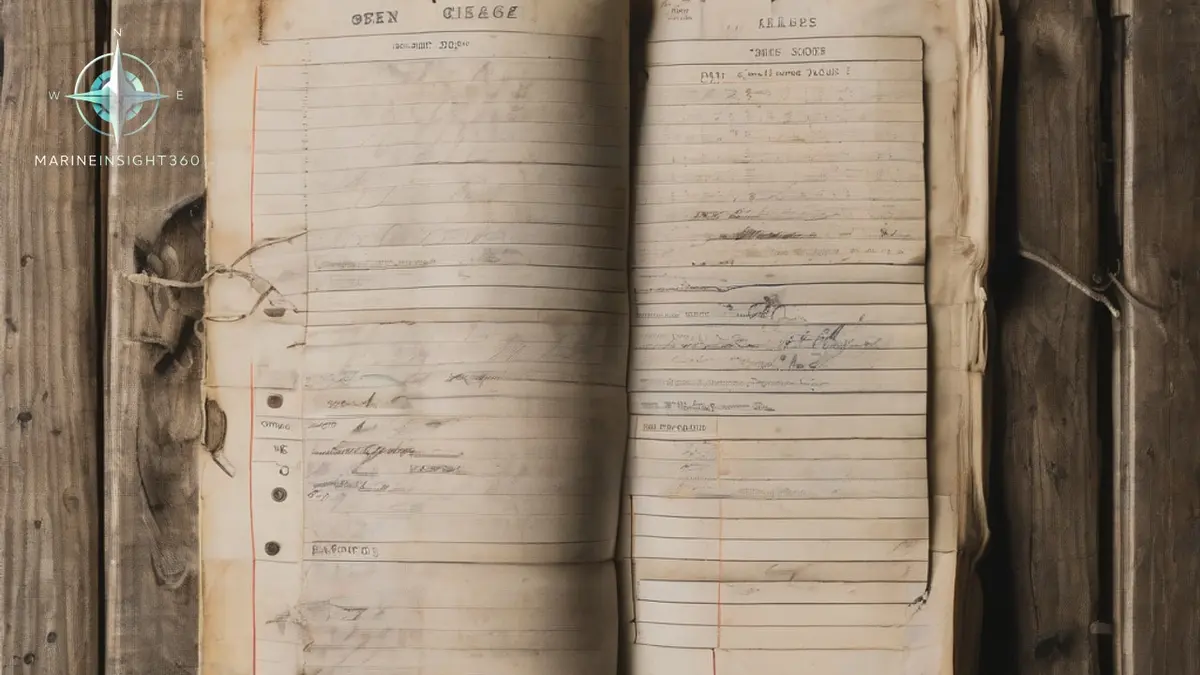
A seaman book, formally a seafarer's discharge book or seaman's service book, is the official record of a mariner's sea service. It lists the ships served, the rank held and the dates of each engagement. A national maritime administration issues it, the UK MCA for example, and it looks and feels like a passport. Across the industry it is treated as the running record of a seagoing career.
Without one, or its national equivalent, proving sea time for jobs and STCW certificates turns into a paper chase.
What a seaman book records
Every signed voyage adds an entry. A typical page records:
- The vessel's name, flag, official number and often its gross tonnage.
- The capacity in which the seafarer served, such as able seaman, third engineer or chief officer.
- The dates and places of engagement and discharge.
- The master's signature and the ship's stamp confirming the entry, and in some national formats a note on conduct and ability.
The point of all this is proof of sea service. Certificates of Competency (CoC), the licenses that qualify officers under the STCW convention, the international standard for seafarer training and certification, require documented sea time to obtain, upgrade and revalidate. The discharge book is the primary evidence, and employers, manning agents and administrations all read it the same way: as the verified history of where you have actually been.
Who issues seaman books and how to get one
Flag and national administrations issue them, each with its own name and format. The UK Maritime and Coastguard Agency issues the British discharge book for Merchant Navy service. Registries such as the Isle of Man issue their own discharge books and records of sea service for seafarers on their flag. Yacht crew often obtain a discharge book through the flag state of the vessels they work on, and professional bodies in that sector publish guidance on which books are accepted.
Application requirements vary by country, but the pattern is consistent: proof of identity, evidence of employment or an offer of employment at sea, and in many cases a link to the flag through the employing vessel. The United States is the notable exception in style: the US Coast Guard issues a Merchant Mariner Credential instead, and American sea service is usually proved with sea service letters from employers rather than a stamped book.
What a seaman book is not
Confusion around the document usually comes from expecting it to be something else. Three distinctions matter.
It is not a passport. Despite the format, most administrations state plainly that the discharge book is not a travel document or general proof of identity. Crew still need a passport and, for many countries, crew visas to join or leave a ship abroad.
It is not a qualification. The book proves service; the Certificate of Competency and STCW course certificates prove competence. Both are checked at sign-on, and one never substitutes for the other.
It is not the Seafarer's Identity Document. The SID is a separate biometric identity credential under an International Labour Organization convention, issued by some countries to ease shore leave and transit. A discharge book records service; a SID certifies identity.
Keeping your sea service record clean
Experienced crew treat the book with the same care as a passport, because replacing entries is far harder than making them. Practical habits that save trouble later:
- Have the master sign and stamp your entry before you leave the gangway on discharge, not by post afterwards.
- Check that dates match your contract and payroll records, since administrations compare them when you apply for a certificate.
- Collect sea service testimonials or letters from the company as backup evidence, especially for time on flags that do not use discharge books.
- Report a lost or damaged book to the issuing authority promptly and keep photocopies or scans of every completed page.
- Watch for full pages and apply for a new book before a contract, not during one.
A gap or an unsigned entry can stall a CoC application for months, which is the practical reason the battered little book gets guarded so carefully. For guidance on certificates, sea time requirements and career progression routes, see the Merchant Navy Careers section on Marine Insight 360.
Applications stall on paperwork far more often than on sea time. An entry without the master's stamp is rejected outright. An entry that omits gross tonnage or propulsion power leaves the assessor unable to decide whether the service counts toward an unlimited certificate, so it is queried, and the query costs weeks. A book damaged by water fails in the same way.
At the gangway an inspector opens certificates rather than the service book. Port state control officers compare certificates for the master and officers against the crew list and the minimum safe manning document, and a lapsed or mismatched certificate is recorded as a deficiency. Where the shortfall touches watchkeeping competence, the ship can be held until a relief joins.
Sources and further reading
- Isle of Man Ship Registry: Record of Sea Service and Discharge Books
- PYA: Seaman Discharge Book and others
- Marine Accounts: What is a Seaman's Discharge Book?
What to read next
Recommended Reading
What Is a Seaman's Book? Discharge Book and Seafarer ID Explained
A seaman's book records your sea service and identifies you as a seafarer. What it contains, how the ILO 185 seafarer ID differs, and how flag states issue it.

What is Seaman’s Service Book?
What is Seaman’s Service Book?: ports, trade and shipping-market context for US, UK, Canada, Australia, Singapore and European maritime readers.

Maintenance and Cure: What an Injured Seaman Is Owed
Maintenance and cure is a shipowner's no fault duty to an injured seaman. What it pays, when it ends, the defenses raised and how MLC 2006 compares.