
What Is Maritime Resource Management (MRM)?
What Is Maritime Resource Management (MRM)?: safety, training and compliance context for US, UK, Canada, Australia, Singapore and European maritime...
Direct answer
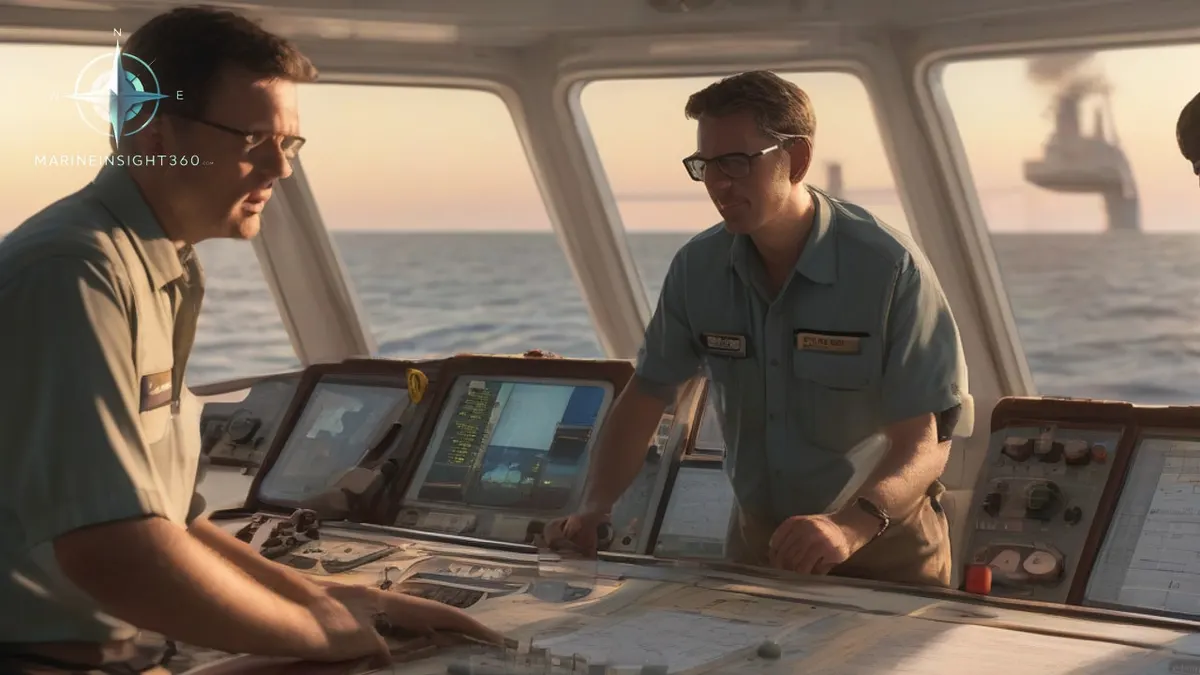
Maritime Resource Management (MRM) is a structured training and operational philosophy that improves safety at sea by enhancing teamwork, communication, decision‑making, and leadership among shipboard personnel.
What most people miss
MRM is not limited to bridge operations; it is also applied in engine rooms, emergency drills and pilotage, and is a required element of many maritime academies’ officer certification programs.
Common mistakes
- Relying on a rigid hierarchy that silences junior input.
- Ignoring the importance of structured, clear communication between bridge, engine room, pilots and shore authorities.
- Neglecting situational awareness of vessel position, traffic, weather and equipment status.
- Failing to manage workload, leading to fatigue and overload.
- Making decisions without quickly assessing risks and evaluating alternatives.
Checklist for implementing MRM
- Communication: Establish clear, structured channels between all teams.
- Leadership & teamwork: Encourage open dialogue and shared responsibility.
- Situational awareness: Maintain constant monitoring of position, traffic, weather, and equipment.
- Decision‑making: Train officers to assess risks and choose alternatives under pressure.
- Workload management: Use proper watchkeeping, delegate tasks, and avoid overload.
- Regulatory alignment: Ensure training meets IMO STCW standards.
When this doesn’t apply
MRM is most effective on vessels where crew are trained under STCW and where structured communication and resource management are feasible. If a vessel lacks formal MRM training or does not fall under STCW requirements, the full benefits may not be realized.
Career planning context
For cadets, ratings and officers, maritime resource management should be read alongside current company requirements, flag-state rules, medical fitness standards and training-provider instructions. The pathway can change by country, rank, vessel type and previous sea service, so candidates should verify documents before paying fees or accepting a joining offer.
What to verify next
- Check whether maritime resource management affects safety, commercial planning, crew training, documentation or compliance.
- Confirm the latest company procedure, manual, port instruction or training requirement before acting.
- Link this page with one related article or knowledge-base topic so readers can continue their research naturally.
Related maritime context
maritime resource management should not be treated as a standalone idea. In real maritime work, it usually connects with vessel preparation, crew competence, handover quality, equipment condition, route planning, port coordination or company documentation. That wider context is why readers should compare the article with related guides before making a decision.
When the subject touches safety or compliance, the next step is to confirm who owns the action onboard and what evidence must be recorded. This keeps the article useful for learning while avoiding shortcuts that could create operational risk.
Recommended Reading
Safety Management System (SMS): The Rulebook Every Ship Runs On
What a safety management system is in shipping: the ISM Code framework of procedures, drills, audits and the DPA that turns safety from intention into system.
Why Predictive Maintenance Is Becoming the Future of Ship Management
Discover how predictive maintenance is helping shipowners reduce breakdowns, improve safety, lower maintenance costs, and increase vessel reliability.
Commercial Port Security Management
Commercial Port Security Management: ports, trade and shipping-market context for US, UK, Canada, Australia, Singapore and European maritime readers.