
When Was America Discovered? A Maritime Timeline From First Peoples to Columbus
America was reached by sea several times: Norse crews by AD 1021 and Columbus in 1492. A maritime timeline of who arrived, when and how they navigated.
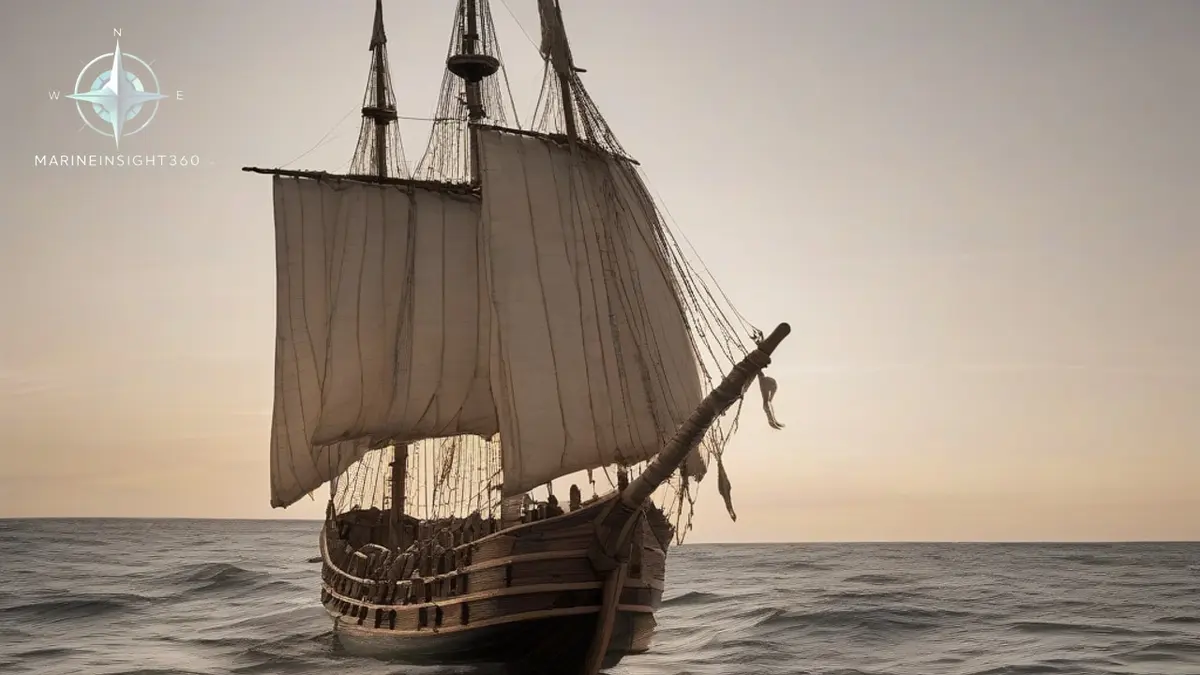
When was America discovered? There is no single date for the United States or the Americas, because it happened at least three separate times. The first peoples arrived from Asia at least 15,000 years ago. Norse seafarers were living at L'Anse aux Meadows in Newfoundland by AD 1021. Christopher Columbus reached the Bahamas on 12 October 1492, and the first documented European landing on the future US mainland came in 1513, when Juan Ponce de Leon reached Florida.
When the US was discovered: three answers to one question
Which date you choose depends on the question you are really asking. If it is when humans first reached the Americas, the answer is measured in millennia. If it is when Europeans first crossed the Atlantic, the archaeology now points to Norse crews a thousand years ago. If it is when sustained contact began, the honest answer is 1492, since the crossings Columbus started never stopped.
The first arrivals came by land bridge and coast
During the last ice age, lower sea levels exposed Beringia, a land connection between Siberia and Alaska. People moved across it, and along its shores, at least 15,000 years ago. Archaeologists continue to debate earlier dates as new sites are studied, but no serious account puts first arrival later than that. These were the true discoverers of the continent, and their descendants had settled every coast the later voyagers reached.
Norse voyages: Europeans in Newfoundland by AD 1021
The Icelandic sagas describe voyages led by Leif Erikson around AD 1000, sailing from Greenland to a land they called Vinland. Archaeology backs them up. At L'Anse aux Meadows, on the northern tip of Newfoundland, the remains of a Norse settlement have been excavated since the site was identified in 1960.
In 2021, researchers writing in the journal Nature dated worked wood from the site to exactly AD 1021, using a solar storm of AD 993 as a fixed marker in the tree rings.
The seamanship deserves respect. Norse knarrs were open cargo vessels under a single square sail, making ocean passages from Norway to Iceland, Greenland and Newfoundland without compass or chart, navigating by sun, stars, seabirds and known landmarks.
Columbus in 1492 landed in the Bahamas, not the US
Columbus departed Palos in Spain on 3 August 1492 with the Nina, the Pinta and the Santa Maria, and made landfall on 12 October on a Bahamian island he named San Salvador. Across four voyages he explored the Caribbean and touched Central and South America, yet he never set foot on land that is now part of the United States.
What made 1492 the hinge of history was not where he landed but what followed: continuous crossings, charted routes and permanent contact between the hemispheres.
Who reached the future United States first
John Cabot, sailing from Bristol under the English flag, made a North American landfall in 1497, generally placed in or near Newfoundland, which is Canadian territory today. For the land that became the United States, the first documented European arrival is Juan Ponce de Leon's landing in Florida in 1513. Spanish expeditions followed along the Gulf coast, and in 1565 they founded St. Augustine, the oldest continuously occupied European settlement in the country.
What these crossings say about navigation
Each discovery reflects the navigation of its era. The first peoples moved by land and along coasts over generations. The Norse ran latitude and landmark passages in stages, island to island across the North Atlantic. Columbus applied dead reckoning on a scale nobody had attempted, running south to the Canary Islands to pick up the northeast trade winds, then returning home on the westerlies further north.
That wind circuit became the standard Atlantic routing for sailing ships for the next three centuries, which is why 1492 matters to mariners regardless of who arrived first. The Knowledge Base on Marine Insight 360 covers the history of navigation techniques, from dead reckoning to satellite positioning, for readers who want the longer story.
The waters those crossings used are governed now. Transport Canada regulates shipping through the Davis Strait and along the Labrador coast, where the drift ice the sagas describe still closes the route for part of the year. The navigation survives too, since the MCA and AMSA examine candidates for a deck certificate on latitude by observation and on a position worked up from course, speed and time.
What went wrong on these passages is instructive. Norse sources have a word for it, hafvilla, the state of a crew that has lost the sun and the coast and no longer knows where it is. Of the twenty-five ships that sailed with Erik the Red to settle Greenland, fourteen arrived. Columbus lost the Santa Maria on a reef and ended his last voyage with two hulls eaten through by shipworm.
Sources and further reading
- Evidence for European presence in the Americas in AD 1021 - Nature
- A Saga of Discovery - Parks Canada, L'Anse aux Meadows
- Vikings landed in North America more than 470 years before Columbus - CBS News
What to read next
Recommended Reading
When Were Boats Invented? A Timeline From the First Dugout to the First Sail
The oldest boat ever found is about 10,000 years old, and humans were crossing open water long before that. The real timeline of when boats were invented.
When Was America Discovered? The Sea Voyages That Reached It First
America was reached by sea around AD 1000 by Norse crews and in 1492 by Columbus. The ships, navigation and wind systems behind both crossings.
When Did Christopher Columbus Discover America?
Columbus Day sparked widespread controversy, and the celebration of Columbus's assassination was eventually replaced by Indigenous Peoples Day, which is…