Russia Arms LNG Carrier in Baltic Amid Rising Tensions
Russia's Militarization of Merchant Vessels Russia has armed a civilian gas tanker with heavy machine guns in the Baltic Sea, according to an investigation by the...
Russia's Militarization of Merchant Vessels
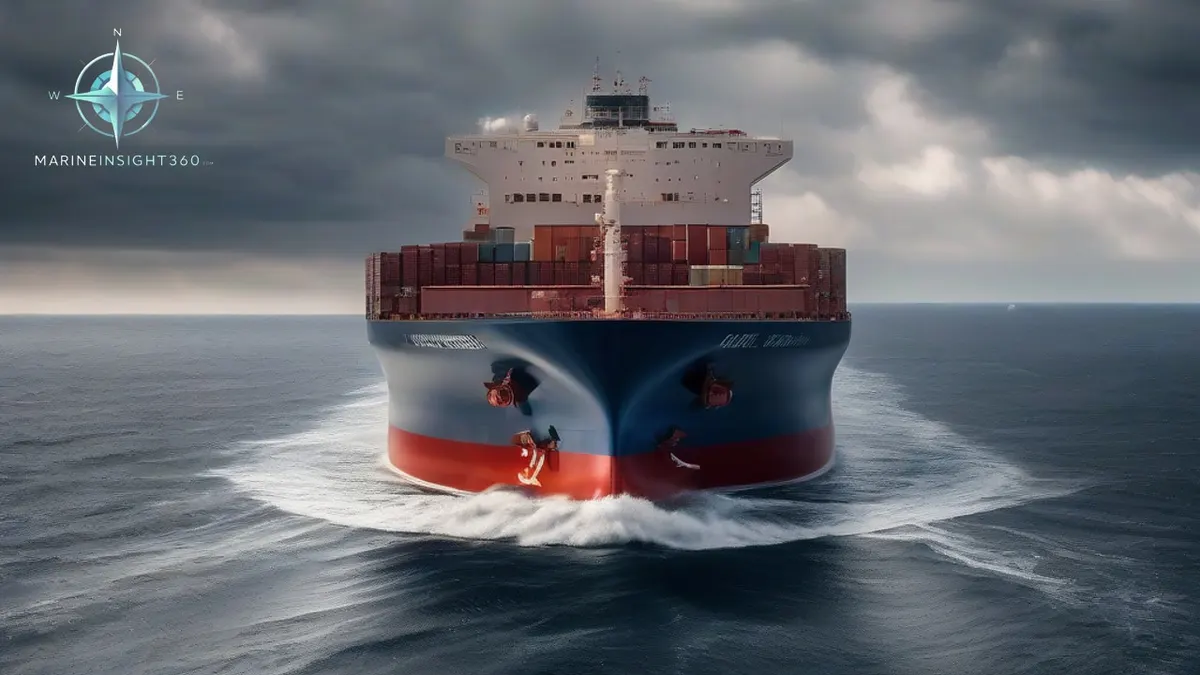
Russia has armed a civilian gas tanker with heavy machine guns in the Baltic Sea, according to an investigation by the Organized Crime and Corruption Reporting Project and several European media partners, including Splash247. This move appears to be an unprecedented militarization of a merchant vessel operating on a regular commercial route.
Surveillance photographs taken by Estonia’s border authorities show the armed LNG carrier, as reported by gCaptain. The photographs suggest that Russia is taking steps to protect its energy vessels amid rising tensions with NATO.
Impact on Global Energy Prices
European wholesale natural gas prices rose nearly 1% on Monday morning, driven by renewed geopolitical risk in the Middle East and concerns over potential disruptions to global liquefied natural gas shipping corridors, as reported by Hellenic Shipping News. The benchmark Dutch front-month contract climbed 1.6% to 41.38 euros per megawatt-hour.
In the United Kingdom, the British contract similarly gained 1.6%. These price increases indicate that investors are concerned about the potential impact of rising tensions on energy supplies. The situation is being closely monitored by market analysts and industry experts, who are assessing the potential risks and consequences for the global energy market.
Operational Implications for Shipowners and Operators
The militarization of Russian energy vessels raises concerns for shipowners and operators. The presence of heavy machine guns on a civilian gas tanker increases the risk of conflict and potential damage to the vessel, as reported by Splash247. This could lead to increased insurance costs and higher risks for crew members.
Operators may need to reassess their routes and security measures to mitigate these risks. The International Maritime Organization (IMO) and the International Chamber of Shipping (ICS) have guidelines and recommendations for shipowners and operators to ensure the safe operation of vessels in high-risk areas.
Future Developments and Industry Response
The situation in the Baltic Sea and the Middle East will be closely watched by investors and operators. Any further escalation of tensions could lead to higher energy prices and increased risks for shipowners, as reported by Hellenic Shipping News. The reaction of NATO and other countries to Russia's militarization of its energy vessels will also be important to watch.
As the situation develops, operators and investors will need to stay informed about any changes to the security environment and adjust their strategies accordingly. The shipping industry is likely to face increased scrutiny and regulation in the coming months, and shipowners and operators must be prepared to adapt to changing circumstances.
Why an armed gas carrier unsettles the market
Weapons observed on a commercial LNG carrier blur a line the shipping system depends on: merchant vessels trade on the presumption of civilian status, and everything from insurance terms to boarding procedures rests on it. Once that presumption weakens in a region, every operator trading there has to reassess, whatever flag they fly.
The Baltic setting sharpens the concern. It is a confined, heavily trafficked sea where commercial routes, national waters and military activity already sit close together, and where sanctioned trades have made vessel behaviour a subject of intense scrutiny. Unusual equipment on gas tonnage adds one more variable to passage planning, war-risk assessment and port-state attention.
Operator takeaways
The practical responses are familiar: keep war-risk cover and area listings current, brief bridge teams on reporting unusual vessel encounters, and treat intelligence from reputable maritime sources as an input to routing decisions rather than background noise. Escalations of this kind rarely announce their next step, and fleets that track them early adjust with options instead of urgency.
Insurers and flag states will be watching the same reports, and their responses, from revised listings to inspection attention on the trades involved, tend to arrive faster than formal policy. Operators who anticipate that sequence keep their scheduling promises; those who wait for it discover their assumptions repriced mid-voyage.
Why this story matters
Russia Arms LNG Carrier in Baltic Amid Rising Tensions matters because shipping news rarely stays inside one lane. A single development can affect vessel operators, charterers, insurers, port teams, seafarers, equipment suppliers and regulators at the same time.
For readers in the United States, United Kingdom, Europe, Canada, Australia and Singapore, the value is in the practical signal behind the headline: what the development changes, what still needs confirmation and how it may affect decisions across safety, compliance, trade or fleet planning.