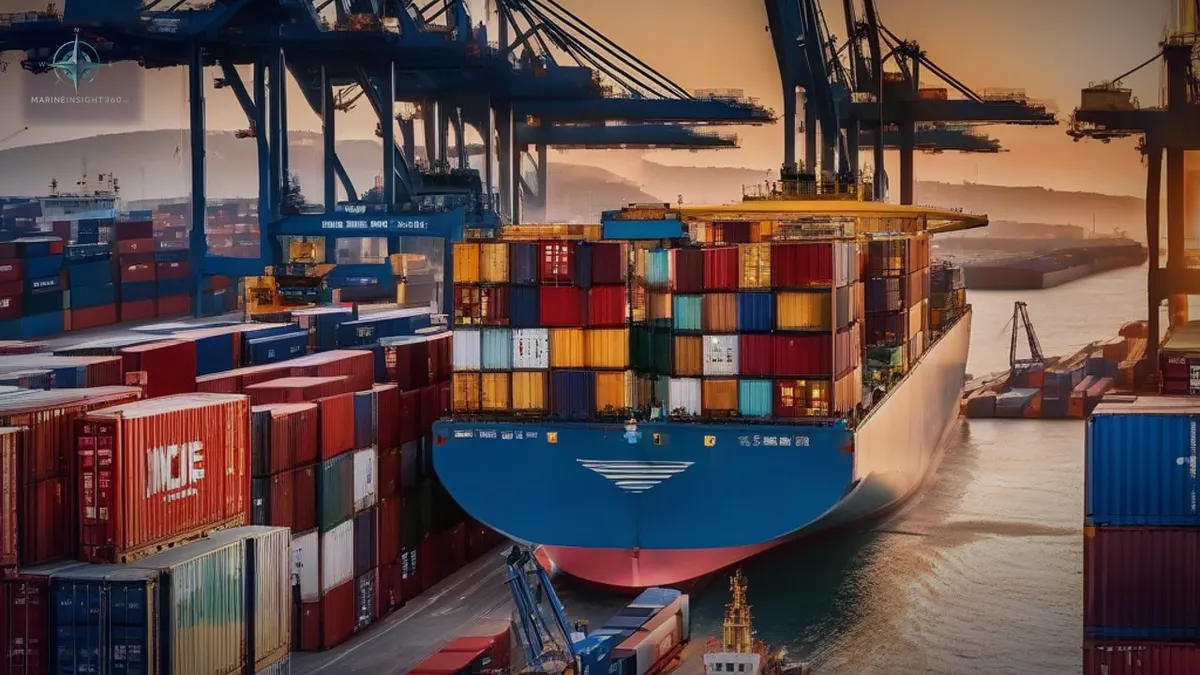
Shipping Markets See Shifts in Container and Freight Sectors
When several markets shift at once Simultaneous movement across container and freight markets usually means a shared driver, and identifying it is the first job
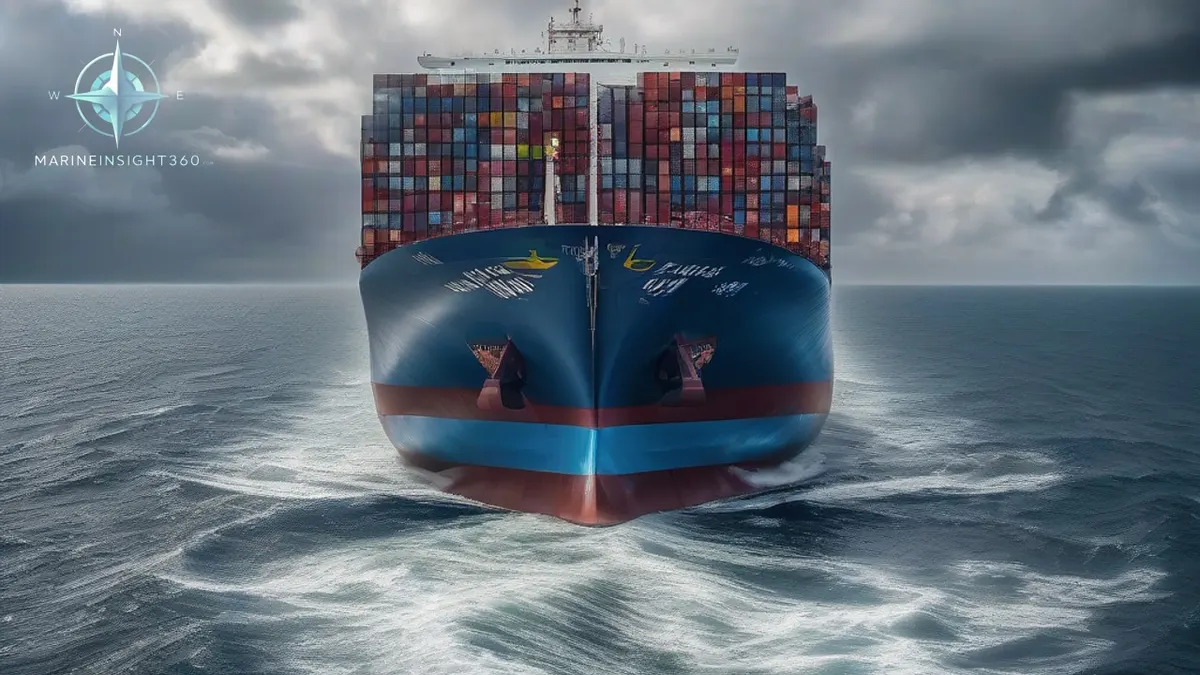
The Current Picture The shipping industry is witnessing notable developments in both the container and freight markets. Icon Energy, a Greek bulker owner listed on Nasdaq, is expanding its operations into container shipping by acquiring a minority stake in a feeder containership (Splash247). This move marks a departure from the company's core dry bulk business. The feeder vessel in question is a 2,000 teu geared ship built in 2008, employed on a long-term charter.
Key facts about Shipping Markets See Shifts in Container and Freight Sectors
What the Data Shows The VLCC orderbook has reached a record high, with 262 very large crude carriers currently on order at shipyards worldwide, according to Clarksons Research (Splash247). This surpasses the ordering frenzy of 2008, which ultimately led to a prolonged collapse in freight rates. In the container shipping sector, the orderbook to fleet ratio has reached a new post-2010 high of 39%, with a total order backlog of 1,630 ships for 13.28m teu, as reported by Linerlytica (Splash247).
What This Means for Operators The surge in VLCC orders may lead to an oversupply of tankers in the market, potentially putting downward pressure on freight rates. This could have implications for operators, who may need to adjust their strategies to remain competitive. In the container shipping sector, the growing orderbook may lead to increased competition and potentially lower charter rates for shipowners. Icon Energy's entry into container shipping may be a strategic move to diversify its business and reduce dependence on the dry bulk market.
What to Watch The containership orderbook is expected to continue growing, with firm projects in both the mid-size and larger segments, according to Linerlytica (Splash247). A number of these projects are expected to be finalized before the summer. The development of the VLCC orderbook will also be closely watched, as it may have significant implications for the tanker market. Icon Energy's performance in the container shipping sector will be of interest, as it seeks to establish itself as a player in this market.
When several markets shift at once
Simultaneous movement across container and freight markets usually means a shared driver, and identifying it is the first job of any reader. Fuel costs, routing disruptions and macro demand touch every segment at once, while segment-specific stories move one market and leave the others alone. The breadth of a shift is itself information.
Cross-market shifts also change relative value. Cargo that can move by more than one mode or routing gets re-priced, chartering decisions in one segment lean on conditions in another, and operators with diversified exposure can rebalance where single-segment players can only endure.
The practical habit these reports reward is keeping a simple map of one's own exposures against each moving market, so that a shift becomes a checklist rather than a surprise: which contracts reprice, which options open, which risks concentrate. Markets move together more often than shipping's segmented reporting suggests, and readers who connect them act earlier.
Why this story matters
Shipping Markets See Shifts in Container and Freight Sectors matters because shipping news rarely stays inside one lane. A single development can affect vessel operators, charterers, insurers, port teams, seafarers, equipment suppliers and regulators at the same time.
For readers in the United States, United Kingdom, Europe, Canada, Australia and Singapore, the value is in the practical signal behind the headline: what the development changes, what still needs confirmation and how it may affect decisions across safety, compliance, trade or fleet planning.