Claims Data Shows That Shipping Has Come a Long Way on Safety
This data indicates that the industry has made progress in reducing accidents and improving overall safety.
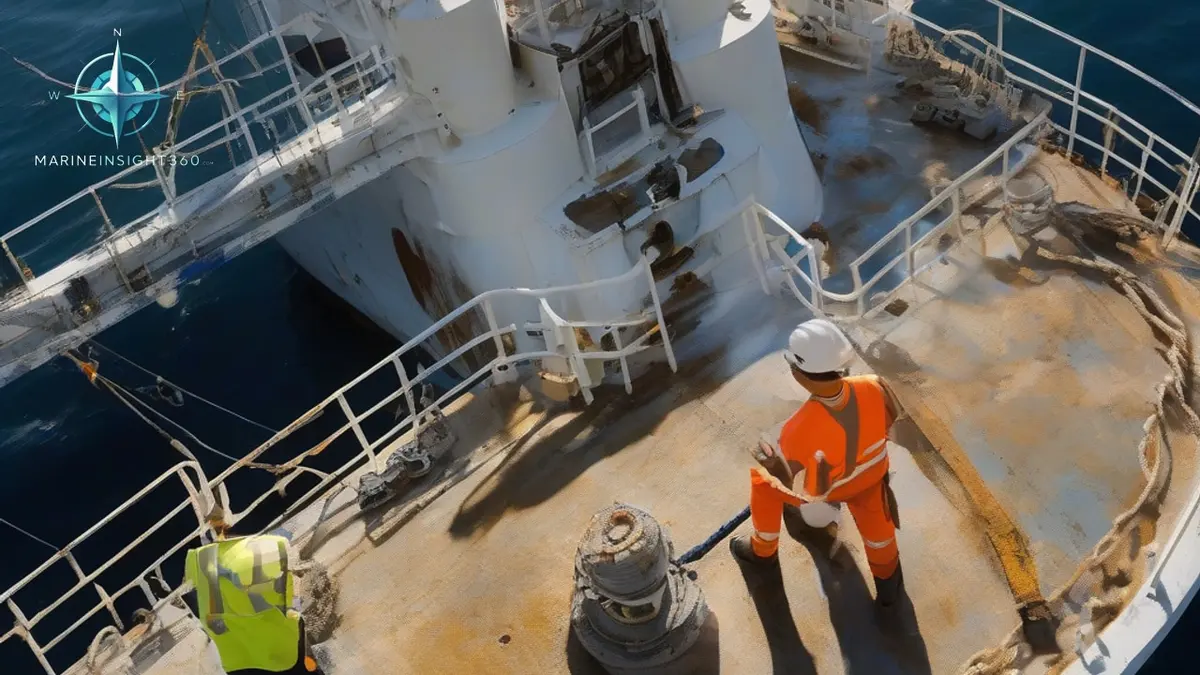
The 2025 claims data shows a positive trend in shipping safety. This data indicates that the industry has made progress in reducing accidents and improving overall safety.
The shipping industry is heavily regulated by organizations such as the International Maritime Organization (IMO) and must comply with safety protocols outlined in the Safety of Life at Sea (SOLAS) convention. These regulations have contributed to the improvement in safety records.
Safety improvements can be attributed to various factors including better crew training and adherence to safety protocols. The use of modern technology such as advanced navigation systems has also played a role in reducing accidents.
The improvement in safety is a result of the collective efforts of shipowners, operators, and regulatory bodies. This progress is evident across different fleet types and trade routes.
The reduction in accidents and claims has a direct impact on the industry's bottom line, as it leads to lower insurance costs and reduced downtime for vessels. This matters to the industry because safer operations ultimately lead to increased efficiency and lower costs for shipowners and operators.
What it means for the major markets
For operators and jobseekers in the US, UK, Europe, Singapore, Canada and Australia, the relevance of this safety story is in the detail behind the headline, what it changes for the trades and rules that market runs on.
What readers should watch
Safety stories need careful reading because early reports can change as investigations, inspections or company reviews progress. Readers should watch for official follow-up, company confirmation and any change in operational guidance before treating early details as final.
Why it's on our radar
Claims Data Shows That Shipping Has Come a Long Way on Safety earns coverage because its effects seldom stop at the headline; safety news like this lands on operators, charterers, insurers and seafarers together.
For readers across the major maritime markets, the value is practical: what shifts, what to verify, and which decisions it touches.
The operational read
For operators, this safety development can touch routing, cost, charter terms and onboard routines. The useful step is to map it to the teams it affects.
Treat the first report as a starting point and verify the specifics against official and company sources.
Keep an eye on
- Whether authorities or companies publish concrete follow-up.
- Any repricing of insurance, freight or compliance cost.
- Spread from a local issue to wider trades and fleets.
- Evidence that confirms, or trims, the early reporting.
So what?
The test for this safety story is simple: does it change a decision? Strip it to the confirmed facts, weigh the impact on safety, cost, schedule or compliance, and route it to whoever needs it. If it changes nothing, it is just context, which is fine too.